
Mercedes breaks electric vehicle records!

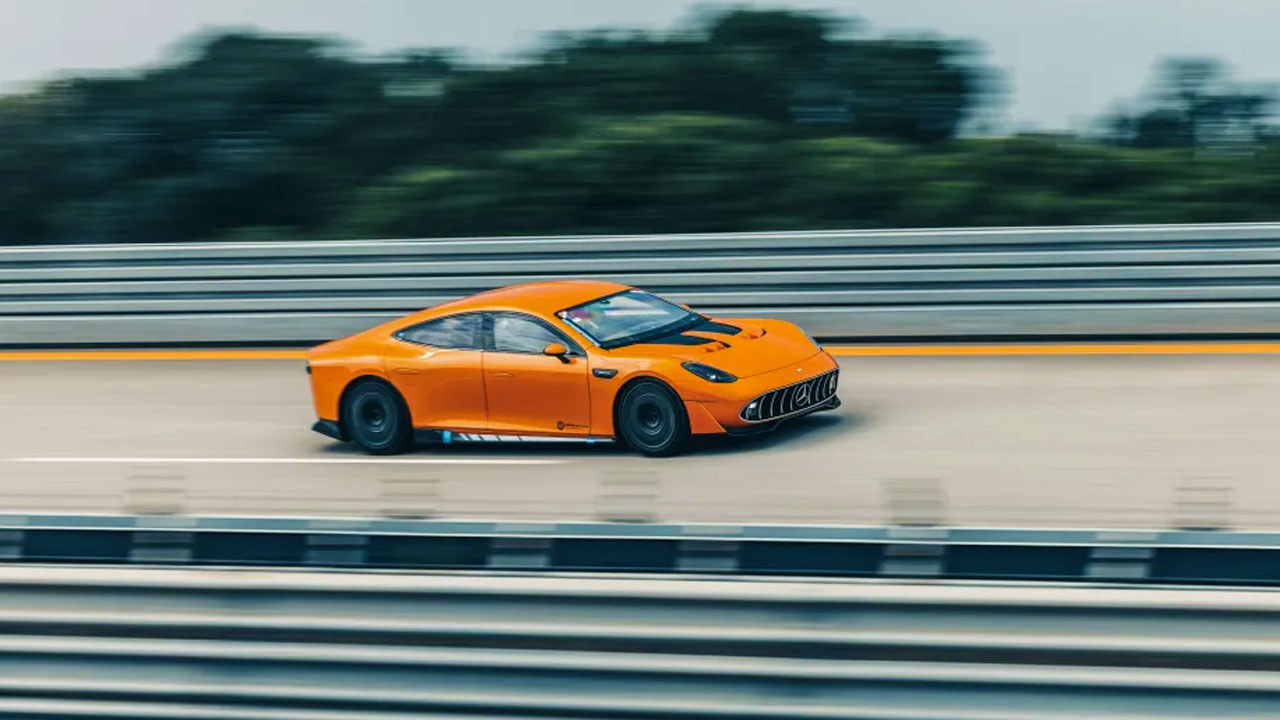
Electric vehicle manufacturers, particularly Chinese companies like Xiaomi and XPeng, are constantly striving to break records. German automaker Mercedes announced today that it has broken electric vehicle records by a large margin. Mercedes took its GT XX concept vehicle to the Nardo high-speed test track in Southern Italy, where it set a series of records for electric vehicles. Here are the details.
Mercedes GT XX charges 400 km of range in 5 minutes
Unveiled in June, the 1,360-horsepower, four-door electric concept vehicle GT XX uses two axial flux motors and a 114 kWh battery. The vehicle, capable of reaching a top speed of 359 km/h (223 mph), supports 850 kW of continuous charging power. This means it can add approximately 400 kilometers of range in 5 minutes, according to the WLTP standard.
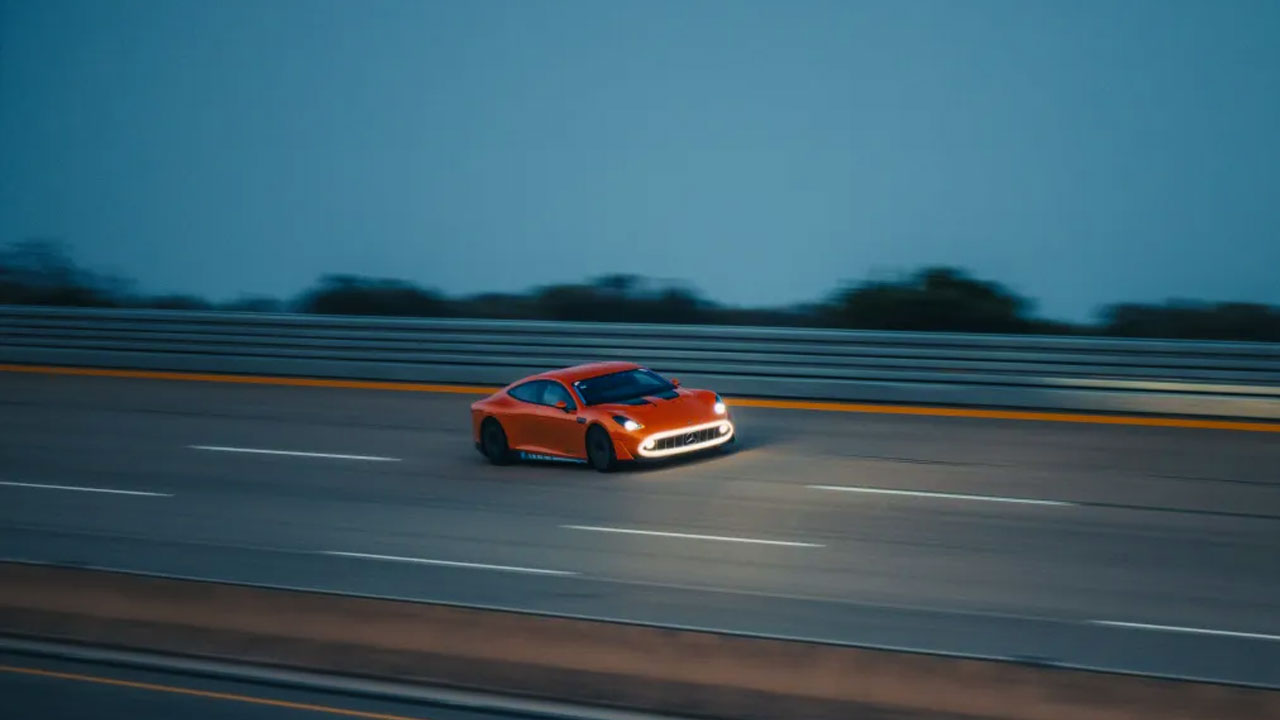
Mercedes tested the car’s performance in high-speed, non-stop driving conditions by driving it for 7 days, 13 hours, 23 minutes, and 7.10 seconds, surpassing records recently set by brands like XPeng and Xiaomi, as well as Mercedes’ own CLA.
XPeng set a 24-hour record of 3,961 kilometers with its P7 model. Mercedes, meanwhile, covered 5,479 kilometers with its GT XX concept model in the same 24-hour period, beating the previous record by almost 1,600 kilometers.
The car took just over seven days to travel a distance equivalent to 40,075 km (24,901 miles) around the Earth. In total, it completed 3,177 laps of the 12.5 km track. Mercedes aimed to complete this journey in less than eight days, a tribute to Jules Verne’s book “Around the World in Eighty Days.”
In fact, Mercedes used two different vehicles for this test, both of which completed the same challenging test. The distance covered by both vehicles was similar, with a difference of only 25 km. To find the best balance between energy efficiency and fast charging during the test, Mercedes engineers aimed to drive the vehicle at a constant speed of 300 km/h (186 mph). This resulted in an average daily travel of 5,300 km (3,293 miles).
Mercedes has not released statistics on how much charging was done or how much energy was consumed, but it is clear that the energy consumed during this high-speed track test was significantly higher than during normal driving. Despite this, the vehicles successfully met the challenge.
Your comment has been submitted,
it will be published after approval.