
Tesla Master Plan 4 trades substance for AI buzzwords

Tesla Master Plan 4 is less of a plan and more of a PR pitch. Once focused on bold, concrete goals like electric cars and solar power, Tesla now leans into vague promises about AI, humanoid robots, and something called “sustainable abundance.” It’s a shift in tone that reflects not progress but distraction.
Tesla Master Plan 4 abandons real targets
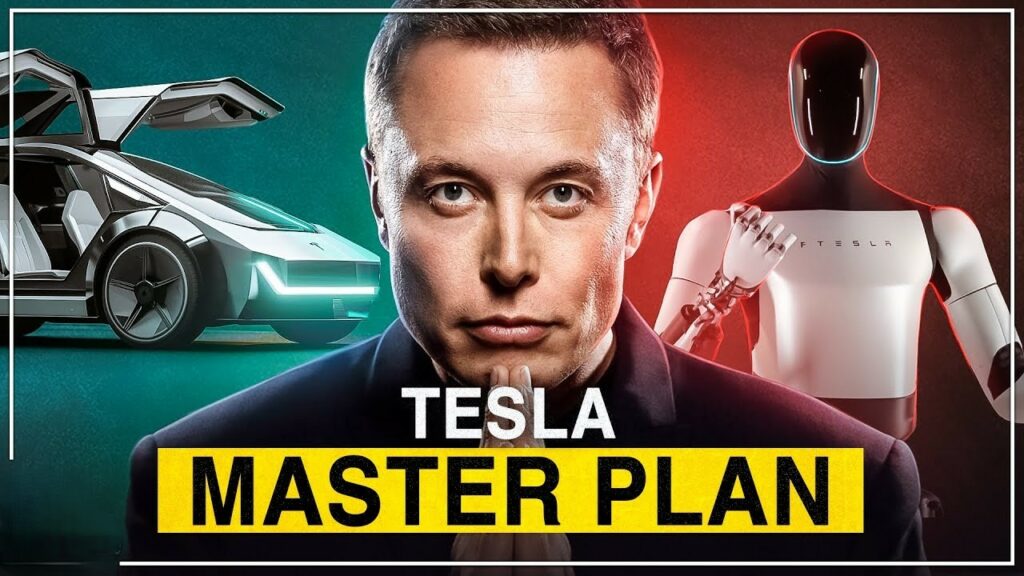
Past Tesla Master Plans set ambitious (if still unmet) goals. Tesla Master Plan 4, by contrast, is light on commitments and heavy on utopian language. Instead of outlining future products or timelines, it rambles about growth, meritocracy, and democratized productivity.
Here’s how the four plans compare:
- Plan 1 (2006): Build EVs and scale them affordably
- Plan 2 (2016): Launch self-driving and truck platforms
- Plan 3 (2023): End global fossil fuel use
- Tesla Master Plan 4 (2024): Promote “infinite growth” through AI
One of these is not like the others.
PowerToys update brings long-missing Windows 11 features
Tesla Master Plan 4 focuses on vague AI futures
Tesla Master Plan 4 suggests AI and robots will unlock limitless opportunities. But its most visible AI product, the Optimus robot, has so far only managed to serve popcorn and needed help doing that.
Tesla’s self-driving cars still don’t drive themselves. The $25,000 “Model 2” was canceled. Solar roofs are quietly sidelined. “Sustainable abundance” might sound promising, but it’s no substitute for functioning products.
What this plan says about the company now
Tesla’s business is cooling. Sales are falling in major markets. Elon Musk is increasingly focused on political causes and other ventures like X and xAI. The latest plan feels more like a distraction from those losses than a solution.
Tesla reflects that shift to less grounded innovation, more glossy projection.
Your comment has been submitted,
it will be published after approval.