
BMW is coming with a new fuel system


BMW has begun prototype production for its next-generation hydrogen fuel cell system. This system, slated for mass production in 2028, offers high efficiency and a long range, thanks to its more compact design.
BMW is working on a hydrogen fuel cell
BMW states that this new system is approximately 25 percent smaller than its predecessor. This reduction is due to increased power density. The company states that the new system will easily integrate into future vehicle architectures, allowing customers to offer a variety of powertrain options.
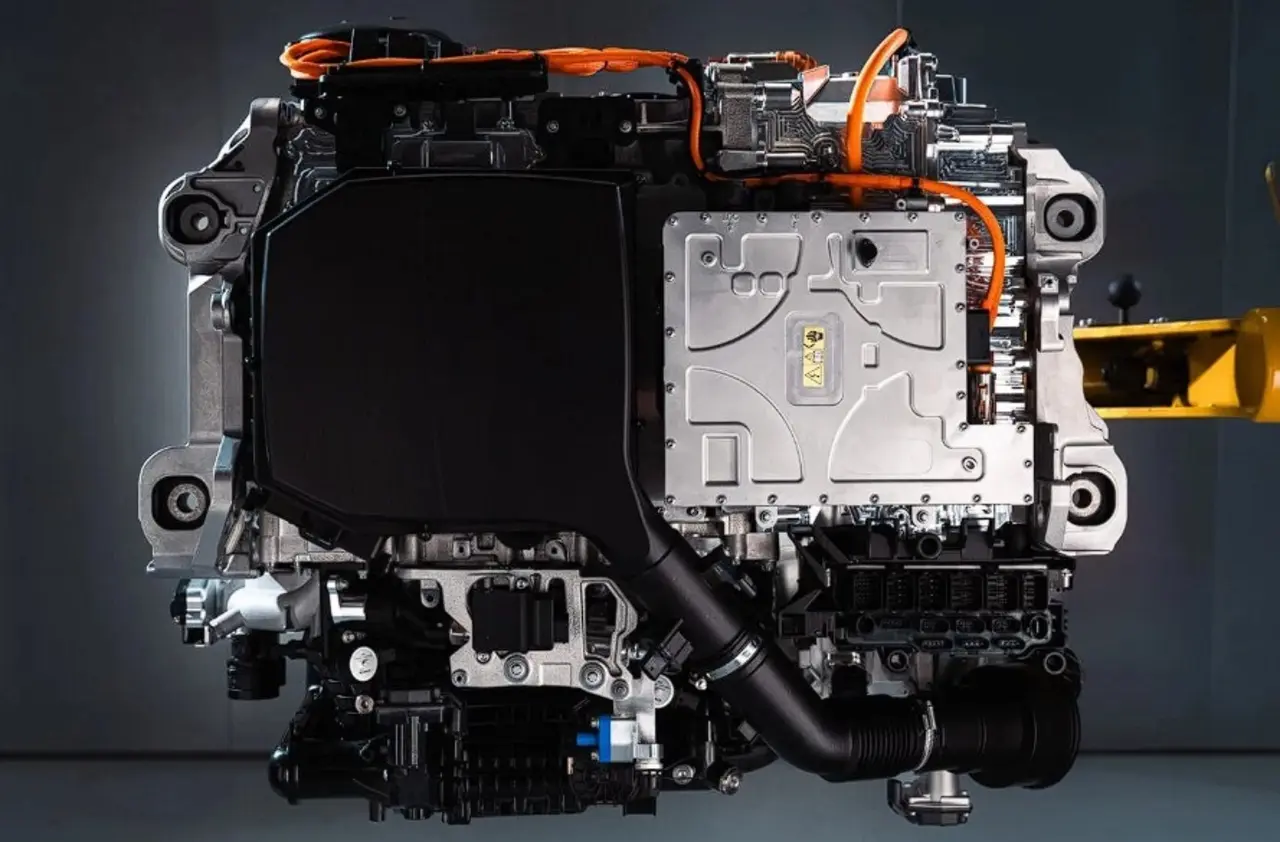
BMW is also working on an in-house developed system called “BMW Energy Master,” which will manage the interface between the battery and other vehicle systems. The Energy Master will be featured in BMW’s first Neue Klasse models, which will begin production this year.
The new system will be more efficient than BMW’s previous system. It promises longer range, higher power, and lower energy consumption.
This work is seen as a continuation of BMW’s collaboration with Toyota, a collaboration that has been ongoing for over a decade. BMW sourced the system entirely from Toyota in its first hydrogen vehicle trial. In the second generation, BMW designed the system itself, while Toyota provided the fuel cells.
The second-generation system has been in use since 2023 in the fleet of fewer than 100 iX5 prototypes. This system produces 396 horsepower and offers a range of 504 kilometers according to WLTP standards. BMW says the new system will exceed this range thanks to increased efficiency.
Your comment has been submitted,
it will be published after approval.