
Huawei Mate 80 series details revealed!

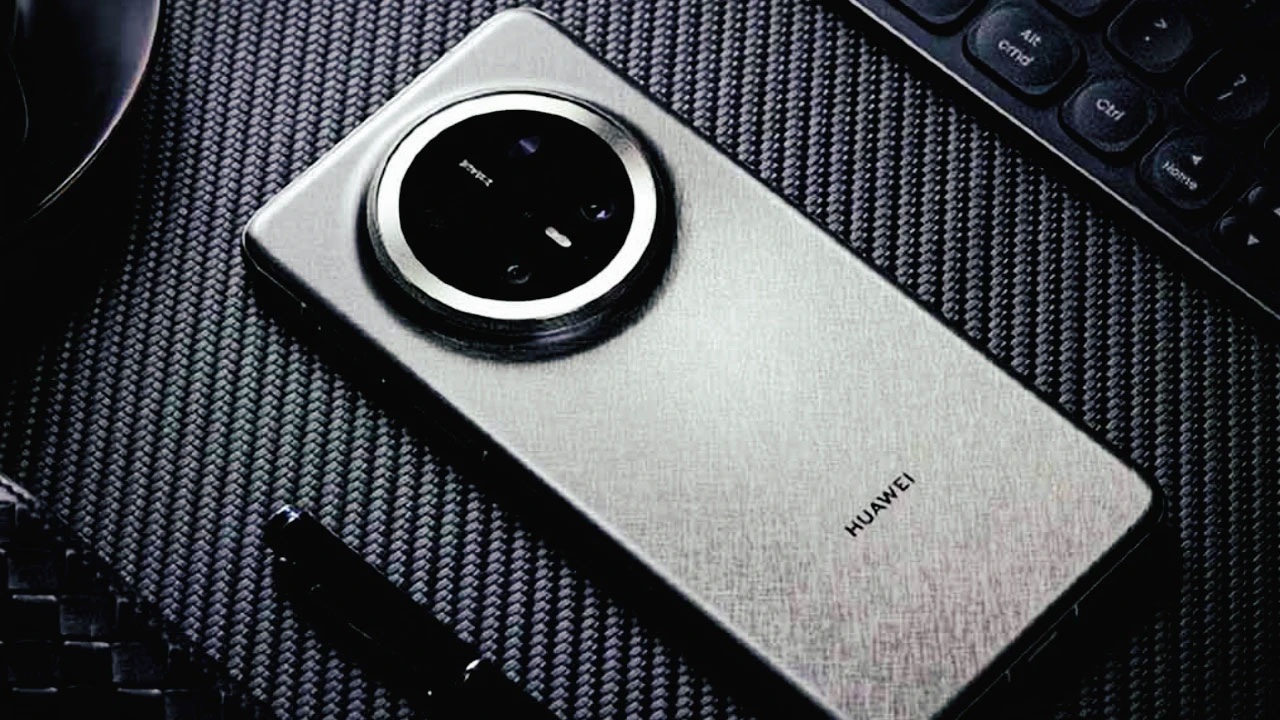
Huawei’s highly anticipated premium smartphone series, the Mate 80, is expected to be unveiled in China in November this year. Reliable leakster Digital Chat Station (DCS) has shared fresh information about the upcoming series, shedding light on key design details, charging capacities, and potential release dates. Here are the details about the Mate 80 series.
Huawei Mate 80 series may come with Kirin 9030
Leader DCS revealed that Huawei has three new models currently in testing, codenamed “Voyager” and “Sagittarius.” The appearance of these models in 3C certification filings has revealed the devices’ charging capabilities. The standard Mate 80, model number VYG-AL00, will support 66W wired charging.
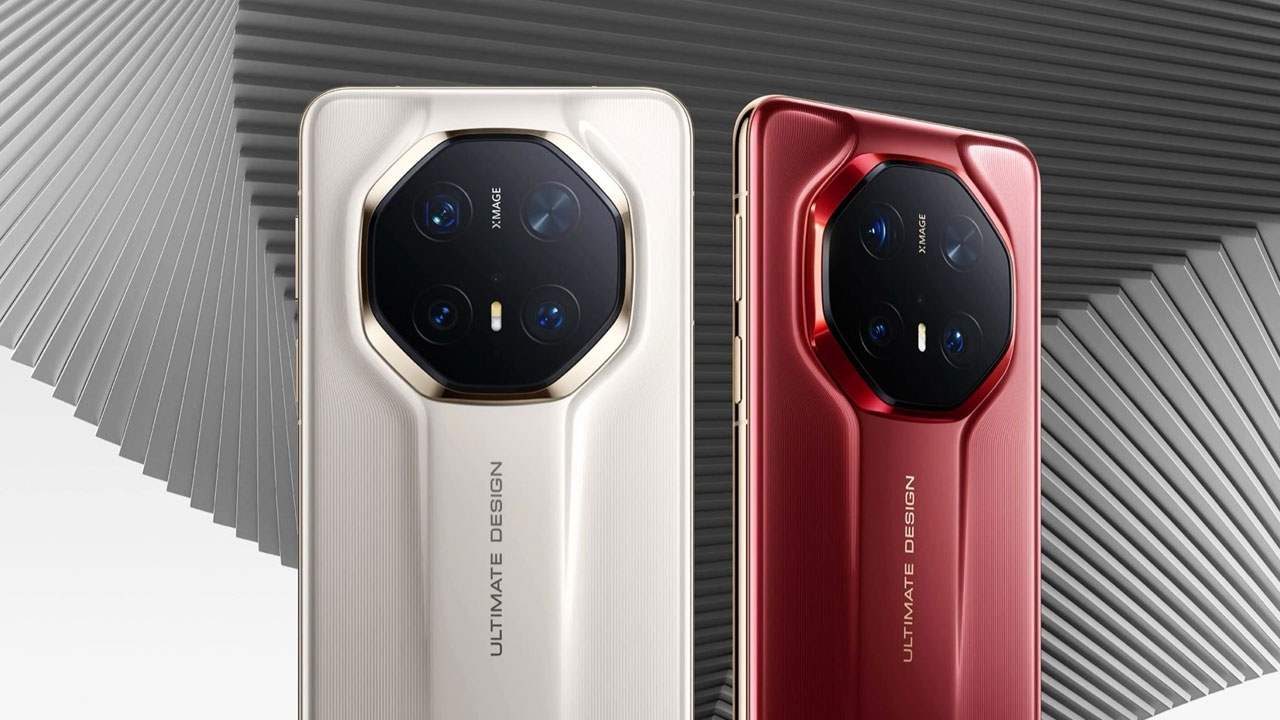
The Mate 80 Pro variants, model numbers SGT-AL00 and SGT-AL50, are listed with a 100W charging adapter, suggesting higher charging speeds at the higher end of the series. DCS reports a noticeable change in the design of the Mate 80 series engineering prototype.
The prototype features a circular camera housing positioned in the center. This design is a significant departure from previous Mate devices. A dual-color-temperature, bar-style flash is located in the upper left corner of the housing. A symmetrical bar-shaped sensor is located in the upper right corner. A multispectral lens is said to be integrated along the central axis, just below the main camera setup.
While a launch date has not yet been officially confirmed by Huawei, DCS indicates that the series is planned for launch around November. Previous reports suggested that the Mate 80 series will consist of four different models: the Mate 80, Mate 80 Pro, Mate 80 Pro+, and Mate 80 RS.
Camera specifications are expected to vary across models:
- Mate 80: 50 MP, 1/1.5-inch main sensor.
- Mate 80 Pro: 50 MP, switching to a larger 1/1.3-inch main sensor.
- Mate 80 Pro+ and Mate 80 RS: Both models are expected to use the larger 50MP 1/1.3-inch SmartSens 590 sensor.
It’s also rumored that the entire Mate 80 series, or the entire lineup except for the standard model, will be powered by the Kirin 9030 chipset.
So, what are your thoughts on this? Share them in the comments.
Your comment has been submitted,
it will be published after approval.