
What is the EPC Light and How Does It Affect Your Vehicle?

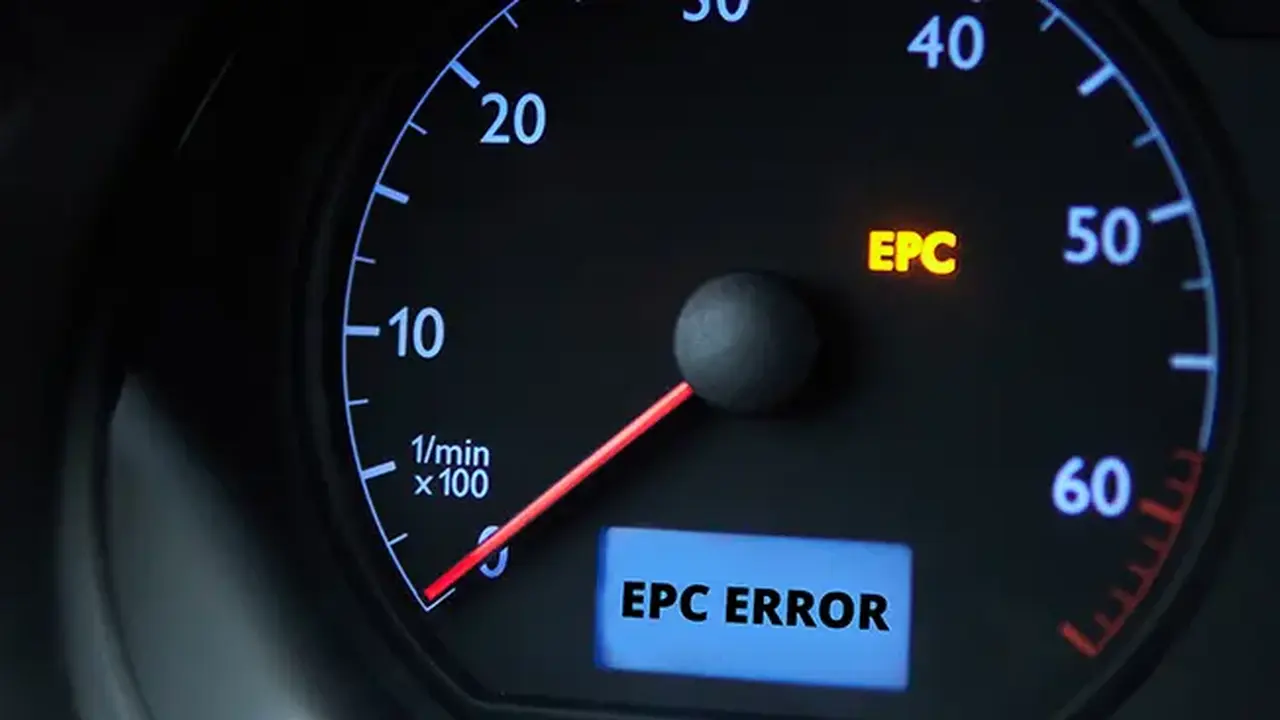
The EPC, or Electronic Power Control, is a critical warning indicator found on the dashboard of many modern vehicles, particularly those manufactured by the Volkswagen Group. When this light illuminates, it signals that the engine management system has detected a malfunction within the electronic communication network that governs power delivery. Essentially, the system acts as a digital bridge between the driver’s input via the accelerator pedal and the physical response of the engine’s throttle and fuel delivery mechanisms. If you see this light while driving, it is vital to understand that the vehicle’s onboard computer has identified a potential performance restriction that requires professional diagnostic attention to prevent further mechanical damage.
- The EPC system manages the vital electronic synchronization between the accelerator pedal, the throttle body, and the engine control unit.
- Illumination of the EPC indicator often leads to reduced engine power, sluggish throttle response, or irregular idle behavior.
- Drivers should utilize an OBD-II diagnostic tool to identify the specific error codes causing the warning light to activate.
The EPC System Oversees Engine Functions
At its core, the EPC system is responsible for the seamless integration of various electronic signals that dictate how your engine performs. By monitoring data from the pedal position sensor, the throttle position sensor, and various intake sensors, the engine control unit calculates the precise power requirements needed for current driving conditions. This automated process ensures that the engine responds precisely to driver intent while maintaining optimal efficiency and emissions standards.
Why the EPC Warning Light Illuminates
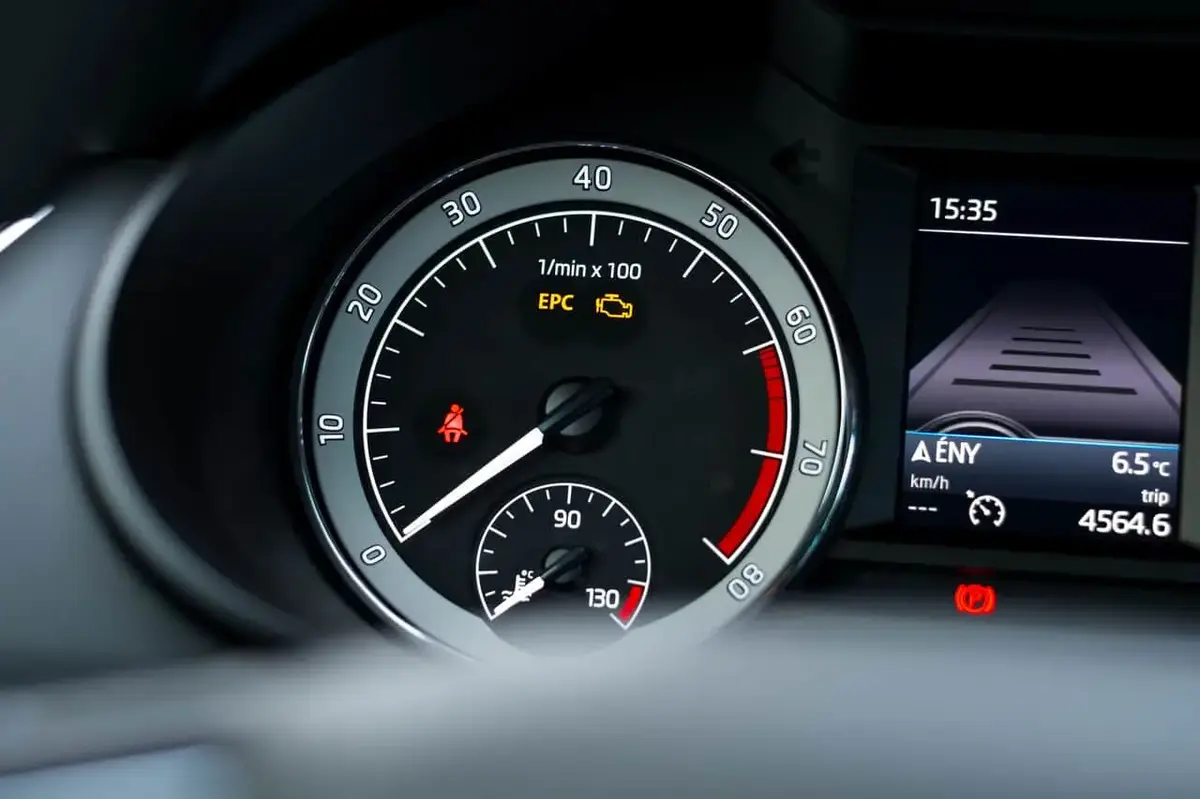
The activation of the EPC light is rarely the result of a single isolated issue. Because the system is interconnected with multiple electronic components, a fault in the throttle body, a faulty brake light switch, or even a simple wiring harness issue can trigger the warning. Modern vehicles are equipped with sensitive feedback loops; if any component in this electronic chain fails to report data within the expected range, the engine management system defaults to a ‘limp mode’ to protect the internal combustion components from potential stress.
Actions Required When the Light Appears
When the EPC indicator appears on your instrument cluster, immediate observation of the vehicle’s behavior is necessary. If you notice significant loss of power, hesitation during acceleration, or the engine stalling, it is imperative to pull over safely and consult a technician. While the vehicle may remain driveable in some instances, continuing to operate it with an active EPC error can lead to a complete system shutdown or catastrophic failure of related components. Always prioritize having the error codes scanned by a certified mechanic to pinpoint the exact root cause, rather than attempting to reset the warning light without professional intervention.
The EPC Malfunction Impacts Performance
Many drivers wonder if the EPC system directly influences overall engine health. Because the system controls the vital electronic throttle, any failure here inevitably affects engine timing, fuel injection volume, and ignition cycles. Consequently, ignoring the warning sign will likely result in degraded fuel economy, rough engine operation, and a noticeable drop in acceleration capabilities. Proper maintenance of the electronic power control system is therefore essential for long-term vehicle reliability and safety.
Have you ever experienced an EPC warning light while driving your vehicle, and what was the specific cause identified by your mechanic? Share your experiences in the comments section below to help other drivers understand how to handle this common automotive issue.
Your comment has been submitted,
it will be published after approval.