
Nintendo Switch 2’s 4K secret revealed


The Nintendo Switch 2 uses two different versions of NVIDIA’s DLSS technology to boost its visual power. Recent analysis by Digital Foundry’s Alex Battaglia revealed that the new console features both a strong and a weak version of DLSS. This explains why the Switch 2 can render some games at 4K resolution, while also providing clues as to why visual inconsistencies can occur during action scenes.
The Nintendo Switch 2 and Two Different DLSS Models
According to Battaglia’s tests, the DLSS used in the Switch 2 has two versions:
- Standard DLSS: The high-quality, resource-intensive version seen on PCs.
- Low-Cost DLSS: A more “smooth” version designed to significantly reduce performance overhead.
- This “economical” model allows developers to reduce the load on the GPU (graphics processor) by half, allowing them to allocate system resources elsewhere. According to calculations, while full DLSS requires 18 milliseconds at 4K, this cheaper model only takes about 9 milliseconds. This is a huge advantage!
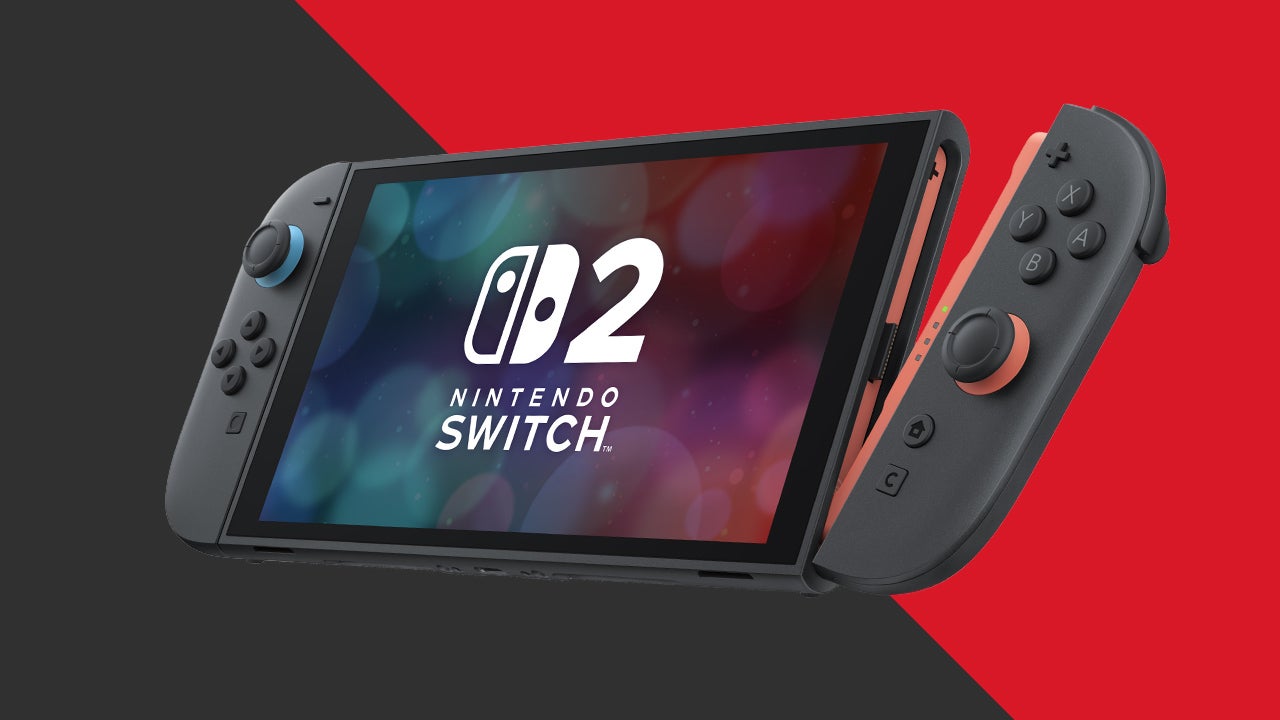
Analysis shows that games that use the lower-cost DLSS (like Hogwarts Legacy and The Touryst) experience visual issues, especially when the console is docked and playing action scenes. Battaglia noted that while the latter model delivers sharp images during still frames, upscaling doesn’t work properly during motion, making the console unsuitable for playing on a TV.
This forces developers to work with lower base resolutions (like 648p in Fast Fusion and 720p in The Touryst) to achieve performance targets. Essentially, the console renders at a lower resolution and then forcibly upscales it to near 4K with “saving” DLSS.
This approach demonstrates a cautious approach Nintendo is taking for its new hybrid system. On the one hand, DLSS technically enables the Switch 2 to achieve its high-resolution targets, especially when connected to a large display. On the other hand, visual inconsistencies in action scenes highlight the challenges Nintendo faces in adapting its high-end PC rendering techniques to a portable device.
Many early-stage and launch titles are believed to rely on this modified version of DLSS to meet ambitious resolution and frame rate targets. The extent to which these visual issues can be addressed through future updates and developer optimizations will be critical to the Switch 2’s long-term success.
Your comment has been submitted,
it will be published after approval.