
The iPhone 17 brings a smile to Samsung’s face!

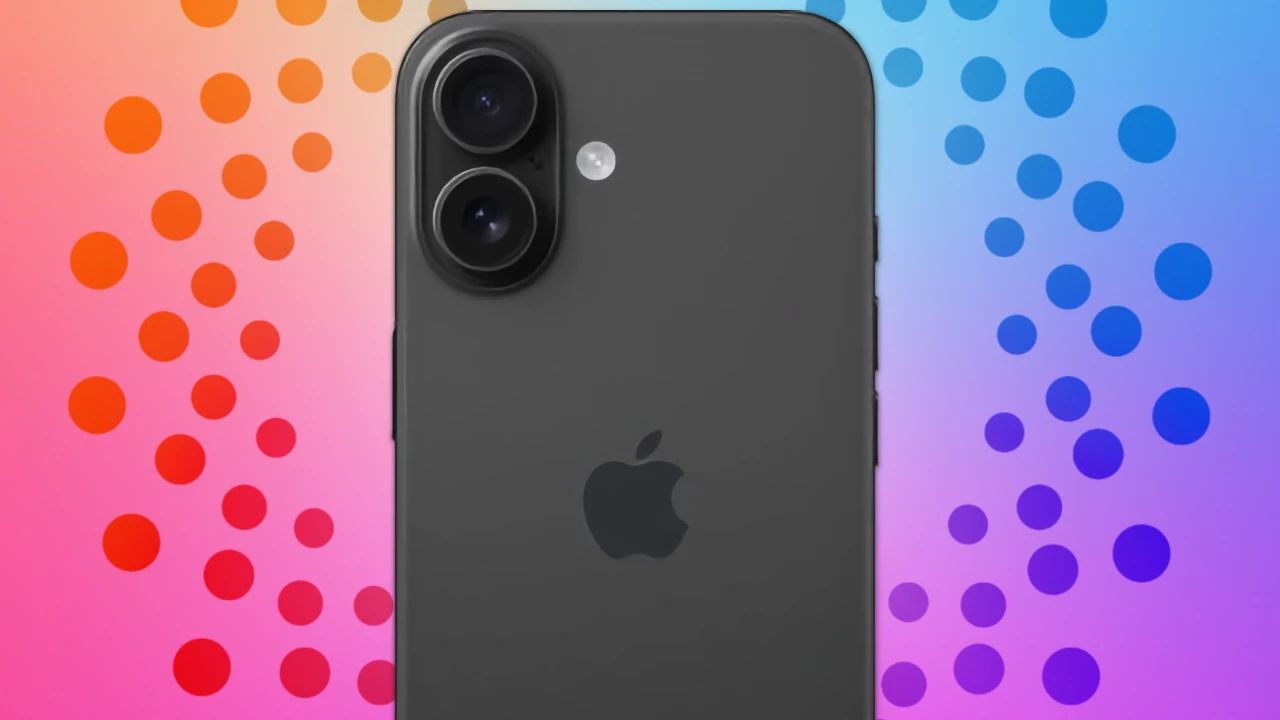
Apple’s iPhone 17 series and the iPhone Air, which stands out with its ultra-thin design, are experiencing strong demand in global markets, particularly in China. Offering significant performance improvements over the iPhone 16 series, the iPhone 17 and the Air model, which stands out with its strikingly thin design, continue to break sales records.
The iPhone 17’s success benefits Samsung
While this strong demand and high sales figures have negatively impacted sales of Samsung’s own Galaxy S and Galaxy Z series, a direct competitor, the South Korean tech giant is indirectly benefiting from this situation.
Samsung is Apple’s largest and most critical component supplier. The company serves as the primary supplier of OLED displays and high-performance memory (RAM) chips needed for the new iPhone 17 models.
The vast majority of the 12GB LPDDR5X RAM chips used in the iPhone 17 series come from Samsung’s production lines, with subcontractors SK Hynix and Micron. In this case, the more new iPhone models are sold, the more Samsung sells components to Apple, which in turn boosts the South Korean giant’s revenue.
Moreover, this increased demand has the potential to generate profits for Samsung not only through sales volume but also through chip prices. The high amount of memory Apple demands for its new phones is compounded by the growing global demand for HBM chips for AI applications.
This situation is forcing manufacturers like Samsung, SK Hynix, and Micron to operate their facilities at full capacity. According to industry experts, if supply remains insufficient in this high-demand environment, a new wave of memory price increases may be inevitable. In such a price hike scenario, Samsung would maximize its profitability by generating additional revenue not only from the quantity supplied but also from rising prices.
Your comment has been submitted,
it will be published after approval.