
Moto G67 Power debuts with massive battery and Snapdragon 7s chip


Motorola has officially revealed the Moto G67 Power, a mid-range 5G smartphone with a focus on endurance. It’s set to launch in India next week, bringing some interesting choices in both hardware and naming.
Moto G67 Power skips ahead in the lineup
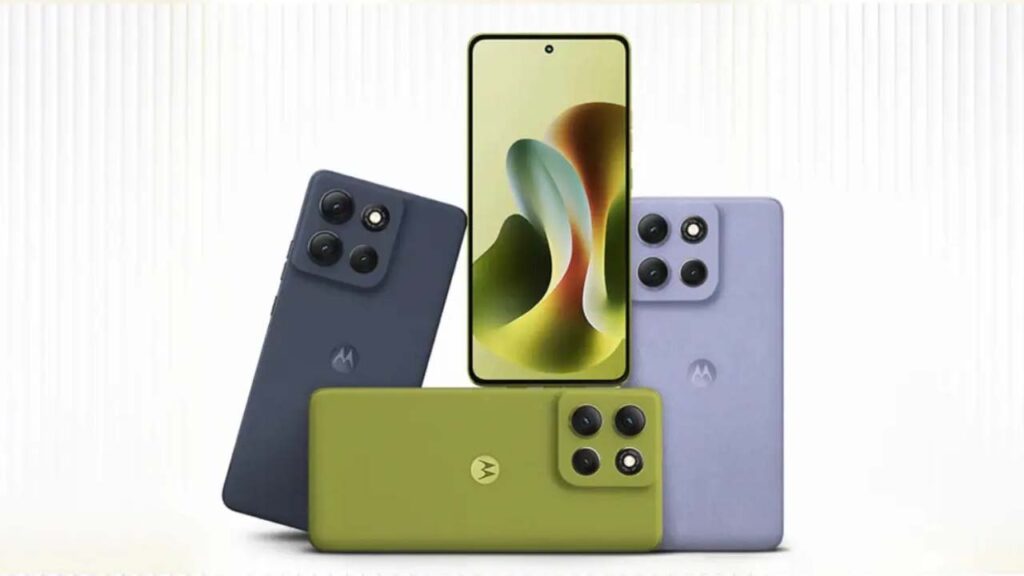
Instead of following up the G64 with a direct successor, Motorola has jumped two generations. The Moto G67 Power marks the start of a new naming tier, skipping both the Moto G65 and G66 entirely.
That doesn’t mean the G64 is forgotten. In fact, the G67 Power seems to build directly on it with some modest but useful upgrades.
Xiaomi 17 Ultra leak teases early launch and camera upgrades
Big battery, fast display, familiar chip
The headline feature here is the 7,000 mAh battery, a bump from the G64’s 6,000 mAh pack. Motorola pairs that with Qualcomm’s Snapdragon 7s Gen 2 chip and up to 8 GB of RAM.
Other core specs include:
- 6.7-inch 120 Hz IPS display
- 1080p resolution with Gorilla Glass 7i
- IP64 water/dust resistance
- 50 MP Sony LYT-600 main camera
- 128 GB or 256 GB of storage
Despite the big battery, the device doesn’t promise flagship performance. The Snapdragon 7s Gen 2 is nearly two years old, and early benchmarks suggest only slight gains over the G64.
Moto G67 Power comes in fresh colors
Motorola is offering the Moto G67 Power in three distinct Pantone color options. Each comes with its own textured finish, aiming to give users more personality in an otherwise minimal design.
That said, the IP64 rating limits water protection, so this isn’t a rugged phone by any stretch.
Launching soon with limited availability
Motorola will launch the Moto G67 Power in India starting November 5. The base model will ship with 8 GB of RAM and a choice between 128 GB or 256 GB storage.
There’s no official word yet on a global release. But if Motorola sticks to its usual strategy, international markets may see it later or not at all.
Battery first, specs second
The Moto G67 Power doesn’t break new ground, but it doesn’t have to. With its oversized battery and smooth display, it aims to win on longevity, not flash. For users who care more about uptime than benchmarks, this might be all they need.
Your comment has been submitted,
it will be published after approval.