
The World’s Fastest Electric Roadster has been unveiled!

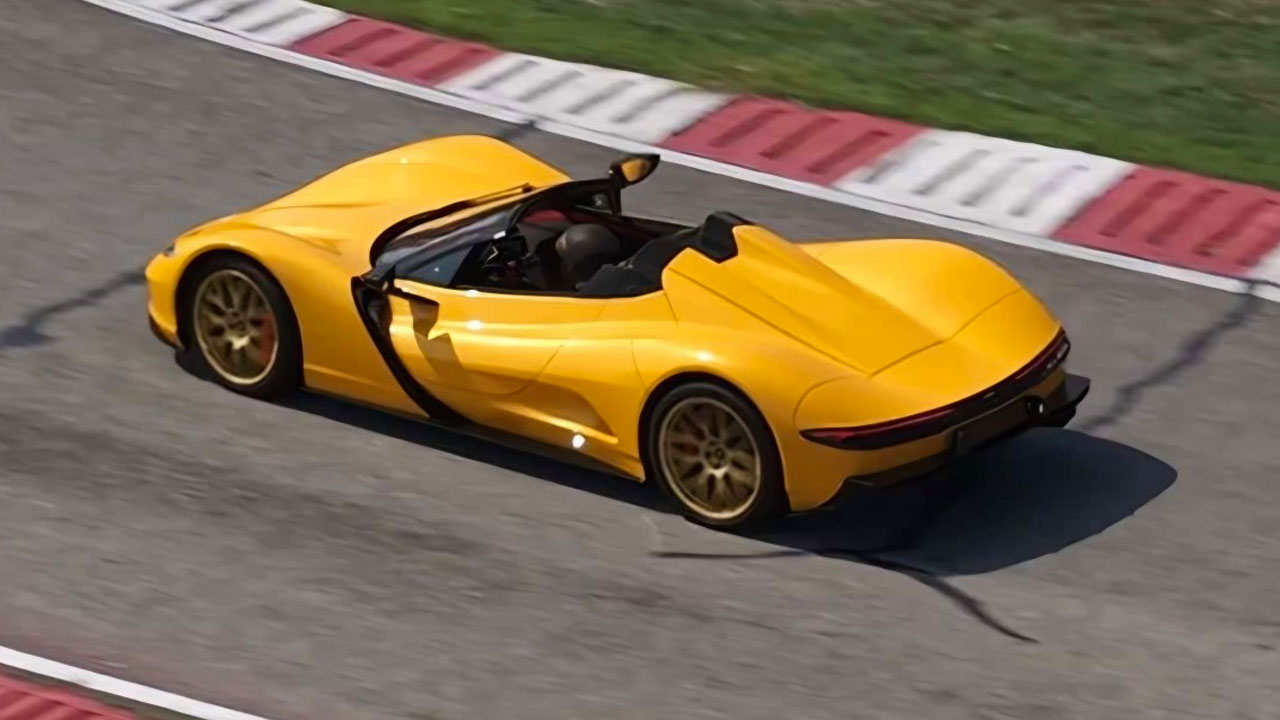
Traditional supercar benchmarks are giving way to the next generation of electric hypercar titans. Models like the Yangwang U9, Lotus Evija, Pininfarina Battista, and Rimac Nevera have established this brand-new category, pushing speed and power to unimaginable limits.
Now, a new contender from the Land of the Rising Sun joins this exclusive and absurd speed club: the Aspark Owl Roadster. This Japanese creation accelerates like lightning, proving once again that high-end EVs can stand alone at the pinnacle of automotive engineering.
100 km/h in 1.78 seconds
The Aspark Owl Roadster’s performance figures sound more like science fiction than a road-legal reality. The car’s all-electric powertrain features four independent electric motors that combine to deliver 1,953 horsepower and 1,920 Nm of instantly available torque.
Acceleration from a standstill to 100 km/h takes just 1.78 seconds. With your foot on the gas, the Owl surpasses 300 km/h in 9.74 seconds. This breathtaking acceleration means the Roadster can compete with almost any road-legal car on the planet in sprint races.
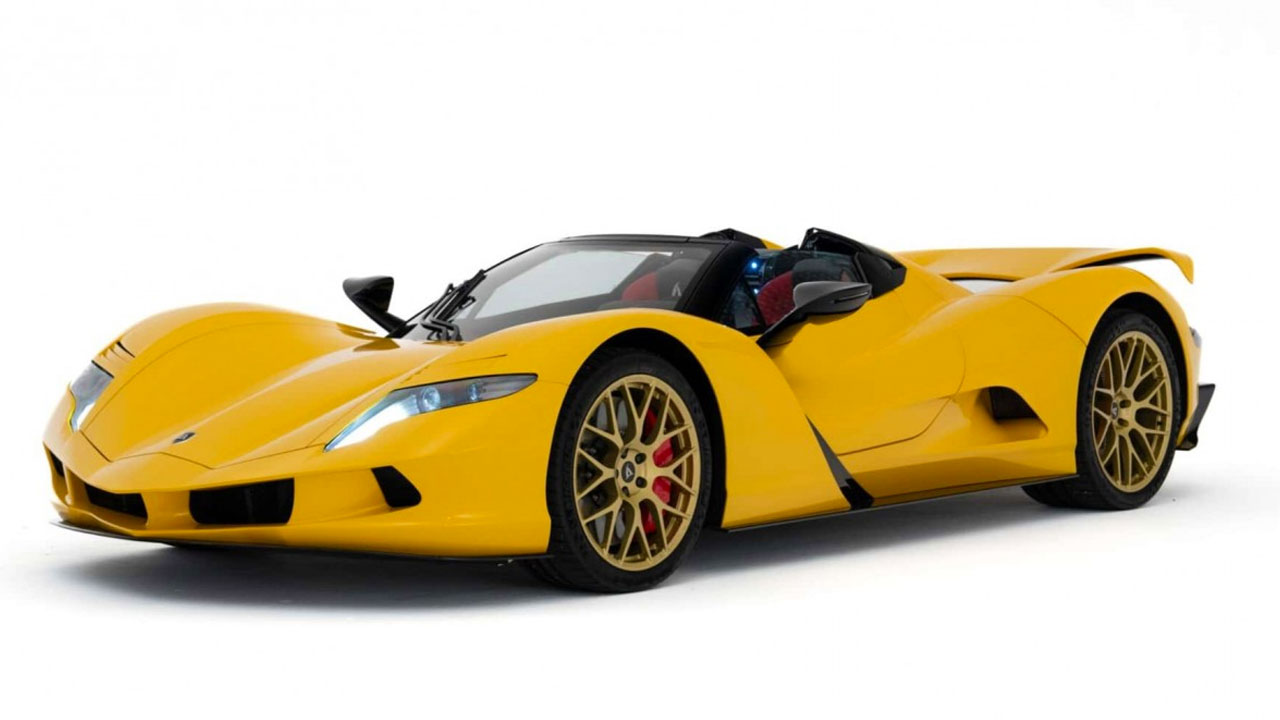
It’s slightly faster than the Rimac Nevera at 100 km/h. However, it’s about half a second behind in the 0-300 km/h sprint. Still, cutting the roof off was a smart decision, as with the MG Cyberster as its only rival, the Owl now holds the title of the world’s fastest electric roadster.
While the engineers claim a theoretical top speed of 413 km/h, for normal road use, the car is electronically limited to 350 km/h. The Aspark team didn’t hesitate to call their creation the fastest EV, ignoring the 3,000-horsepower Yangwang U9 Xtreme.
Beneath its low-slung design, the Aspark Owl uses the same advanced basic structure as its hardtop sibling. The chassis is built on a carbon monocoque structure, keeping the vehicle incredibly light and rigid. Despite carrying a substantial 69.0 kWh battery pack, the Roadster’s total weight is a relatively modest 1,900 kg.
The Owl features a bespoke double-wishbone suspension system that allows the driver to adjust the ride height between 80 mm and 160 mm. Stopping power comes from carbon-ceramic brakes paired with massive 10-piston calipers at the front wheels—a setup essential for stopping nearly 2,000 horsepower.
High-speed stability is managed by active aerodynamics, which includes an adjustable rear wing. The vehicle also offers multiple driving modes, from the cautious Snow Mode to the more aggressive settings that focus entirely on performance. Aspark promises that the open-top design offers a driver-at-one-with-the-road experience, increasing the sensation of noise, vibration, and wind, proving that the quiet operation of electric cars doesn’t necessarily mean a silent driving experience.
Naturally, achieving this level of speed and rarity requires a staggering amount of money. While the Aspark Owl Roadster’s price remains officially secret, estimates suggest the base cost is well over €2.99 million, making it one of the most expensive EVs ever designed.
Aspark plans to produce only about 20 units of the Roadster, making it an instant collector’s item, likely to be seen by only a select few of the world’s most passionate and affluent EV enthusiasts.
Your comment has been submitted,
it will be published after approval.