
FAA Grants Official Certification to Boeing 737-7 Aircraft

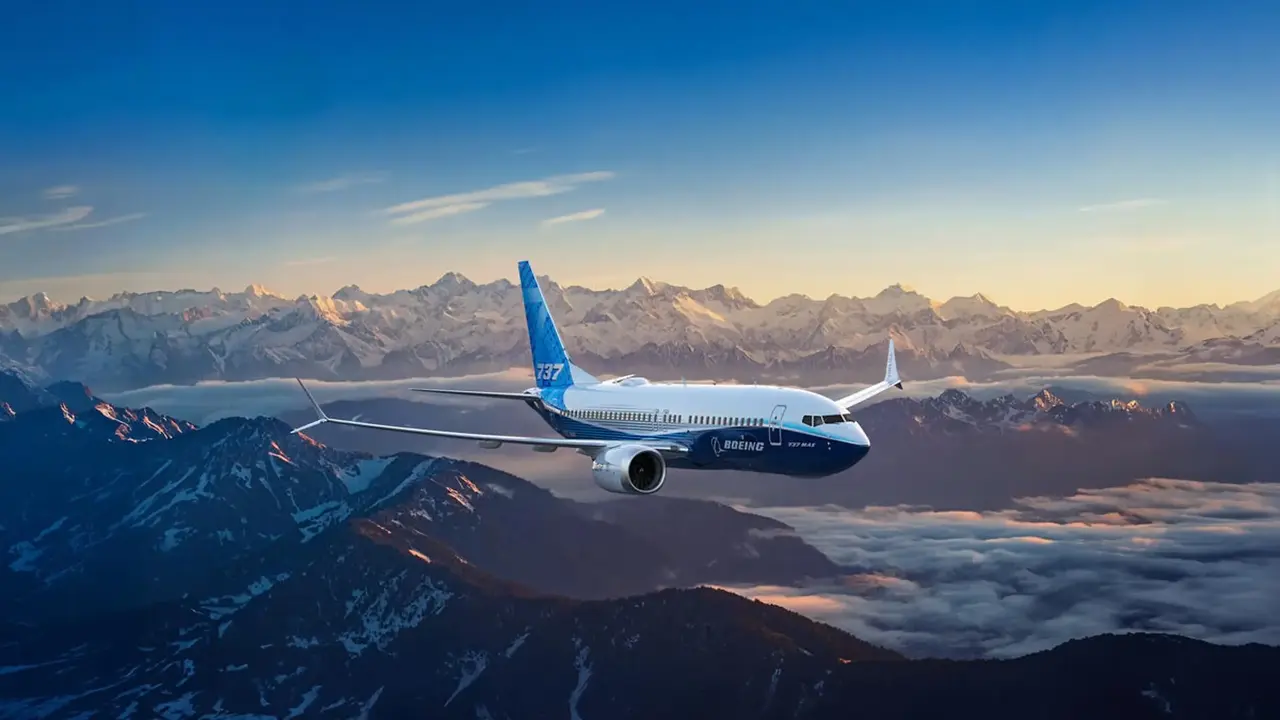
The United States Federal Aviation Administration (FAA) has officially issued an amended type certificate for the Boeing 737-7, marking a pivotal milestone for the manufacturer’s commercial aviation portfolio. This regulatory approval clears the path for the aircraft to commence commercial flight operations globally. Following a rigorous and exhaustive evaluation process, the 737-7, which stands as the newest and longest-range variant of the 737 MAX family, is now prepared to enter service. Launch customer Southwest Airlines is currently finalizing logistics for the delivery of the inaugural units, signaling a major operational expansion for carriers relying on the efficiency of the MAX platform.
- The FAA has completed the certification process and authorized the Boeing 737-7 for commercial flight operations.
- The aircraft delivers a 10 percent increase in range and a 20 percent reduction in fuel consumption and CO2 emissions compared to previous generations.
- Boeing has expanded its Production Certificate to include the 737-7 model to facilitate immediate serial production and delivery.
The Certification Process Reached Completion After Extensive Testing
The certification program for the Boeing 737-7, which officially began in 2018, underwent one of the most thorough safety scrutiny periods in aviation history. The process, which spanned over 1,000 hours of rigorous flight and ground testing, navigated significant challenges, including pandemic-related disruptions and evolving aviation safety standards. FAA experts and Boeing engineers collaborated extensively to finalize comprehensive system safety analyses and human factors assessments.
Engineers successfully upgraded the engine anti-icing systems to ensure the aircraft remains fully resilient under the most extreme meteorological conditions.
As part of the final regulatory requirements, the FAA expanded the manufacturer’s Production Certificate to incorporate the 737-7 model. This administrative adjustment formally authorizes the assembly lines to transition into full-scale serial production, ensuring that aircraft deliveries meet the high demand from global airline partners waiting to integrate this model into their fleets.
The Boeing 737-7 Provides Superior Technical Advantages
Designed to accommodate between 135 and 160 passengers in a two-class configuration, the 737-7 distinguishes itself with an impressive range of 7,040 kilometers. This capability represents a 10 percent improvement over other members of the 737 MAX family, providing airlines with the flexibility to serve longer routes more efficiently. Furthermore, the aircraft is specifically engineered to deliver high performance when operating out of airports located in high-altitude environments or regions with hot climates.
Environmental sustainability remains a core focus of the new design, which achieves a 20 percent reduction in fuel burn and carbon emissions compared to legacy aircraft. Moreover, through the integration of advanced engine technology and refined aerodynamic winglets, the model reduces its noise footprint by 50 percent, significantly mitigating sound pollution near airport vicinities.
The introduction of the 737-7 allows legacy carriers to significantly lower their operational costs while meeting modern sustainability targets.
The 737 MAX Family Continues to Expand Its Market Presence
Boeing maintains a substantial presence in the global aviation market with the 737 MAX series, which currently boasts a backlog exceeding 7,200 orders. With over 2,300 aircraft already delivered to date, the demand for fuel-efficient narrow-body jets continues to grow as airlines modernize their fleets. Alongside the 737-7, Boeing continues to refine the 737-8, 737-9, and the high-capacity 737-10 to address diverse operational requirements, while simultaneously working toward the final certification of the larger 737-10 variant.
We are interested to hear your perspective on the future of narrow-body aviation; do you believe the enhanced range of the Boeing 737-7 will change how airlines plan their long-haul routes? Please share your thoughts in the comments section below.
Your comment has been submitted,
it will be published after approval.