
Fossil Fuel Vehicles Lose Leadership!

The latest sales data for October 2025 marks a turning point in the European automotive landscape. New gasoline vehicle sales fell sharply, ceding market leadership to the combined power of hybrid and electric models for the first time.
Electric and Hybrid Sales Reach 63.9%
While new vehicle registrations in the EU increased only modestly by 1.4% year-on-year in the first ten months of this year, this modest increase conceals a significant shift in consumer preferences toward electric and hybrid models.
The combined power of battery-electric (BEV), plug-in hybrid (PHEV), and standard hybrid (HEV) models accounted for approximately 63.9% of all new vehicle registrations in October, a significant jump from 55.4% a year earlier.
- Standard Hybrids (HEV): Remain the most popular choice for EU consumers. These vehicles have captured 34.6% of the market share since the beginning of the year, with registrations reaching 3,109,362 in the first ten months. Key markets such as Spain (27.1%) and France (26.3%) lead this segment, indicating that many drivers are choosing hybrids as an “intermediate step” away from pure gasoline power.
- All-Electric Vehicles (BEVs): European buyers registered 1,473,447 new BEVs between January and October 2025, giving electric cars a 16.4% market share (up from 13.2% in 2024). In October alone, BEV registrations increased by 38.6% compared to the same month last year.
- Plug-in Hybrids (PHEVs): These models saw the strongest growth rate in October, jumping 43.2% year-over-year. PHEV registrations reached 819,201 units by the end of October, achieving a 9.1% market share. In Southern Europe, Spain saw astonishing increases of 109.6% in PHEV registrations, and Italy saw 76.5%.
The rise of electric and hybrid vehicles is working against traditional internal combustion engines. The combined market share of gasoline and diesel cars has fallen to just 36.6% since the beginning of the year, down from 46.3% in the same period last year.
- Diesel: Diesel cars, once a mainstay of European driving, have seen their market share drop below 10%, with registrations down 24.5% in the first ten months of the year.
- Gasoline: Gasoline cars are also faring poorly, with 2,459,151 units registered, a decline of 18.3% since the beginning of the year.
All major EU markets, led by France (down 32.3%) and Germany (down 22.5%), have seen declines in gasoline sales. The figures clearly demonstrate that the era when fossil fuels dominated the new car market is effectively over.
- The Volkswagen Group (including Volkswagen, Skoda, and Audi) maintains its position as the leading automaker in Europe.
- Chinese Manufacturers: On the electrification front, Chinese manufacturers are rapidly rising. BYD reported a staggering 206.8% sales increase in October, while SAIC Motor saw a 35.9% increase.
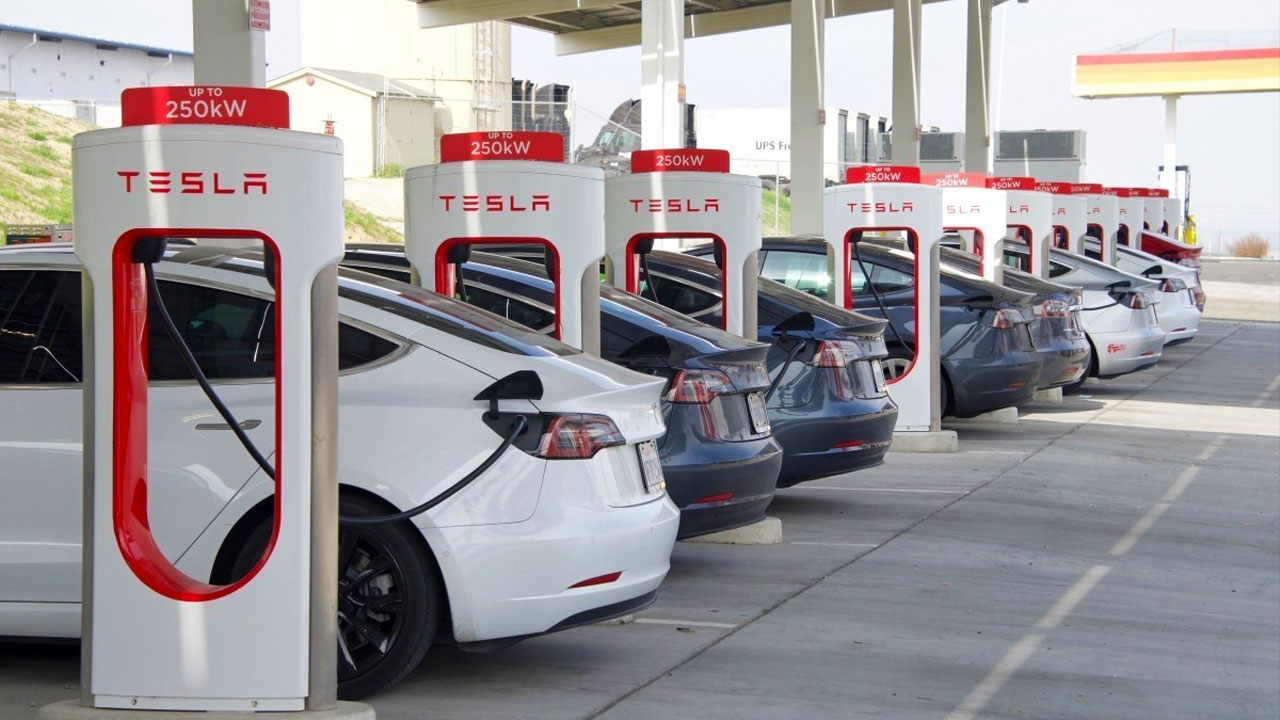
- Tesla: US-based EV leader Tesla was the only automaker to experience a sharp 48.5% decline in sales volume in October. Vehicle updates apparently failed to distract buyers from the CEO’s attitudes, and after a brief burst of interest, sales resumed their downward trend.
Despite all this, the Dacia Sandero remained the best-selling car model in Europe both in October and year-to-date, proving that affordable, smaller vehicles, regardless of power source, still have mass appeal. The data confirms that the market shift is structural and enduring; most consumers are turning to EVs or hybrid solutions, but overall market volume has not yet fully returned to pre-pandemic levels.
Your comment has been submitted,
it will be published after approval.