
BMW offers a Chinese solution to the range problem!

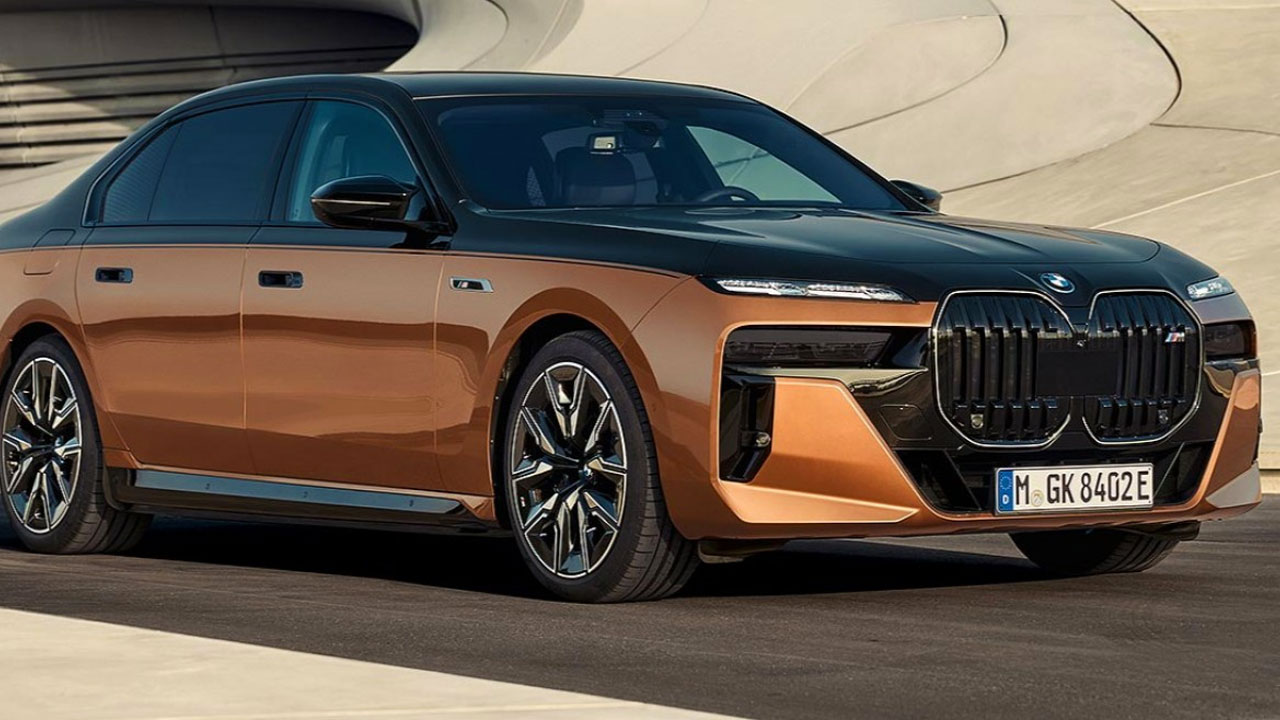
German luxury giant BMW believes it has a clever solution to address the “range anxiety” experienced by drivers of its largest and most expensive models. The company is considering a plan to bring back Range Extender (REX) technology for future EVs, such as the flagship 7 Series sedan and the popular large crossover X5.
China Market Pressure: Growing Interest in EREVs
Inside sources confirm that BMW’s serious exploration of this technology, while not yet an officially confirmed program, demonstrates how much the electric car market has changed since the company last used a range extender in its small i3 hatchback.
The primary driver for BMW’s decision comes from China, its largest sales region. For the BMW Group, which includes MINI and Rolls-Royce, China accounted for 29.2% of all deliveries last year, a higher share than the US and Germany combined.
Drivers in China have begun to show significant interest in EREV (Extended Range Electric Vehicle) models. Data shows that EREV sales in China increased by almost 50% in the first five months of 2025. Local automotive giants like the Li Auto L9, Aito M9, and BYD’s powerful Yangwang U8 have successfully developed the EREV system into a compromise between pure electric cars and conventional gasoline-powered SUVs.
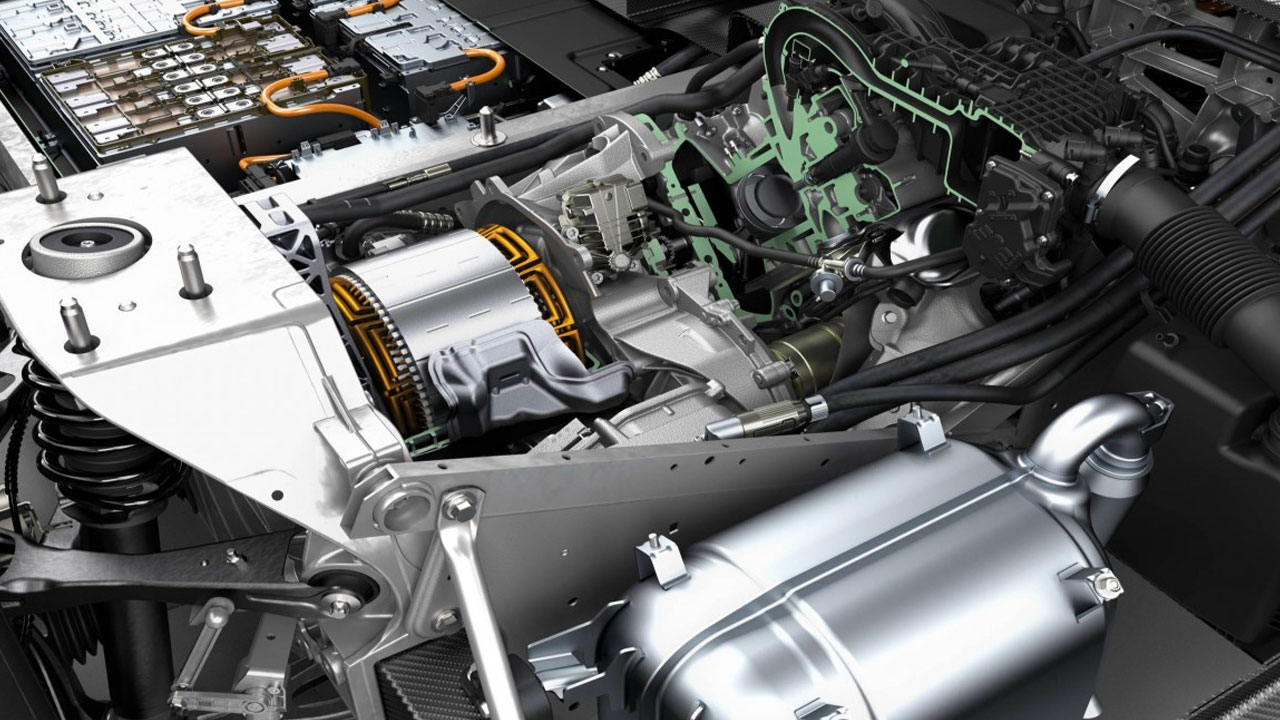
The concept is simple. The driver can drive the vehicle as a regular EV, and when the battery level drops, a small, highly efficient motor automatically kicks in to charge the battery. The motor never directly drives the wheels; instead, it acts as a generator, operating at a constant, single speed to stabilize power and charge the battery. This is the same philosophy BMW used in its older i3 REx.
The large dimensions of the BMW X5 and 7 Series make them excellent candidates for implementing this technology. These vehicles have sufficient space to easily fit the compact generator motor without sacrificing cabin space or luggage capacity. Furthermore, operating the engine at a constant, optimal speed can make it highly efficient. BMW already produces the compact gasoline engines and components required for such a generator setup in-house, meaning it can develop the system more quickly if the project is greenlit.
While China is the primary driver, interest in the Range Extender concept is growing in other key markets as well. American buyers seeking large SUVs and pickup trucks want the best of both worlds: electric driving in the city and unlimited range for long journeys. Evidence of this growing demand is evident in upcoming projects like the Scout and Ramcharger pickups, which are designed with similar generator-assisted electric powertrains.
In Europe, an additional potential benefit relates to future regulations. Depending on how the rules evolve, classifying these vehicles as EREVs could potentially protect them from the European Union’s planned 2035 ban on internal combustion engines.
For now, the future of the REX versions of the BMW X5 and i7 remains uncertain. A company spokesperson offered a tentative stance, stating that BMW “continuously analyzes usage patterns, customer needs, and market developments, and reviews the market potential of various technologies.”
The company is paying close attention to the success of EREVs worldwide, particularly in China, but the final step, approval of the production schedule, is still pending. If realized, this would be a major shift and could boost global EV sales by allowing BMW to offer pure electric driving with a vital safety net for range.
Your comment has been submitted,
it will be published after approval.