
Artificial intelligence could take office workers’ jobs too!

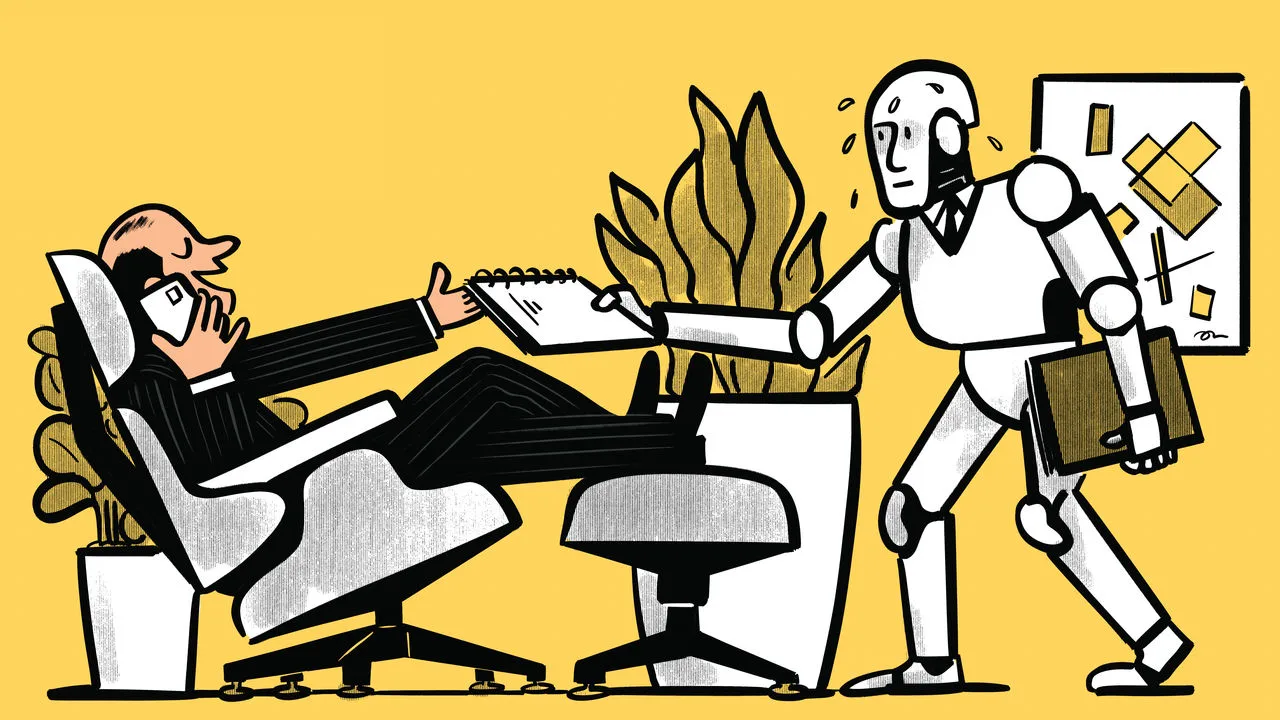
When it comes to how AI will impact the workforce, software developers are often the first to come to mind. Many people assume that only workers in technology hubs like San Francisco or New York are at risk. However, a new study from the Massachusetts Institute of Technology (MIT) shows that this perception may be a major misconception.
Project Iceberg: 11.7% of the workforce is at risk from AI
This comprehensive study, titled “Project Iceberg,” revealed that the impact of automation is far more profound than previously thought. According to the study, existing AI systems could currently replace approximately 11.7% of the US workforce.
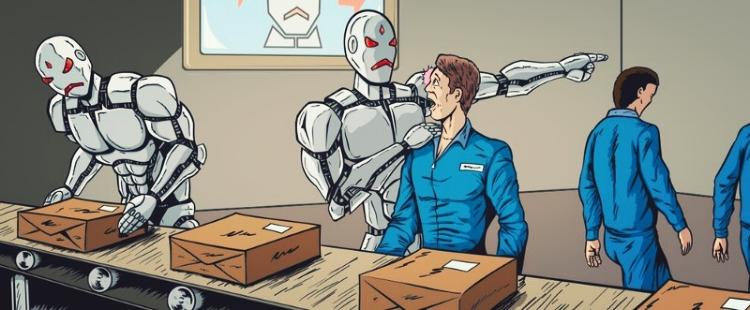
This represents a massive increase in the country’s labor market, representing trillions of dollars in value. To reach this striking conclusion, researchers used the Frontier supercomputer at Oak Ridge National Laboratory. The “Large Population Models” developed detailed analysis of the interactions of 151 million workers and 32,000 different workplace skills.
The data demonstrates that current strategies focus solely on technology jobs, while the real impact is far broader. While current adoption plans cover only 2.2 percent of the workforce, AI’s true impact is five times that.
The report emphasizes that this impact will not be limited to technology hubs but will extend to all states. Roles that combine data processing with human interaction, such as HR, finance, and office management, are particularly targeted.
Industrial regions with a low presence of tech giants, such as Ohio and Michigan, are also at significant risk. It is stated that white-collar jobs in these states, such as financial analysis and administrative coordination, will be significantly impacted by the AI transformation.
This MIT study is not just a report; it also serves as a testing ground for policymakers. States like Tennessee and Utah have already begun using this project to protect their local workforces and make effective planning.
Experts warn that AI automation will not progress in predictable, linear fashion. As Gartner predicts, “business chaos” may occur in the coming years as leaders struggle to adapt to this change. Do you think companies are truly prepared for this massive transformation and the potential “business chaos” that will follow?
Your comment has been submitted,
it will be published after approval.