
Intel 14A gets strong early praise from Foundry clients


Intel’s next-generation process node is already making waves and it hasn’t even entered mass production. According to tech analyst Patrick Moorhead, customers familiar with Intel 14A are calling it “the real deal,” suggesting it could finally give TSMC and Samsung Foundry serious competition.
Intel 14A earns early trust from potential clients
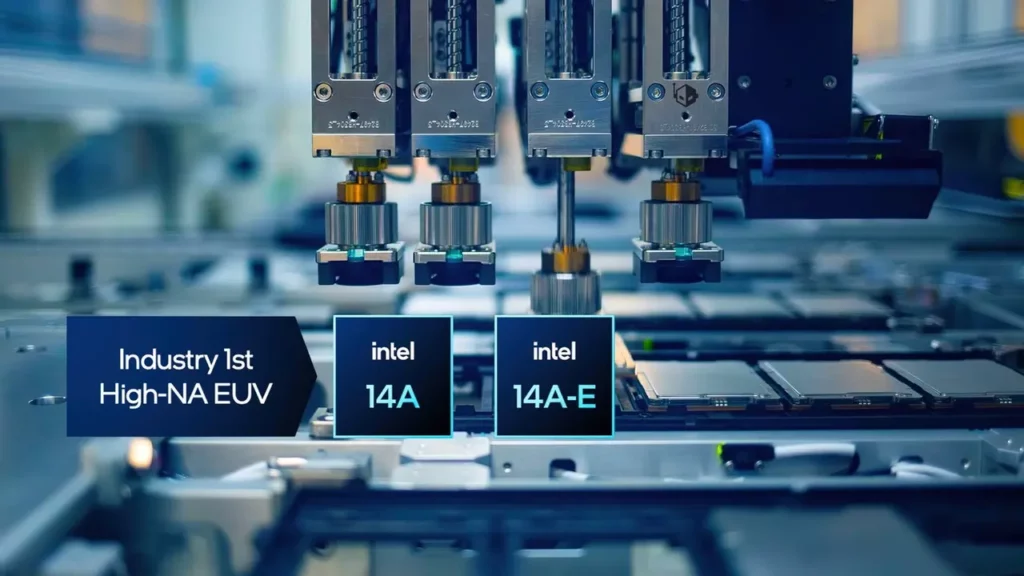
Moorhead reports that Intel 14A is getting positive feedback from clients in the datacenter, PC, and mobile markets. The inclusion of mobile is especially intriguing, since Intel hasn’t officially landed deals with major smartphone SoC vendors like Qualcomm or MediaTek.
However, there’s growing speculation that Apple could extend its partnership beyond Macs and use Intel 14A for future iPhone chips. Ming-Chi Kuo previously reported that Intel would manufacture Apple’s M7 chip on this node, opening the door to deeper collaboration.
Tecno reveals two new zoom lens concepts to eliminate camera switching
What makes it stand out?
Slated for mass production in 2027, Intel 14A will be among the first nodes built using ASML’s high-NA EUV lithography. This advanced technology enables finer details and denser chip designs, though it comes at a higher cost.
What’s fueling the hype around Intel 14A:
- Positive early feedback from datacenter and mobile chip clients
- Possible involvement from Apple (M7, A-series)
- First use of high-NA EUV machines from ASML
- Competitive packaging tech like EMIB and Foveros
- Potential future clients: Nvidia, AMD
Intel’s advanced packaging capabilities are drawing attention too. Solutions like Foveros and EMIB could sweeten the deal for chipmakers aiming to push performance without ballooning die sizes.
Intel 14A could shift industry dynamics in 2027
The node’s success will depend on more than just specs. Intel needs to win actual contracts and deliver on time. But with chatter growing and big names reportedly interested, Intel 14A is shaping up to be the company’s most credible foundry offering in years.
If all goes to plan, 2027 may mark a rare turning point where Intel moves from underdog to serious threat in third-party chip manufacturing.
Your comment has been submitted,
it will be published after approval.