
Blue Origin Takes the Lead in the Moon Race as Starship Delays!

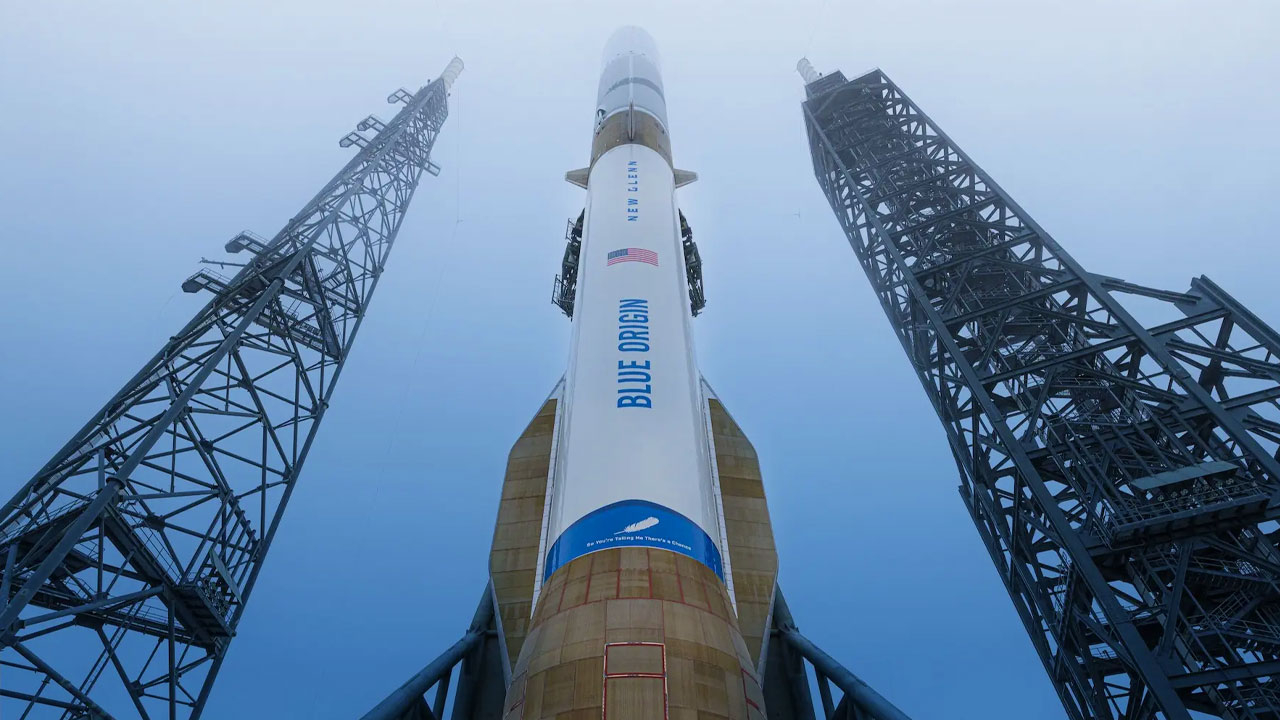
While SpaceX faces another setback in its journey to operationalize its Starship rocket, Blue Origin is slowly but surely making progress toward its capable Mark 1 lunar lander. Could NASA’s decision to retain its lander provider for the Artemis 3 mission be a problem for the company? Here are the details.
SpaceX Suffers Another Setback in Starship Development
Last month, SpaceX suffered another setback in its Starship program. Booster 18, the latest Starship booster, encountered an anomaly during an ambient pressure test just days after being fully assembled. Booster 18 was SpaceX’s first Starship V3 booster and the fastest booster the company has ever built, clocking in at approximately two months.
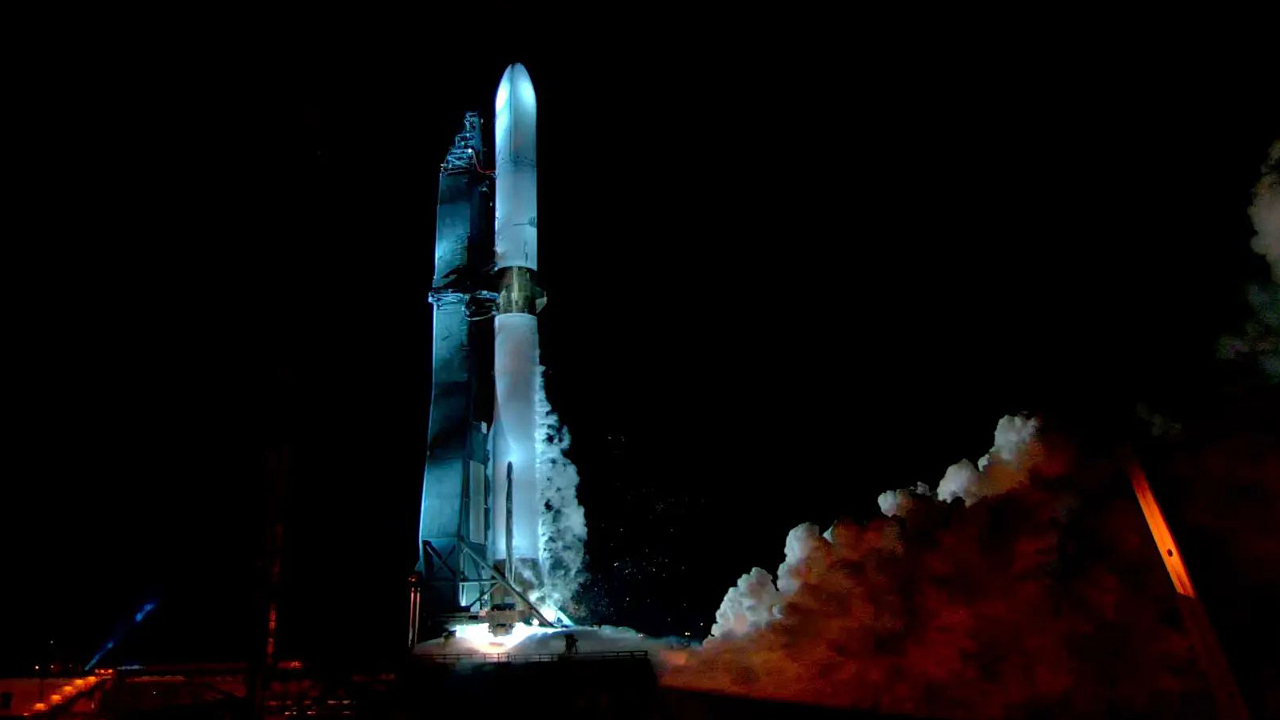
Starship V3, like its predecessor, was expected to address many issues, improve performance, and bring Starship closer to an operational rocket. Starship Flight 12 is scheduled to be the first flight of a V3 Starship.
The anomaly on Booster 18 caused a tear in the side of the vehicle. While the anomaly is believed to have been caused by the explosion of a Composite Overwrapped Pressure Vessel (COPV), SpaceX has not yet confirmed the cause. SpaceX personnel have already begun work to scrap the booster due to the damage and clean up the test stand.
SpaceX will now have to use Booster 19 for Flight 12. Construction on this booster, which had barely begun at the time of the anomaly, is still underway. SpaceX aims to break its own booster assembly record by completing the booster by the end of the year and remain on track for a Flight 12 launch in the first quarter (Q1) of 2026.
This is far from the first mishap SpaceX has experienced on the test stand, and given Starship’s history of block upgrades, more mishaps are likely. This is particularly common during the development of a new rocket within a SpaceX rocket development program.
As Starship continues to encounter problems in flight tests, this is a phrase SpaceX has been using throughout the year: “It’s a normal development process.” However, a situation is looming in the background that could cost SpaceX a valuable NASA contract.
While Starship’s primary purpose is to carry out SpaceX’s mission to send humans to Mars, it has also been contracted to be one of NASA’s Artemis Human Landing Systems (HLS). The contract, which has raised concerns for NASA and Congress, is to land NASA astronauts on the lunar surface on the Artemis 3 mission, scheduled for launch in mid-2027 at the earliest.
SpaceX has just one year to demonstrate a vehicle capable of flying to the Moon, refueling, successfully landing on the surface, and returning its crew to lunar orbit. There’s no doubt SpaceX can do it, but the question is whether it can achieve this without delaying Artemis 3 to 2028 or later.
Congress is pressuring NASA to make the human lunar landing mission its top priority and ensure China beats its planned 2030 landing. If there’s one thing we know about NASA’s Artemis program timelines, it’s that they often fall years behind schedule.
NASA’s acting Secretary of Transportation, Sean Duffy, has opened up contracts to other companies that believe they can beat SpaceX to landing humans on the Moon. One such company is Blue Origin, which is developing its own HLS lander for the Artemis V. SpaceX has already surpassed 49 HLS milestones and received nearly $3 billion in funding, but it still lacks a rocket capable of reaching orbit.
Blue Origin already has a capable rocket (New Glenn) that has successfully flown twice and successfully landed one of its boosters on an unmanned spacecraft. The company is also nearing completion of the first lunar lander, Blue Moon Mark 1. While smaller than the vehicle it will use for HLS, Blue Origin could launch its first lunar landing with this vehicle as early as 2026.
While SpaceX has an advantage with early tests of orbital refueling, which both Blue Moon Mark 2 and Starship will require, Blue Origin appears to be ahead in other categories. Blue Origin is arguably leading in delivering test hardware for lunar landings.
Your comment has been submitted,
it will be published after approval.