
Tesla may face a sales ban in California!

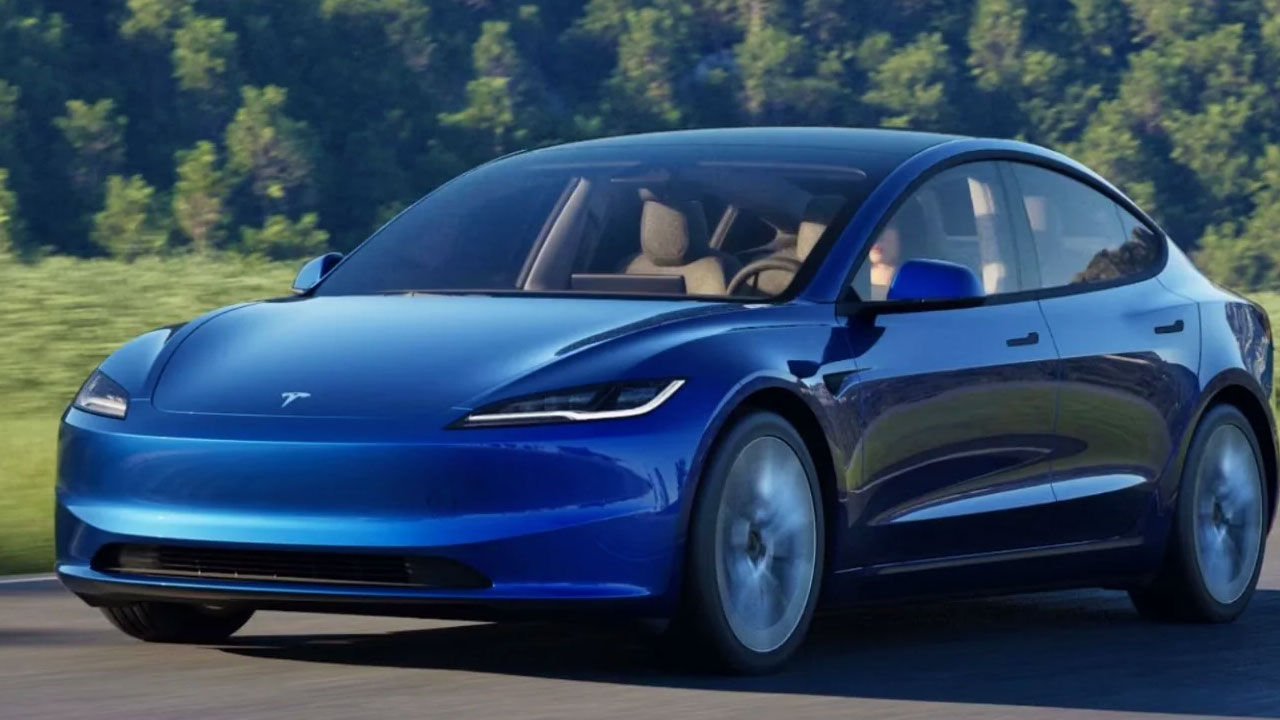
Electric vehicle giant Tesla has once again clashed with California regulators over its marketing of driver-assistance technologies. A state administrative judge has ordered a 30-day suspension of the company’s sales license. This harsh decision stems from allegations by the California Department of Motor Vehicles (DMV) that Tesla misled consumers by using the names “Autopilot” and “Full Self-Driving” (FSD).
The Autonomous Driving Crisis Grows
Officials argue that these names create the perception that the vehicles can drive themselves completely without human intervention, when in reality this is not the case.
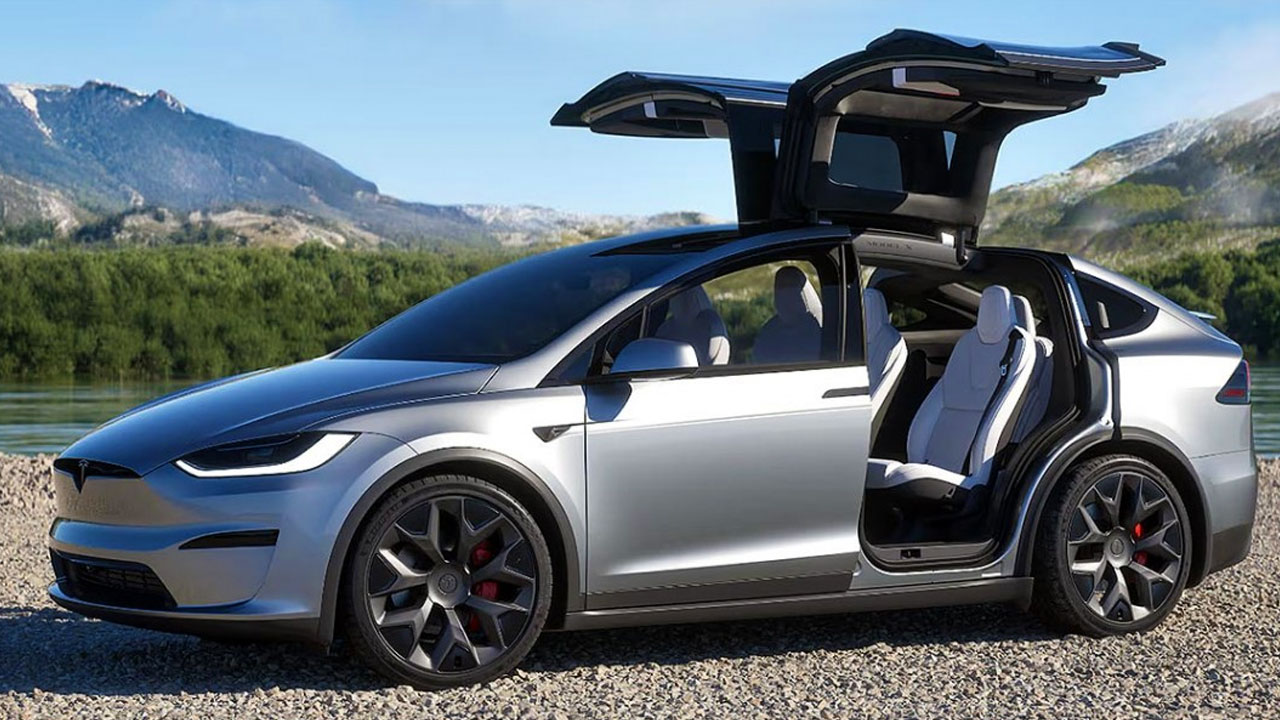
While the judge upheld the 30-day suspension, the DMV did not immediately close Tesla showrooms. The agency granted Tesla an additional 90 days to correct its advertising and marketing materials. If the company removes the misleading claims and makes its branding more honest, it may be able to avoid this penalty. DMV Director Steve Gordon stated that their goal is simply to ensure products are labeled correctly, just as they are in other parts of the world.
California accounts for approximately one-third of Tesla’s total sales in the United States. Therefore, a potential sales ban could be a devastating blow to the company’s financial statements. Furthermore, Tesla manufactures the Model S, Model X, Model 3, and Model Y at its Fremont factory in this state. While the suspension of the production license has been indefinitely postponed, the threat to sales remains serious.
At the heart of the legal battle lies the question of what a car can actually do. The DMV claims that the name “Full Self-Driving” suggests technology that allows a person to sleep while the vehicle is in motion. In reality, these systems are merely advanced assistant tools that help with steering, braking, and lane changes.
Although Tesla recently added the word “Supervised” to the FSD name in response to these criticisms, regulators believe more measures are needed to ensure buyers understand that these vehicles are not yet fully robotic.
Tesla’s lawyers argue that the company has never lied and has always been clear about the need for drivers to keep their hands on the wheel and their eyes on the road. However, this legal process comes at a very difficult time for Tesla. At a time when demand for electric vehicles is slowing globally and incentives are decreasing, Elon Musk’s market value, built on promises of “robotaxi” and fully autonomous driving, could be severely damaged by a defeat related to these promises.
Tesla now faces a critical 90-day deadline. They must either comply with the DMV’s rules by changing their website and brochures, or appeal the decision in court. Regardless of the outcome, this case represents a turning point for the entire automotive world.
Your comment has been submitted,
it will be published after approval.