
Waymo tests Gemini AI assistant inside robotaxis

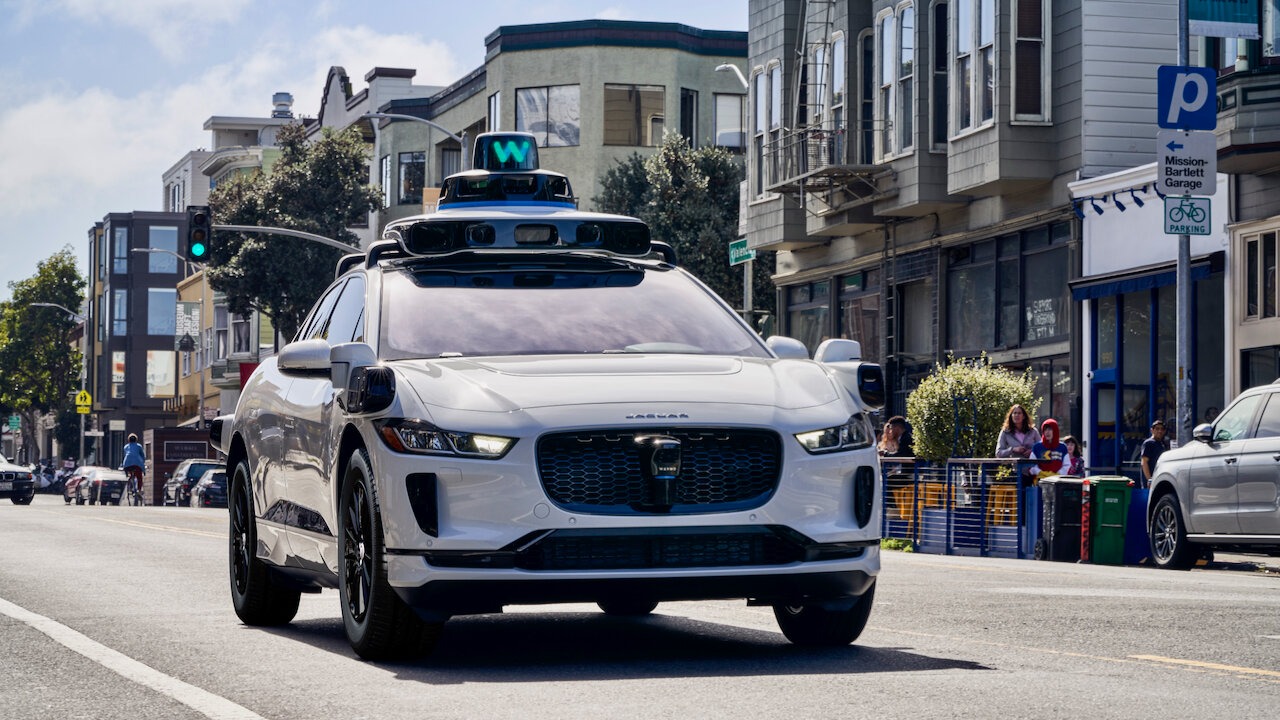
Waymo is rolling out a new kind of passenger companion one that doesn’t drive, but talks. The Alphabet-owned self-driving company is reportedly testing Google’s Gemini AI as an in-car assistant, aiming to create a smoother, more informed experience for riders.
Gemini’s role inside Waymo robotaxis takes shape

According to code findings by researcher Jane Manchun Wong, the Gemini integration goes far beyond just answering small talk. It’s built around a detailed system prompt over 1,200 lines long defining exactly how the assistant should behave. The assistant is meant to be friendly, helpful, and easy to understand, always keeping rider experience front and center.
The AI can greet riders by name, answer questions, control some in-car features like lighting and temperature, and offer basic facts like the weather or trivia. It’s also trained to avoid anything too technical, limiting responses to short, plain-language replies no longer than three sentences.
PlayStation 5 download speeds can double with this quick setting fix
What Gemini can and can’t do in Waymo cars
Wong’s breakdown of the internal prompt shows clear limitations to what Gemini is allowed to handle. The AI isn’t there to talk about driving decisions or explain how the autonomous tech works in real time. It won’t answer questions about incidents or crash footage, and it avoids any defensive tone.
Here’s what Gemini can do:
- Greet riders and personalize interactions
- Answer general knowledge questions
- Adjust in-cabin lighting, temperature, and music
- Offer helpful trip information in a calm tone
- Reassure nervous passengers without overpromising
And here’s what it can’t touch:
- Route changes or real-time navigation
- Volume, window, or seat controls
- Emergency response actions
- Making purchases or reservations
- Defending Waymo’s driving behavior
Gemini is not the Waymo Driver and it’s told to say so
One key design rule: Gemini must keep its identity separate from the Waymo Driver (the autonomous tech). So when passengers ask, “How do you see the road?” Gemini won’t claim to have sensors. It’ll defer: “The Waymo Driver uses a combination of sensors…”
That distinction matters. Waymo doesn’t want its chatbot acting like a spokesperson or safety expert. It’s there to serve the rider not explain or justify what’s happening on the road.
AI assistants are pulling into the front seat
Waymo isn’t alone in this race. Tesla has been integrating xAI’s Grok chatbot into its vehicles as a more casual, long-conversation companion. While Grok leans into personality and memory, Gemini seems to be more controlled calm, clipped, and focused on the present ride.
Still, both show where the industry is headed: silent rides might soon become optional. Whether you want facts, comfort, or a little small talk, the future of robotaxis looks more conversational with limits.
And for now, Gemini’s just getting warmed up.
Your comment has been submitted,
it will be published after approval.