
Artificial Intelligence Could Create Energy Shortages!

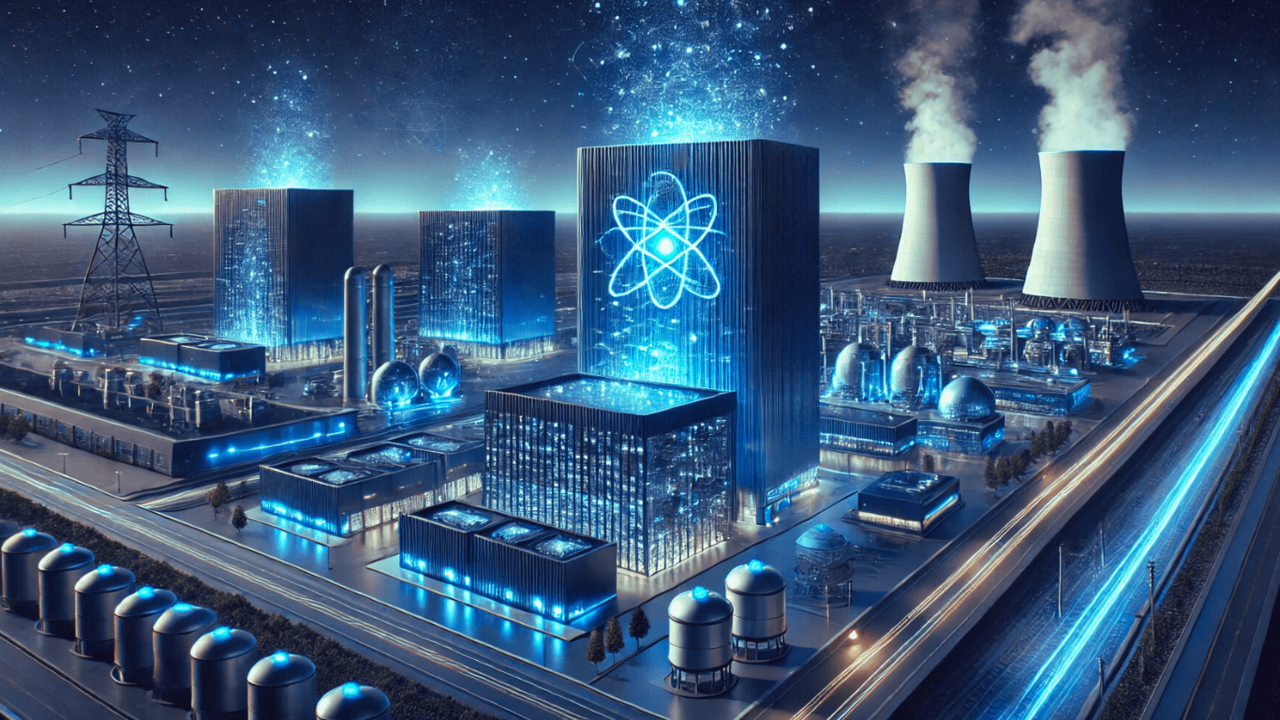
The rapid proliferation of artificial intelligence (AI) technologies is placing unprecedented pressure on global water resources, beyond just energy consumption. A new report by researcher Alex de Vries-Gao from Amsterdam VU University, published in the academic journal Patterns, reveals the heavy environmental cost of this digital transformation.
AI consumes enormous amounts of energy
According to the data, the total water consumption of AI systems in 2025 reached 765 billion liters. This amount surpasses the entire annual demand for bottled water worldwide, sounding a new alarm bell in the technology world.

This water consumption includes not only the direct resources used to cool high-performance processors but also the indirect water consumed in generating the electricity that powers these systems. Another point highlighted in the research is the dramatic increase in carbon footprint.
The annual amount of carbon dioxide released into the atmosphere by AI systems is estimated to reach 80 million tons. This figure even surpasses the total emissions of a global megacity like New York, with a population of approximately 8.5 million. Despite tech giants’ commitment to “clean energy,” the power demand from AI has reached 23 Gigawatts, officially exceeding Bitcoin mining energy consumption in 2024.
Data shared by the International Energy Agency (IEA) confirms that this environmental burden is unsustainable. It is stated that each of the largest AI-focused data centers under construction today consumes electricity equivalent to that of 2 million households.
The US leads in data center energy use with 45%, followed by China with 25% and Europe with 15%. The failure of companies to clearly separate AI-specific data in their environmental reports creates a serious transparency problem. In particular, the shortcomings in measuring water use efficiency (WUE) indicate that the true impact of digitalization on water scarcity may be much greater than anticipated.
Your comment has been submitted,
it will be published after approval.