
Lenovo may delay laptops in 2026 as DRAM prices soar

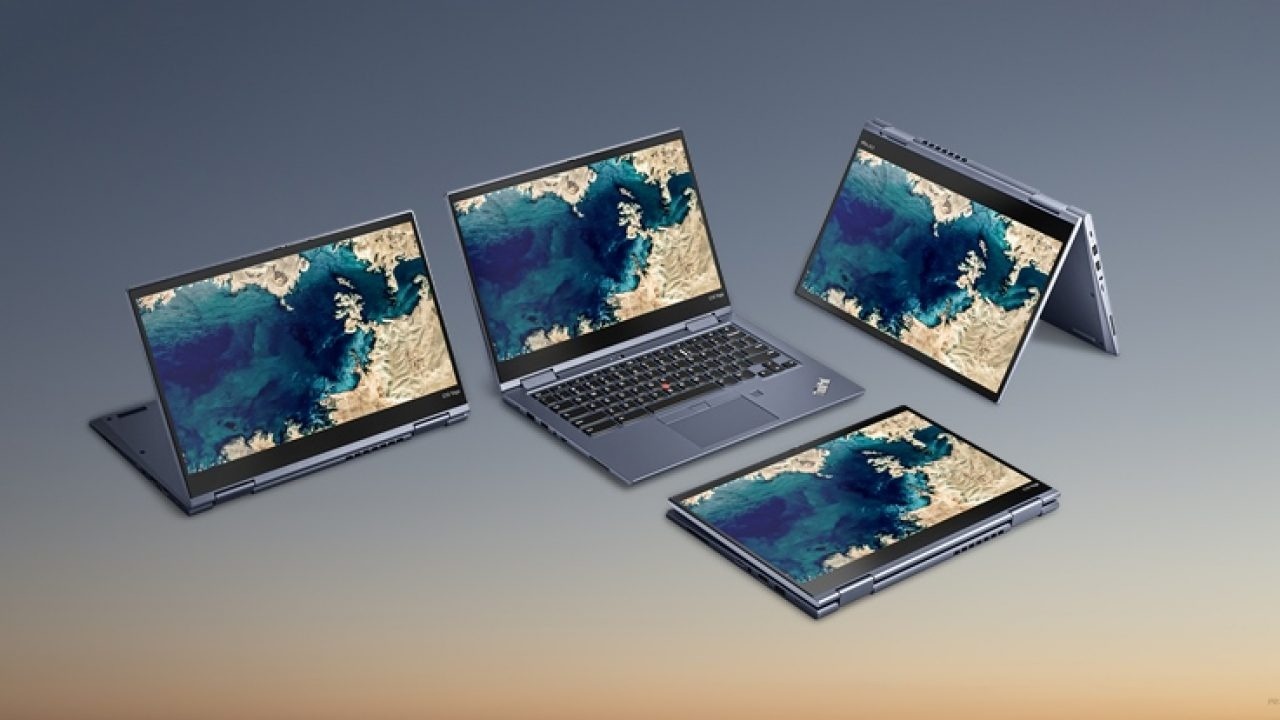
Brace for fewer laptops and higher prices in 2026. A growing memory shortage, now projected to push DRAM costs up by 45%, could disrupt release plans from major brands like Lenovo and HP. Some high-end models might see price hikes of up to 30%, while others may be pushed back entirely.
Memory prices trigger laptop delays and pricing fears
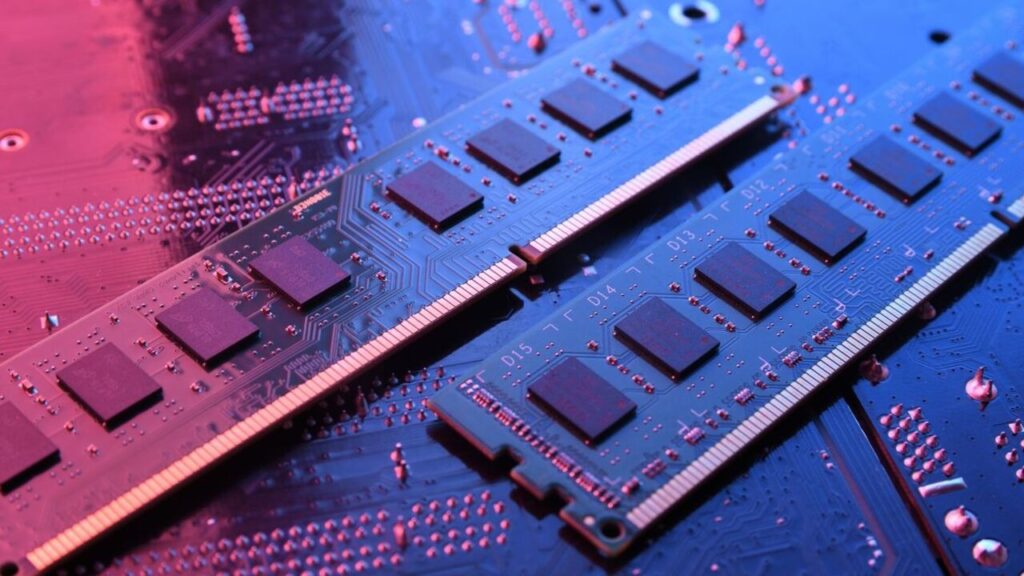
According to Korean business outlet Chosun Biz, notebook makers are now scrambling to secure DRAM ahead of what looks like a brutal year for supply chains. Lenovo and HP are reportedly considering launch delays to avoid bumping up MSRPs too aggressively.
Industry sources claim that several manufacturers have signed early deals with Samsung, SK Hynix, and Micron to lock in stock. But these moves likely won’t be enough. TrendForce projects that memory and storage will soon make up 23% of the cost to build a laptop a steep rise, especially for budget or mid-range systems.
Mangmi Pocket Max brings modular buttons to Android handhelds
DRAM isn’t the only problem, SSD prices are climbing too
The pressure doesn’t stop with RAM. With AI server demand consuming massive amounts of NAND flash, SSD prices are climbing fast. This hits entry-level and gaming notebooks equally, driving total build costs higher across the board.
What’s fueling the pricing crisis:
- 45% increase in DRAM costs expected by late 2026
- AI industry hoarding NAND, pushing SSD prices up
- Storage & memory now 23% of laptop BOM (bill of materials)
- Some OEMs plan up to 30% price hikes for premium models
Buyers may hit pause after strong 2025 sales
PC shipments spiked in 2025, helped by forced Windows 11 upgrades. That momentum won’t carry over. With prices trending upward and fewer new models expected, buyers may hold off. Brands like Lenovo seem to be bracing for a slowdown by extending the shelf life of current inventory instead of flooding the market with new SKUs.
Smaller brands scramble for workarounds
The giants can negotiate memory supply deals smaller players, not so much. Maingear, a U.S. boutique PC builder, now asks customers to provide their own RAM to complete custom builds. It’s a patch, not a fix, especially with used DDR5 still commanding high prices. Meanwhile, Asus briefly stirred rumors about making its own RAM before quickly denying any such plan.
If memory prices keep climbing into 2026, don’t be surprised if laptop innovation slows to a crawl. Hardware makers can’t absorb the cost forever, and shoppers may soon find themselves choosing between outdated specs or inflated price tags.
Your comment has been submitted,
it will be published after approval.