
RTX 5090 power cable burns in fire, stoking concerns over Blackwell GPU safety

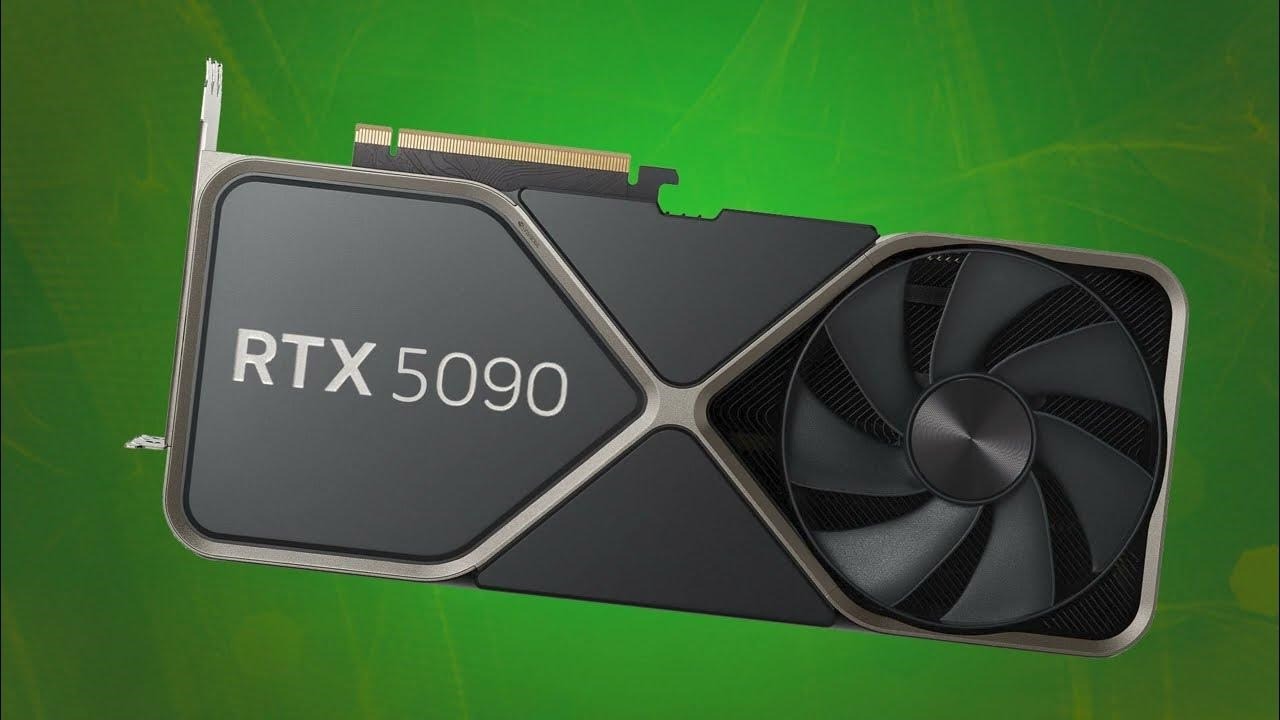
The Nvidia RTX 5090 may be a dream card on paper, but it’s becoming a hot topic for the wrong reasons, literally. A new case involving a burned power cable and visible flames adds to growing concerns about the GPU’s 12V-2×6 connector, sparking fresh debate about power supply compatibility and safety.
Another RTX 5090 goes up in smoke
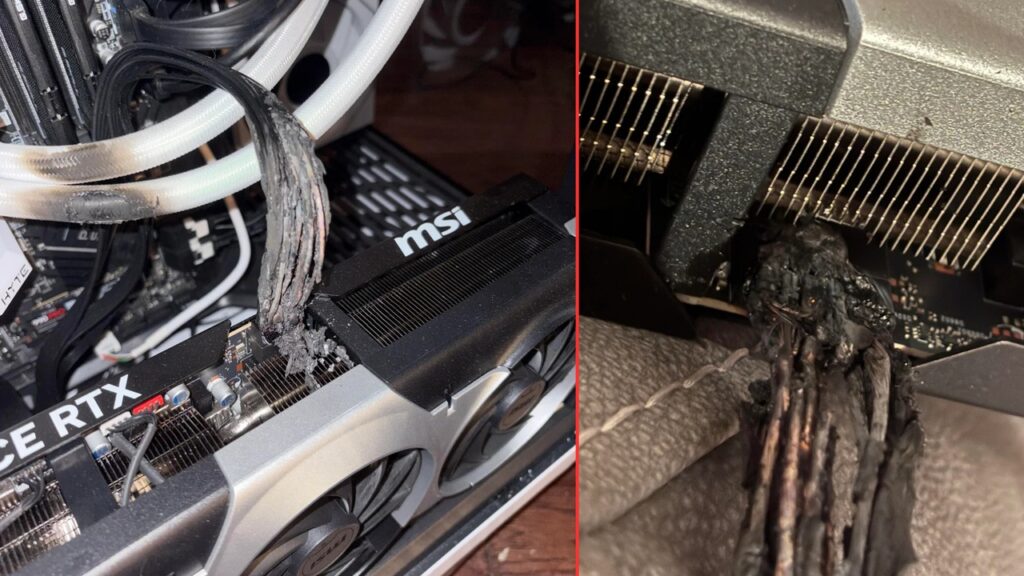
In a detailed Reddit post, user nmp14fayl described how his MSI RTX 5090 caught fire after nine months of use. The culprit appears to be the 16-pin 12V-2×6 cable, which was melted down to bare wires. The GPU’s power port is also scorched. Fortunately, the fire didn’t spread beyond the immediate area.
The user hasn’t tried disconnecting the cable yet, though his motherboard and integrated video output still function. He also mentioned having a Micro Center protection plan, which may cover the damage.
AMD RDNA 5 GPUs taped out on TSMC N3P, mid-2027 launch likely
Debate flares over PSU and connector safety
The case reignited debate around PSU selection and whether Nvidia’s updated power connector is up to the task. The system used a Cooler Master MWE Gold 1050 V2 PSU a mid-tier 1,050W unit. While technically within spec for an RTX 5090 build, many users argue that’s cutting it close. More critically, this PSU isn’t highly rated when it comes to handling extreme loads.
Factors possibly behind the failure:
- 12V-2×6 connector design under heavy sustained load
- PSU with marginal headroom for RTX 5090-class builds
- Lack of safeguards stopping power draw before fire
- Cable shipped with the PSU, not custom-made
Nvidia’s power problem isn’t new
Incidents like this aren’t isolated. The RTX 4090 suffered similar issues, prompting Nvidia to replace the older 12VHPWR connector with the 12V-2×6 standard. The change was supposed to reduce overheating by improving pin contact and alignment. Yet, real-world reports keep surfacing.
Nvidia often blames improperly seated cables, but that doesn’t hold up here. The Redditor insists the cable was installed securely. Brands like MSI have since tweaked designs for better fitment, while Asus has started adding pin-detection sensors to its RTX 50-series cards.
Power matters more than ever with the RTX 5090
At this level, power isn’t just about wattage, it’s about quality and stability. A 1,050W PSU might seem sufficient, but depending on other components, it may fall short during voltage spikes or under load. Ideally, users should aim for a 1,200W+ high-efficiency PSU, especially one vetted for ATX 3.1 compliance.
Until Nvidia fully addresses the issue, the RTX 5090 remains a GPU that demands more than just performance; it requires caution, premium components, and careful assembly. For those cutting corners, the risk isn’t just a shutdown; it’s a fire.
Your comment has been submitted,
it will be published after approval.