
LG is releasing a Canvas-Looking Television


While the tech world’s attention is focused on CES 2026 in Las Vegas, exciting news continues to come from LG. The South Korean technology giant is preparing to introduce its new design-focused television model, the LG Gallery TV, at the fair. Targeting users who prioritize home decor, this model stands out with its canvas-like structure.
LG’s competitor to Samsung The Frame is coming.
The new model will be offered in two different size options: 55 inches and 65 inches. Built on Mini LED screen technology, the device is powered by the company’s Alpha 7 AI processor and promises users a sharp image experience in 4K resolution. On the design side, the device’s flush wall mounting capability and customizable magnetic frames stand out.
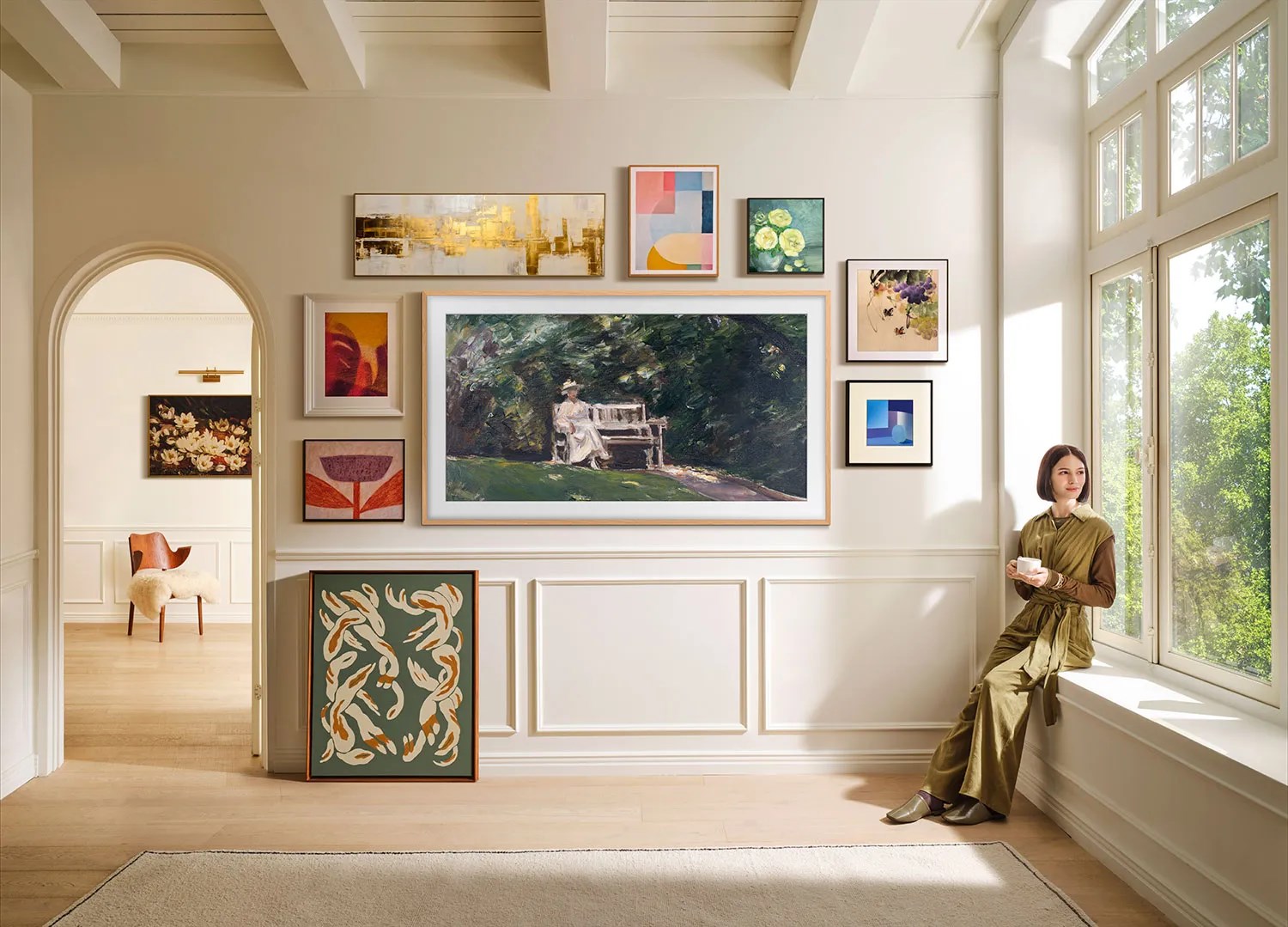
The LG Gallery TV is more than just a television; it also functions as a digital art gallery. Users can access a vast library of over 4,500 artworks through the LG Gallery+ service, a paid subscription. In addition, fully personalized visuals can be created using generative AI technology, or memories from personal photo libraries can be projected onto the screen.
The company states that it collaborated with museum curators during the development of this television. The device’s Gallery Mode automatically optimizes brightness and color settings to best reflect the texture of artwork. Although precise technical details have not yet been shared, it is stated that the screen has special capabilities in reflection management and glare reduction. Furthermore, the TV can automatically adjust image settings according to changing ambient light throughout the day.
LG has previously released art-focused models like the LG GX Gallery TV, but this new version seems poised for much more direct competition with rivals such as Samsung’s popular “The Frame” model and Hisense CanvasTV. Technology enthusiasts will have the chance to see this device up close at the trade show in Las Vegas between January 6th and 9th, 2026.
In this era where home technologies are increasingly becoming part of home decor, what are your thoughts on using televisions like a painting instead of just a black screen when turned off? Would you like to have an art television like this in your home?
Your comment has been submitted,
it will be published after approval.