
NVIDIA CES 2026 Announcements: AI Cars, No New GPUs

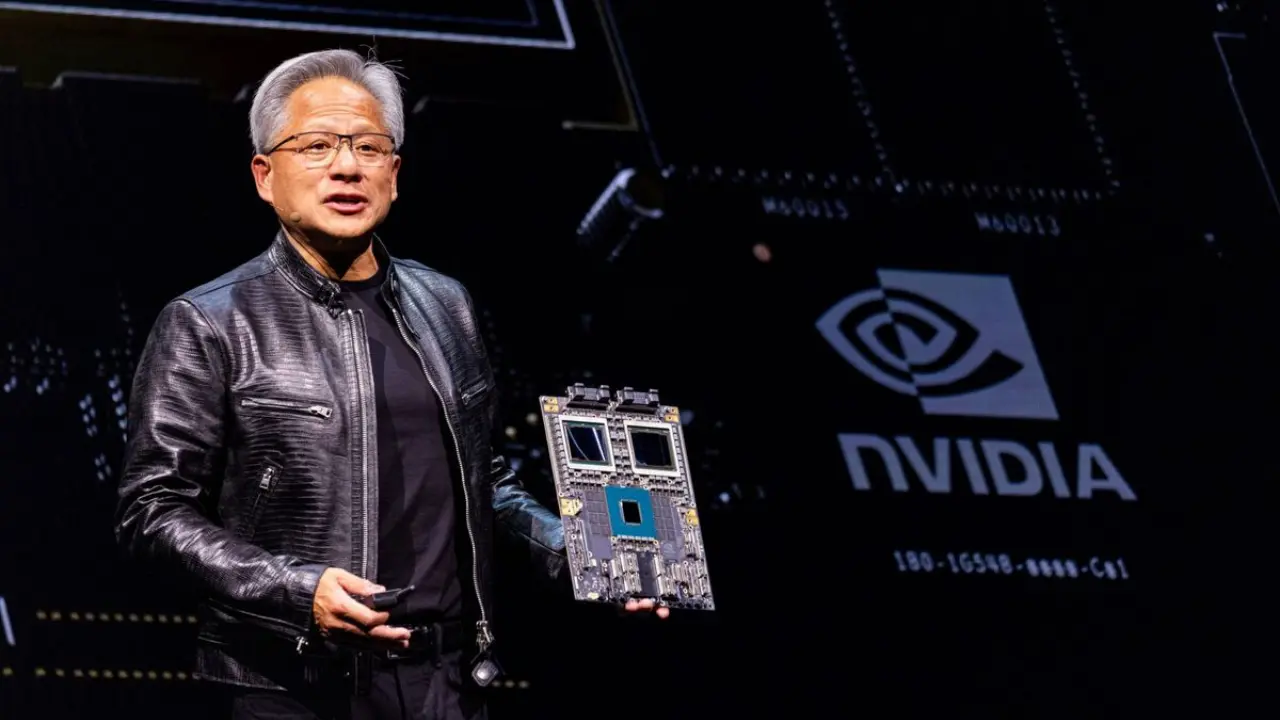
At CES 2026, NVIDIA’s iconic CEO Jensen Huang took the stage, not to unveil the next generation of gaming GPUs, but to showcase a future heavily invested in artificial intelligence and supercomputing. The company’s latest presentation highlighted groundbreaking technologies for autonomous vehicles and a massive new supercomputer architecture, signaling a clear strategic focus. These NVIDIA CES 2026 announcements have set the tone for the company’s direction in the coming years.
NVIDIA CES 2026 Announcements Focus on AI and Automotive
The star of the show was undoubtedly Alpamayo, a new open-source reasoning model designed to power the decision-making of autonomous vehicles. The Alpamayo 1 model, with its impressive 10-billion-parameter chain-of-thought structure, aims to enable vehicles to drive with human-like intuition. This system analyzes unexpected traffic situations by breaking them down into smaller problems and can even explain the reasoning behind its decisions at each step.
Furthermore, NVIDIA introduced a companion model named AlpaSim, which allows for the virtual testing of rare and dangerous driving scenarios that are difficult to replicate in the real world. The company announced that the first vehicle to feature this complete technology suite will be the 2025 model of the Mercedes Benz CLA.
Vera Rubin Supercomputer Enters Production
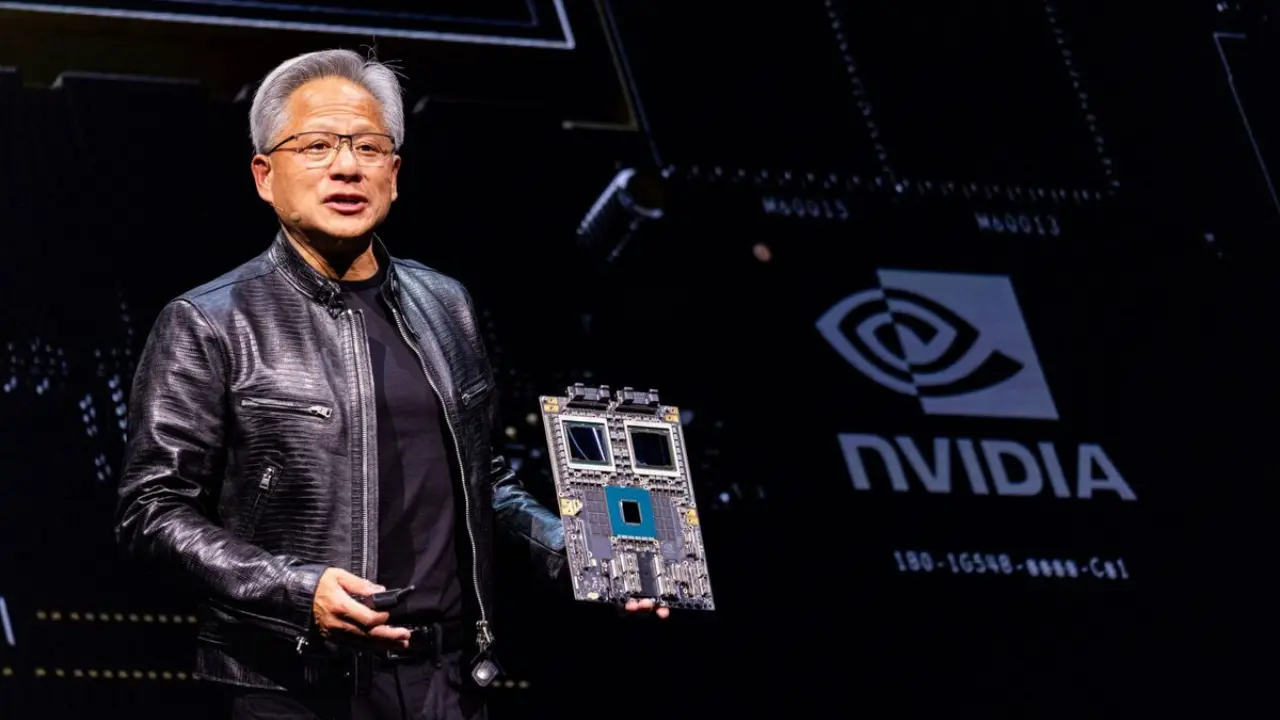
While the hardware segment was quiet on the consumer front, NVIDIA broke the silence with major news about its Vera Rubin architecture. First announced in 2024, the company confirmed that this powerful supercomputer architecture has now officially entered the production phase. The technical specifications are staggering: a single Vera processor boasts 88 custom Olympus cores, 1.5 TB of system memory, and a total of 227 billion transistors.
In addition, the Rubin GPU unit makes a statement with 336 billion transistors on its own. Each Vera Rubin supercomputer will be equipped with a pair of these powerful components, promising unprecedented computational power for AI and scientific research.
Silence for the Gaming Community
However, gamers watching the event were left disappointed. Throughout the presentation, Jensen Huang made no announcements regarding new graphics cards or other consumer electronics. While the possibility of a surprise reveal for a new RTX series remains before the end of CES, it seems NVIDIA has currently shifted its primary focus to corporate AI and the automotive industry.
So, what are your thoughts on NVIDIA’s focus on industrial solutions over gaming? Share your opinions with us in the comments!
Your comment has been submitted,
it will be published after approval.