
Apple OLED Screen Transition: The Full Roadmap Revealed

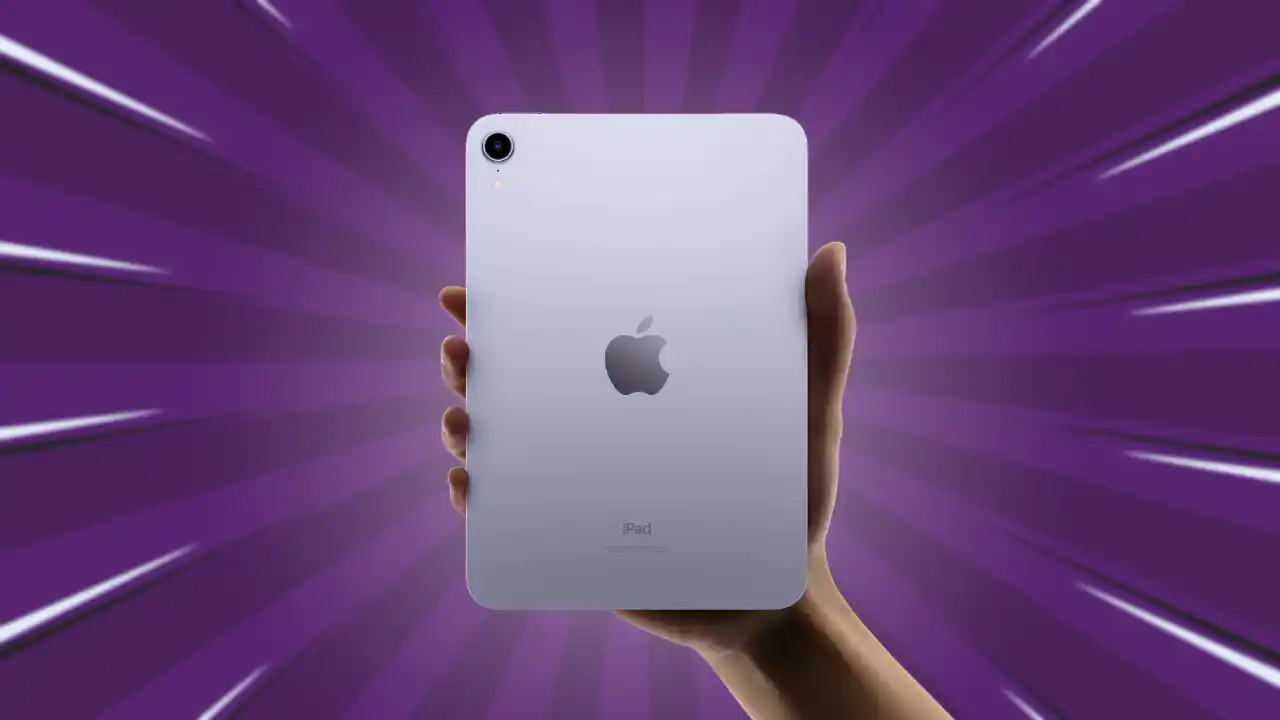
Apple is preparing for a significant visual upgrade across its product line with the Apple OLED screen transition. According to recent industry reports, the company plans to integrate this superior display technology into its flagship products, including the iPad, MacBook, and iMac, over the next few years. This strategic shift from traditional LCD panels promises to set a new standard in image quality, marking an exciting new era for Apple users.
Apple’s OLED Screen Transition Roadmap Detailed
Information from sources close to the company reveals a clear timeline for the shift to OLED screens. This transformation will be a gradual process, covering different product groups at different times. Furthermore, Apple’s current plan provides significant clues as to when users can expect to get their hands on these technologically superior devices. This will be the most substantial display technology update in the company’s product portfolio in recent years.
Here is Apple’s projected roadmap for OLED devices:
-
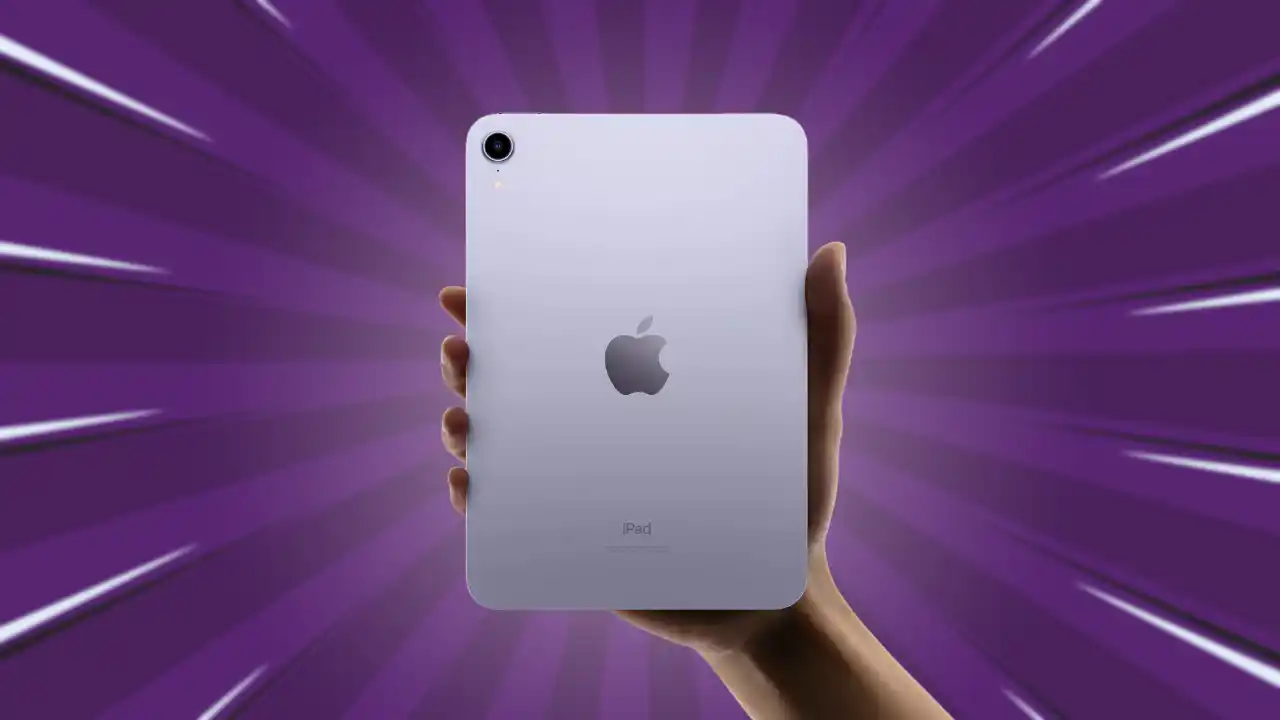
- iPad mini: The compact tablet is expected to be the first device to get an OLED screen, with the update slated for sometime in 2026.
-
- MacBook Pro: The powerful laptop series for professionals will switch to an OLED panel around late 2026 or early 2027. Some reports even suggest this model could feature a touch-sensitive OLED panel.
-
- iPad Air: The popular tablet model is scheduled for an OLED screen update in 2027.
-
- iMac: Apple’s all-in-one desktop computer may receive this technology by late 2027 or 2028.
-
- MacBook Air: As one of the world’s best-selling laptops, the MacBook Air is expected to be the last to make the switch, with the update planned for 2028.
Apple already successfully uses OLED technology in its iPhone models, the Apple Watch, and the latest iPad Pro series. The more advanced micro-OLED technology used in the Vision Pro particularly showcases the company’s vision for displays. Consequently, this new roadmap indicates a slow but steady departure from LCD technology, elevating the entire ecosystem to a higher standard of visual experience.
Why OLED is a Game-Changer for Apple Devices
So, what are the primary reasons behind Apple’s major technological shift? OLED (Organic Light Emitting Diode) panels offer numerous advantages over traditional LCD (Liquid Crystal Display) panels. These benefits not only provide better image quality but also directly impact the design and efficiency of the devices.
1. Unmatched Contrast and True Blacks: LCD screens require a constant backlight to illuminate pixels, which means black colors often appear as dark gray. In contrast, each pixel in an OLED panel produces its own light. This allows pixels to be turned off completely to display black, resulting in an infinite contrast ratio and true, deep blacks. This feature makes a revolutionary difference, especially for HDR content and professional photo/video editing.
2. Vibrant Colors and High Brightness: OLED technology supports a much wider color gamut, delivering incredibly vivid and accurate colors. Innovations like the Tandem OLED technology used in the new iPad Pros stack two OLED layers to significantly increase screen brightness and extend its lifespan. The introduction of this technology to MacBooks and iMacs could be a game-changer for professional users.
3. Energy Efficiency and Design Flexibility: By eliminating the need for a backlight layer, OLED panels are much thinner than their LCD counterparts. This allows Apple to design future devices that are even thinner and lighter. Additionally, because pixels are only lit when needed, energy efficiency is improved. This is especially noticeable when using dark mode, as black pixels consume no power, leading to a tangible increase in battery life.
Ultimately, Apple’s transition to OLED is more than just a technical upgrade; it’s a strategic move to maintain its position as a technology leader and enhance the premium experience it offers to its users.
So, what are your thoughts on Apple’s OLED strategy? Share your opinions with us in the comments!
Your comment has been submitted,
it will be published after approval.