
New Battery Technology Boosts Efficiency for Electric Vehicles

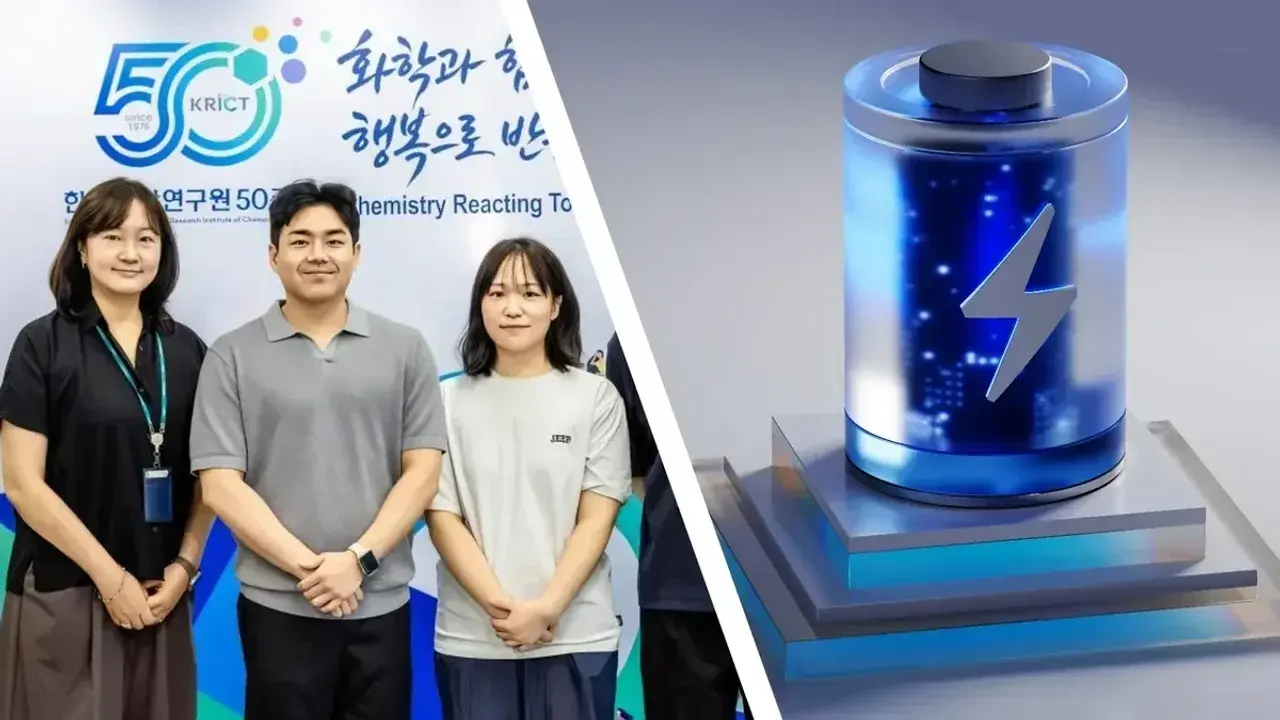
Scientists at the Korea Research Institute of Chemical Technology (KRICT) have achieved a significant breakthrough in battery science, potentially revolutionizing the performance of electric vehicle battery technology. By integrating small amounts of graphitic carbon nitride into the cathode of lithium-ion batteries, researchers have successfully enhanced ion flow during charging and discharging cycles. This innovative method addresses the longstanding technical hurdle of maintaining efficiency in thicker cathodes, which are essential for increasing energy density without altering the physical dimensions of the battery cell. The research marks a major advancement in power delivery and overall energy storage capacity for modern electronics.
- Researchers at KRICT improved ion mobility by incorporating graphitic carbon nitride into battery cathodes.
- Laboratory tests demonstrated a 166 percent increase in capacity during high-discharge operations.
- The new technology enhances power density by up to 2.85 times compared to standard industry models.
- This development enables the manufacturing of thicker battery cathodes without sacrificing energy efficiency.
Battery Performance Reaches New Heights
In standard lithium-ion batteries, ions migrate between the cathode and anode through an electrolyte. While thickening the cathode is a common strategy to increase energy storage capacity, it typically restricts ion movement and reduces efficiency. The KRICT team’s implementation of graphitic carbon nitride mitigates this issue by facilitating faster ion transport within the cathode structure, effectively minimizing energy loss during operation. 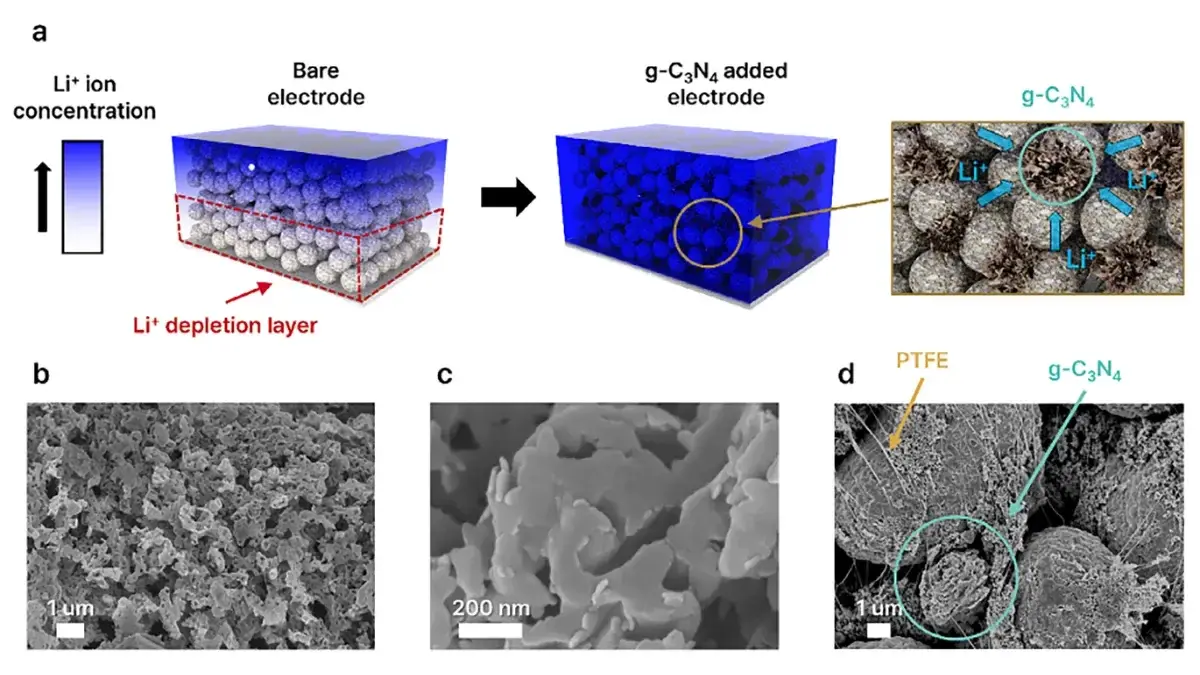
The experimental results indicate that this approach significantly benefits applications requiring high power output. Rather than merely increasing the nominal mAh rating, the technology ensures that the battery can deliver consistent, high-energy bursts under heavy electrical loads. This characteristic is crucial for maintaining performance stability in demanding environments where power consumption fluctuates rapidly.
Electric Vehicles Benefit From Increased Power
This advancement holds transformative potential for the electric vehicle industry. Vehicles equipped with this technology could maintain superior acceleration performance over longer durations without experiencing the rapid power degradation often seen in conventional systems. Furthermore, the ability to utilize thicker cathodes suggests that future batteries could store more energy within the same physical footprint, effectively extending the driving range of electric cars.
Beyond automotive applications, the technology offers distinct advantages for various high-drain devices. Home energy storage systems, which must manage the irregular power demands of major household appliances, could benefit from the enhanced stability provided by this design. Similarly, devices such as high-performance laptops, professional workstations, and professional-grade drones stand to gain from a more consistent and reliable energy supply during peak performance cycles.
Future Implementations Expand Across Industries
KRICT President Shin Seok-min noted that the technology is versatile enough to be applied across a broad spectrum of systems, ranging from consumer robotics to large-scale industrial energy storage. The focus of the research team is now shifting toward scaling the manufacturing process to ensure this technology can be integrated into commercial production lines.
As the industry moves toward more sustainable and high-capacity energy solutions, these developments represent a critical step in overcoming the physical limitations of current lithium-ion architectures. By optimizing the internal chemistry of cells, engineers are paving the way for more efficient, powerful, and durable energy storage solutions that will support the next generation of technological innovation.
How do you foresee this breakthrough in battery efficiency influencing the future of electric transportation and your own daily device usage; please share your thoughts in the comments section below.
Your comment has been submitted,
it will be published after approval.