
EPA Rule Ends Controversial Start-Stop System in Cars

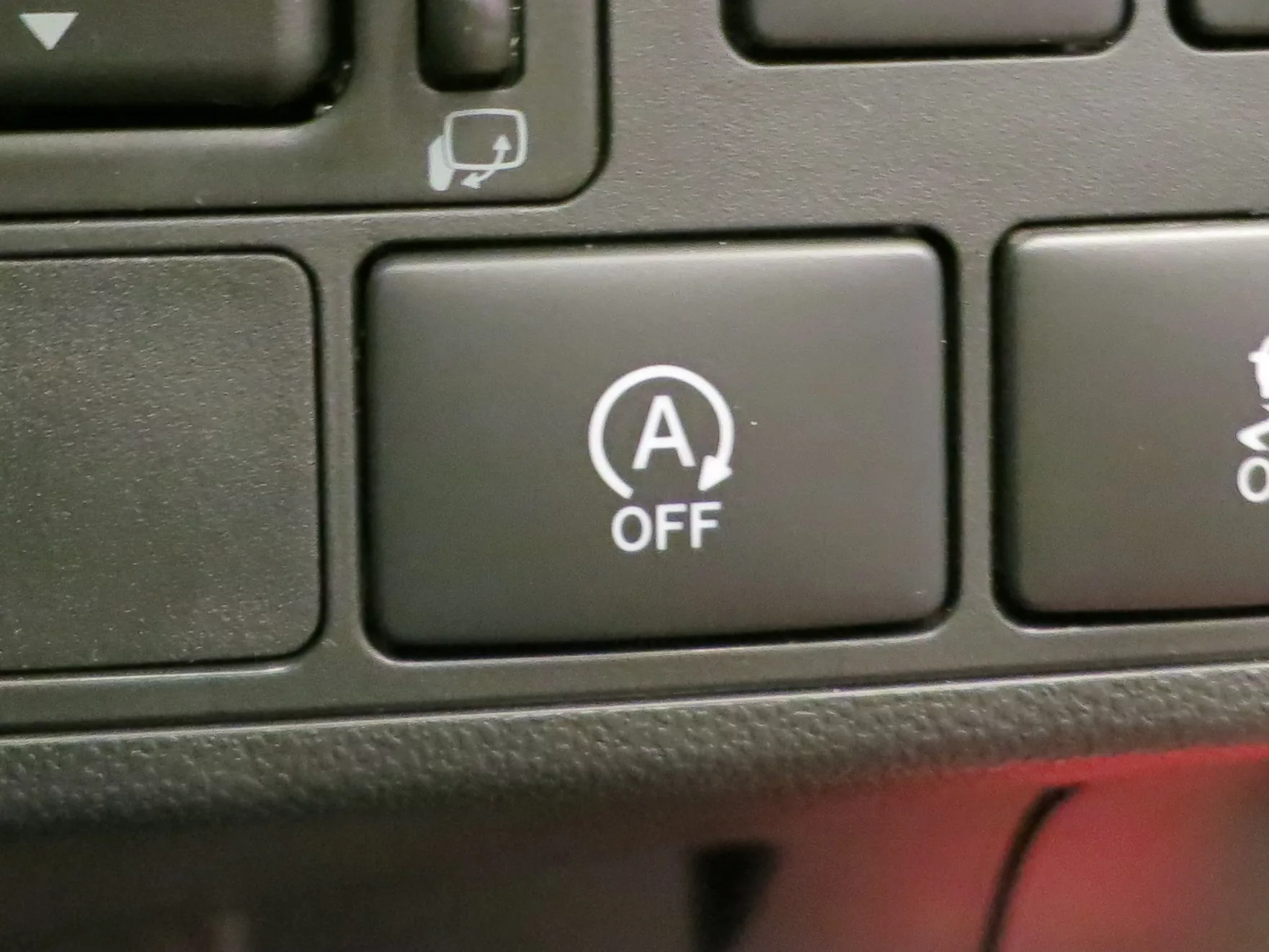
The controversial EPA start-stop system regulations are changing, effectively ending the era of engines shutting off at every red light in the United States. A new decision by the Environmental Protection Agency (EPA) and the federal government, effective from 2026, removes key incentives for automakers. This move signals a swift removal of the widely debated technology from new vehicles.
Why the EPA Start-Stop System is Being Phased Out
The core of this change lies in the elimination of a regulatory incentive system known as “off-cycle credits.” Until now, car manufacturers received environmental credits for installing start-stop systems, helping them meet overall emissions targets and avoid penalties, even if the real-world savings were debatable. However, the administration has now labeled the technology as a feature forced upon consumers for a “climate participation medal.” Officials argue that a majority of American drivers dislike the feature and disable it immediately after starting their car, suggesting its main purpose was to improve on-paper emission scores rather than provide tangible benefits.
With the new EPA rules finalized, these credits will be canceled. For manufacturers, the start-stop system will no longer offer any regulatory advantage. Instead, it will represent only extra costs, including more complex starter motors, expensive AGM batteries, and potential customer complaints. Consequently, with no economic or legal benefit remaining, the hardware is expected to be quickly removed from standard vehicle packages.
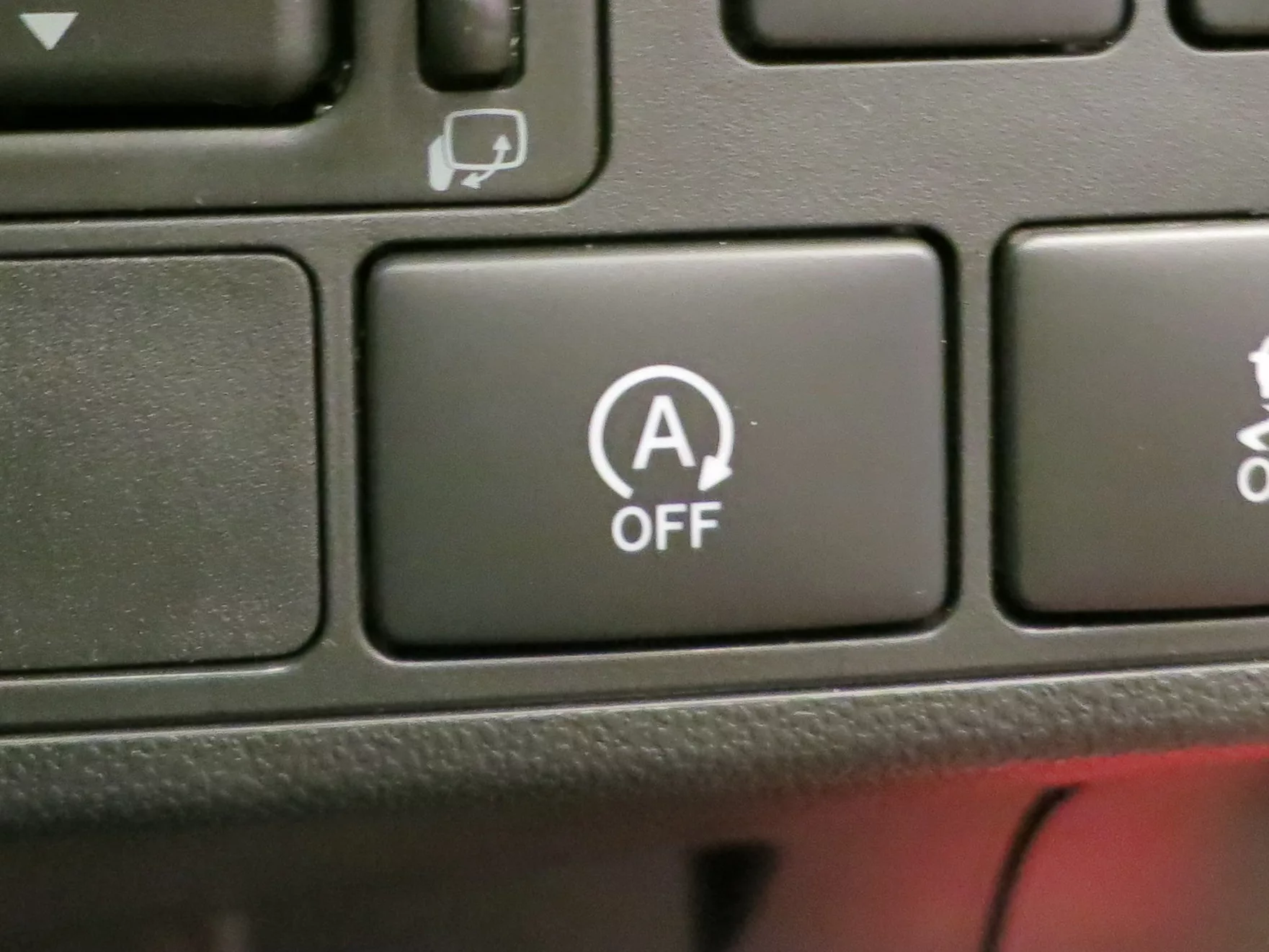
The Debate: Was It Truly Beneficial?
The decision to phase out the start-stop system has reignited a major technical debate within the automotive world about its actual usefulness:
- The Data: Independent studies have shown that start-stop systems can reduce fuel consumption by 4% to 9% in heavy urban traffic. When applied to millions of vehicles, this translates into a significant reduction in emissions.
- Cost and Wear: On the other hand, critics argue that the system places additional strain on the starter motor, battery, and engine bearings. Although these components are reinforced in modern vehicles, removing the system could lead to lower long-term maintenance costs for consumers.
This policy is part of a broader shift in U.S. automotive standards. The federal government is also relaxing the Corporate Average Fuel Economy (CAFE) standards. The previous target of an average of 50 mpg by 2031 has been lowered to 34.5 mpg. This reduces the pressure on manufacturers to maximize the efficiency of internal combustion engines, which could indirectly extend the lifespan of larger engines like V8s.
While this change in the U.S. market will undoubtedly influence global production lines, its immediate impact on other regions may be limited. The European Union, with its strict Euro 7 norms, maintains a much tougher stance on emissions. Therefore, the start-stop system is expected to remain a standard feature in European and Turkish markets for the foreseeable future. Nevertheless, this wave of deregulation in America could gradually change the global perspective on the technology.
So, what are your thoughts on the end of the start-stop system? Share your opinions with us in the comments!
Your comment has been submitted,
it will be published after approval.