
Galaxy S26 Ultra Privacy Screen Sets New Security Standard

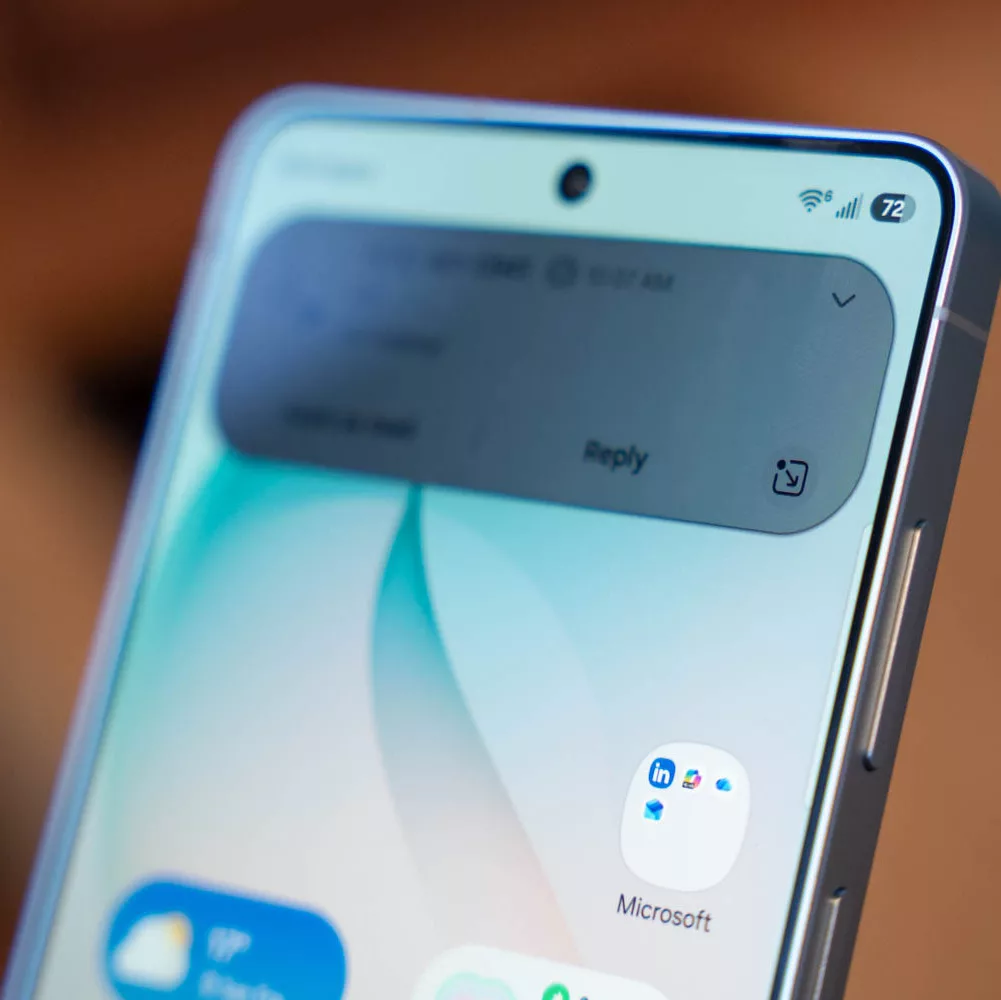
The new Galaxy S26 Ultra privacy screen is set to revolutionize mobile security after successfully passing a series of independent tests. Developed by Samsung Display, the groundbreaking Flex Magic Pixel OLED technology dramatically reduces screen visibility from side angles. This feature has now been officially certified by UL Solutions, a globally recognized independent testing organization, marking a significant shift in smartphone display standards.
How the Galaxy S26 Ultra Privacy Screen Works
According to detailed test results, the new OLED panel is remarkably effective at preventing visual hacking. When viewed from a 45-degree angle, the screen retains just 3.5% of its brightness. This figure drops even further to less than 0.9% at a 60-degree angle. In contrast, conventional smartphone screens typically maintain around 40% of their brightness when viewed from the side, making Samsung’s achievement a true game-changer. This means the screen’s content becomes virtually unreadable to anyone not directly in front of it.
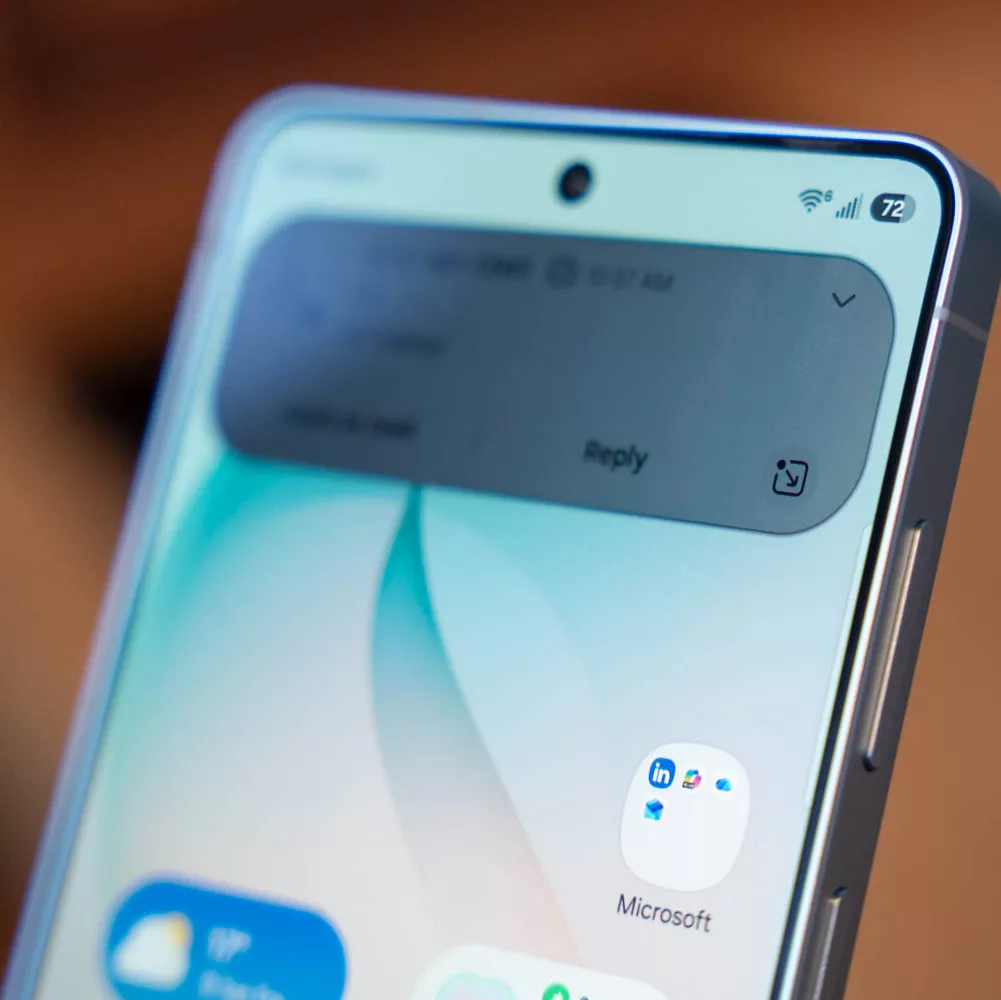
To achieve this level of privacy, Samsung Display re-engineered a critical component of the OLED structure known as the Black Matrix. This element, which separates the red, green, and blue sub-pixels, now functions as a multi-layered light-blocking system instead of a single layer. This sophisticated system, only a few micrometers wide, precisely controls how light is emitted from the sub-pixels, directing it forward while blocking it from escaping to the sides.
LEAD 2.0: Combining Privacy with Efficiency
Furthermore, this new structure has been integrated with Samsung Display’s LEAD platform, a polarizer-free OLED technology that enhances brightness and reduces power consumption. The resulting combined system, named LEAD 2.0, delivers both the Flex Magic Pixel privacy control and superior energy efficiency. Samsung also highlighted its commitment to this innovation, noting that the company has filed approximately 150 different patents related to this technology since 2020.
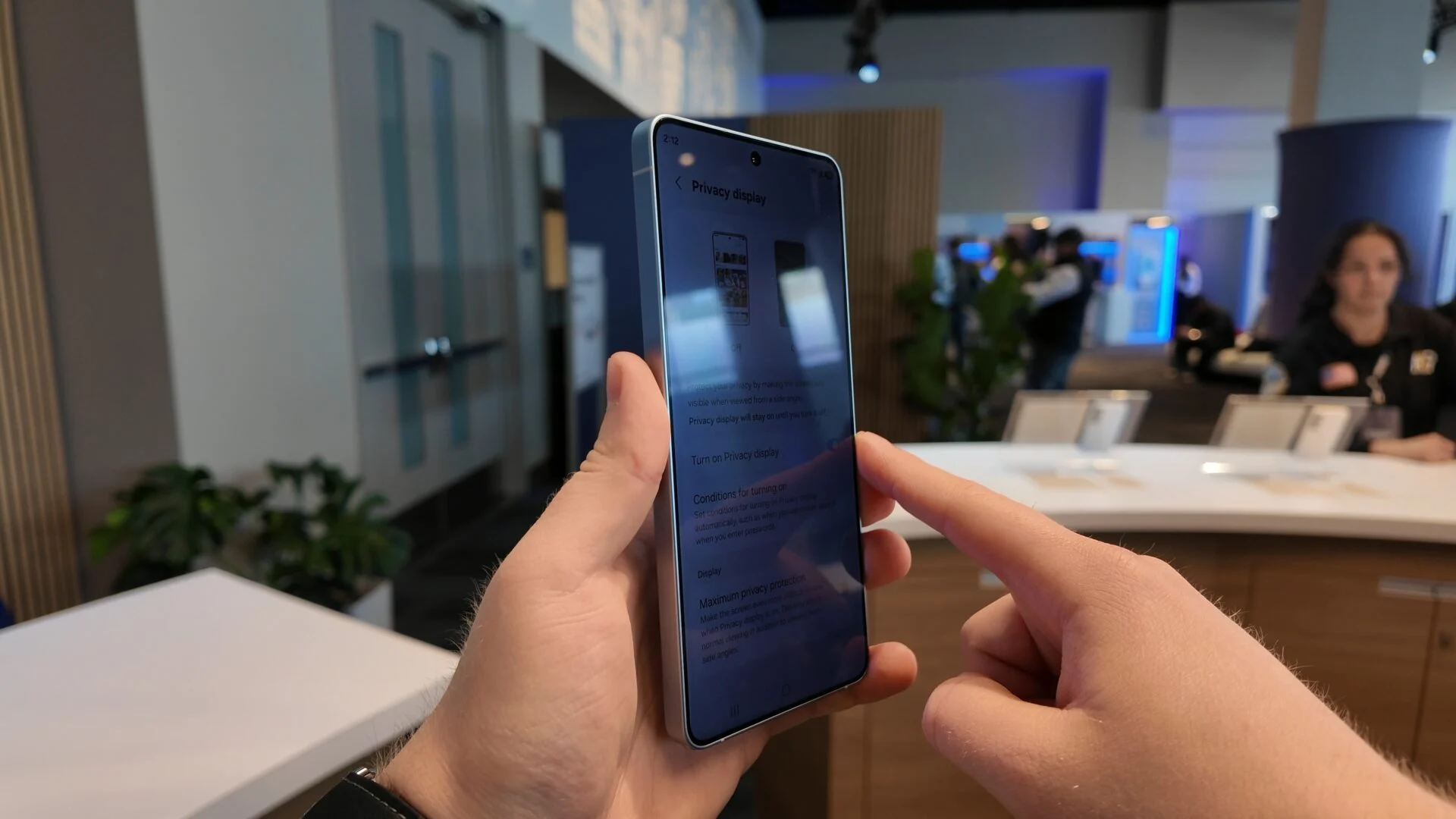
While the Galaxy S26 Ultra will be the first device to feature this advanced screen, its certification suggests a wider adoption is on the horizon. It is anticipated that other Android manufacturers, particularly from China, will incorporate this privacy-focused technology into their flagship models soon. This could signal a new industry-wide standard for screen security in the near future.
So, what are your thoughts on this new privacy screen technology? Share your opinions with us in the comments!
Your comment has been submitted,
it will be published after approval.