
BYD Loses Ground in Home Market! Tesla on the Rise

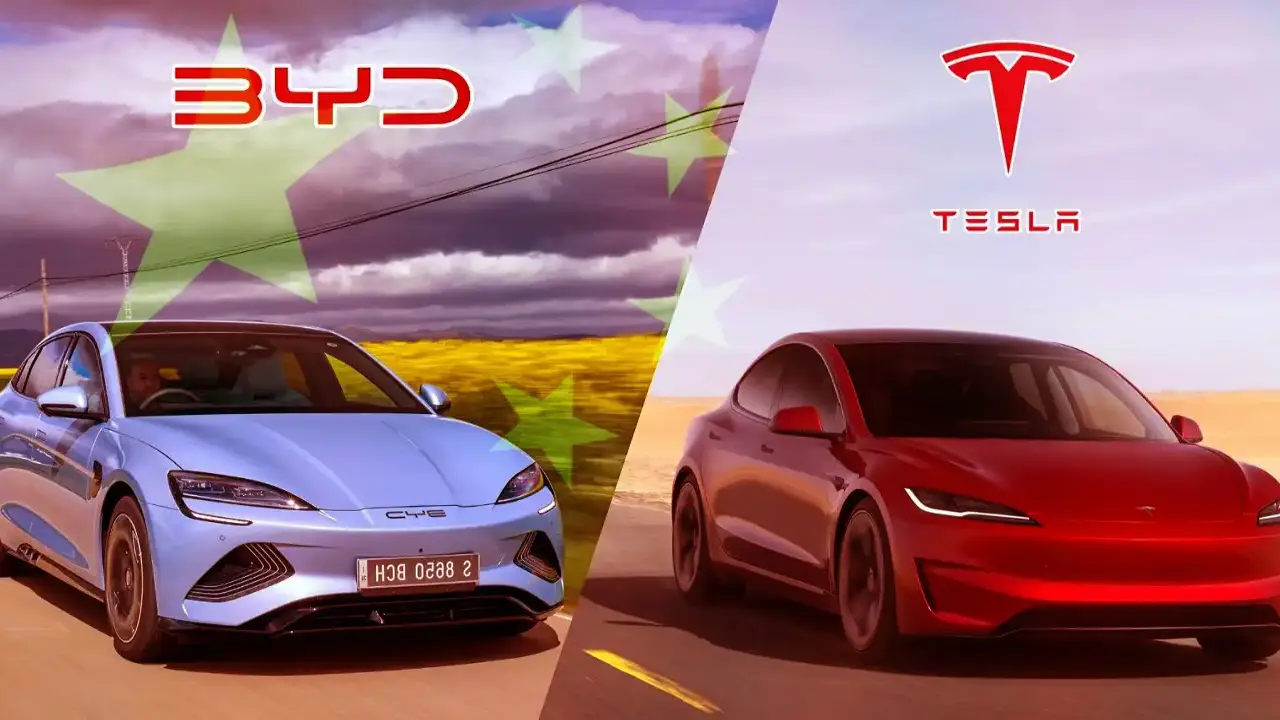
In China, the world’s largest automotive market, the fierce competition between electric vehicle (EV) manufacturers continues unabated. In the battle between BYD, the local giant that seized market leadership last year, and Tesla, the sector’s pioneer, the first months of 2026 have witnessed surprising shifts. Latest data indicates that the tide is once again turning in favor of the American manufacturer, while its biggest Chinese rival faces an unexpected downturn.
Tesla’s Shanghai Gigafactory Working Overtime
According to official statistics released by the China Passenger Car Association (CPCA), sales and delivery figures for electric vehicles produced at Tesla’s massive Shanghai Gigafactory gained significant momentum in January and February 2026. The company achieved a net year-on-year increase of over 35%, delivering a total of 127,728 units during this two-month period.
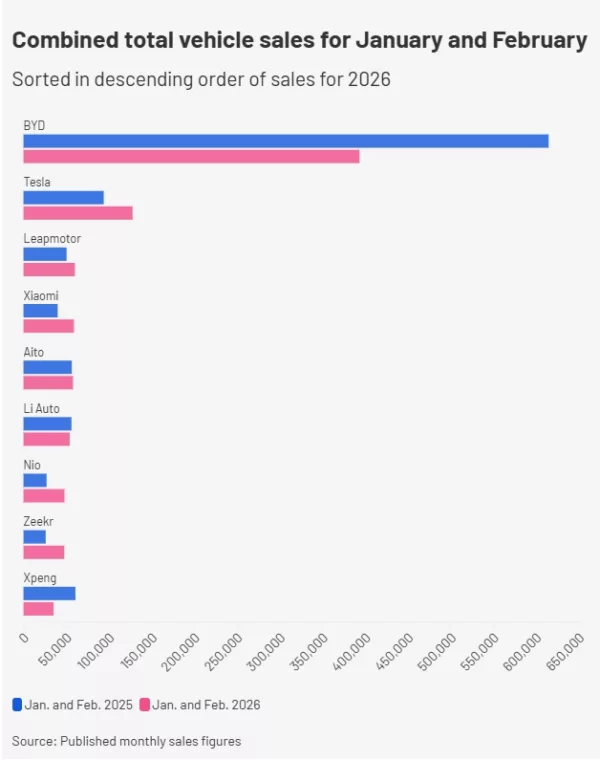
Considering that this figure stood at 93,926 during the same period last year, it is evident that Tesla’s aggressive pricing strategy and refreshed models are paying off. It is worth noting that while these figures represent Shanghai production, the facility also serves as a massive export hub for Europe and the Asia-Pacific regions.
Why Did BYD Hit the Brakes?
On the other side of the coin is BYD, which closed 2025 with global records and the title of the world’s largest EV manufacturer. In contrast to Tesla’s 35% rise, BYD’s deliveries during the same two-month period experienced a sharp 36% decline. What lies behind this sudden deceleration?
Industry analysts suggest that this drop is due to several intersecting factors:
- Seasonal Impact: The Chinese New Year holiday in February, which brings life to a standstill in the country, affected the entire automotive sector.
- Intense Local Competition: BYD is facing pressure not only from Tesla but also from local rivals like Geely, Leapmotor, and Xiaomi, which has stormed into the EV market.
- The Osborne Effect: The biggest factor is believed to be BYD’s own technological roadmap. The introduction of the revolutionary “Blade Battery 2.0,” capable of charging from 10% to 97% in just 9 minutes, has caused consumers to defer purchases of current models in anticipation of the new technology.
Price Wars and Future Outlook
As the Chinese government gradually phases out tax incentives and subsidies for electric vehicles, the competition is turning into a struggle for survival. Tesla relies on the established production efficiency of its Shanghai plant, while the industry watches closely to see how quickly BYD will recover this loss with the next-generation models it plans to launch this spring.
Do you think BYD’s “Osborne Effect” is a temporary setback or a sign of shifting loyalties in the Chinese market? Would you wait for the Blade Battery 2.0 or take advantage of Tesla’s current price cuts? Share your views in the comments!
Your comment has been submitted,
it will be published after approval.