
Nvidia CEO’s Defense of DLSS 5

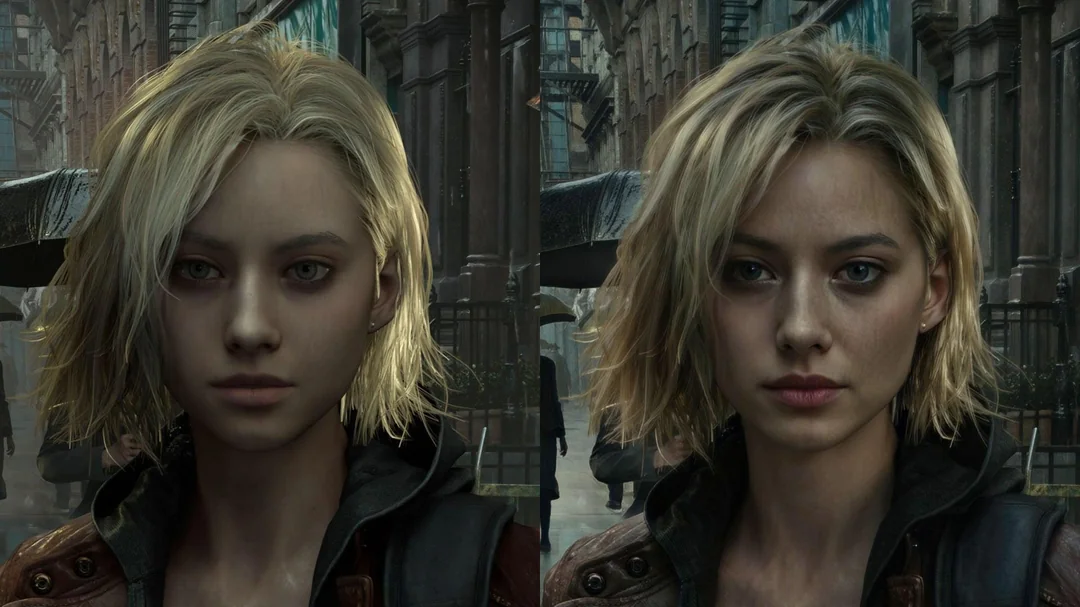
The gaming industry is undergoing a fundamental transformation with the incredible rise of artificial intelligence technologies in recent years. However, these revolutionary technologies are not always met with enthusiasm by players and critics. In particular, criticisms are increasingly being voiced that systems promising to increase visual quality and boost frame rates are killing the artistic soul of games and creating copycat “AI slop.” At the center of these debates is Nvidia’s next-generation DLSS 5 technology, announced at the GTC conference last week, which has sent shockwaves through the industry.
Nvidia CEO Jensen Huang, the figure at the focus of the criticisms, participated in Lex Fridman’s podcast to make sincere and surprising statements regarding this storm in the gaming world. Huang, who only a few days ago accused those criticizing DLSS 5 of being “completely wrong,” softened his tone during the program and validated the concerns of players—a move that resonated significantly in tech circles.
I Also Hate AI Slop
Taking an honest approach during the program, Jensen Huang admitted that the uncontrolled use of AI could damage artistic values. Huang stated: “Frankly, I think the critics’ perspective is logical and I understand exactly what they mean. Because I also absolutely hate that sloppy AI slop. I realize that all content produced with AI today is starting to look increasingly alike, so I can understand what players feel and why they are worried.”
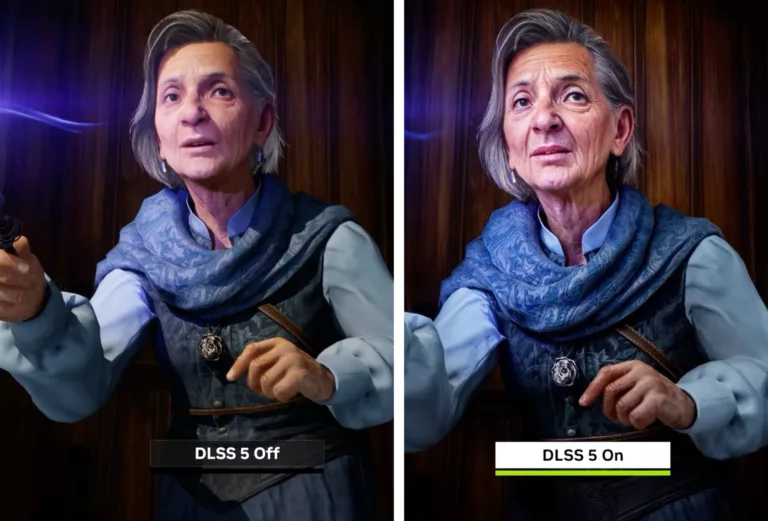
These words were evaluated as a critical turning point, showing that the tech giant is not just interested in selling hardware but also respects the fact that games are works of art.
DLSS 5: Not a Tool That Destroys Art, But One That Supports It
The issue Huang emphasized most was the fear that DLSS 5 would turn games into an automated AI factory. The CEO stressed that DLSS 5 is a structure that feeds directly from the original 3D data of the game and remains faithful to the artist’s vision:
“DLSS 5 is not a tool intended to turn games into an AI dump. On the contrary, this technology works based entirely on 3D modeling and structural data. The artist completely determines the geometry and outlines in the game; we remain faithful to that geometry to the letter in every frame. Our system draws power from the artist’s creativity and the original textures in the game. In other words, every frame is not changed by AI; it is only developed in a much higher quality.”
Unlimited Freedom and New Art Styles for Developers
According to Nvidia’s vision, DLSS 5 is not a system that ties the hands of game studios; on the contrary, it is a brush that opens new horizons. Huang gave a striking example of the system’s flexibility, stating that developers in the future could give DLSS 5 commands such as, “I want this game to take on a completely ‘cel-shaded’ graphic structure.”
In this way, game engines will be able to recreate that world seamlessly and in real-time in accordance with the reference styles determined by the artist. It was underlined that this entire process will be entirely at the initiative and control of the developers. In short, Huang threw the ball directly to the producers by stating that while Nvidia offers the technology, the decision of whether to turn it into a work of art or a soulless “AI slop” belongs to the game studios.
Your comment has been submitted,
it will be published after approval.