
AMD Delivers the Good News: Continuing with the AM5 Socket!

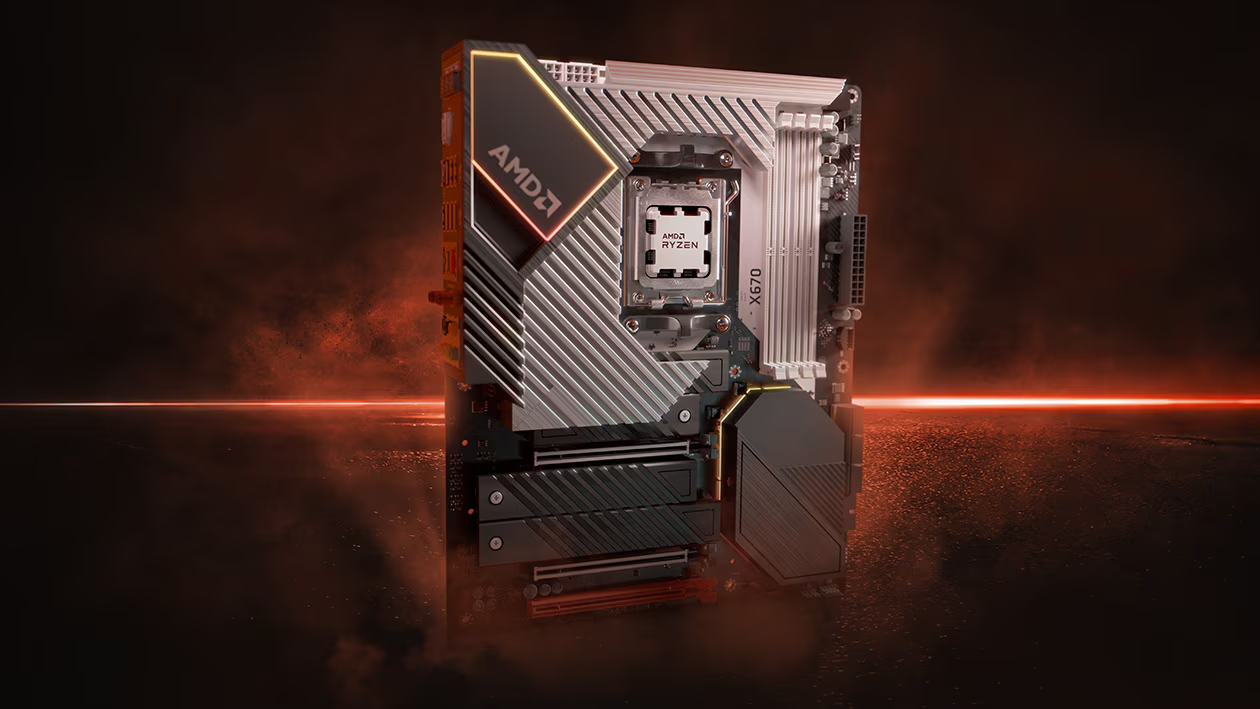
AMD is solidifying its strong position in the desktop PC and hardware market. By extending the lifecycle of its ecosystem, the company is capturing significant market attention. It has been clearly reaffirmed that the AM5 socket architecture will be supported for many years to come, offering a major cost-saving advantage for users looking to build new systems or upgrade existing ones.
From Zen 4 to Zen 6: AMD’s AM5 Socket Commitment Revealed
During the official announcement of the recently unveiled Ryzen 9 9950X3D2 Dual Edition processor, critical statements were made regarding the platform’s future. AMD executive Jack Huynh emphasized that long-term socket support is not merely a marketing tactic but a reliable commitment of loyalty to AMD customers.
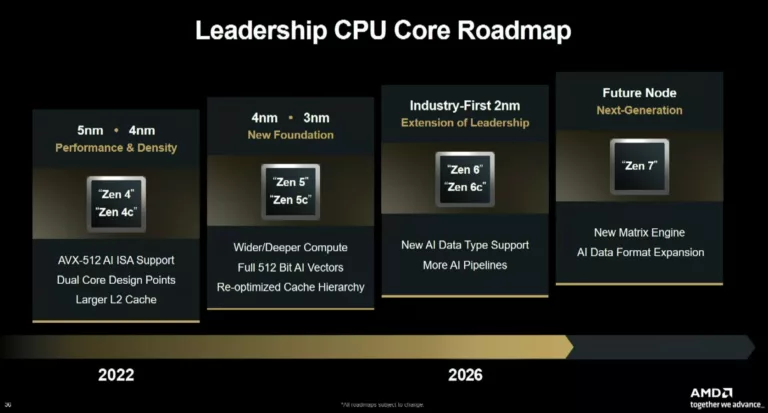
According to these official disclosures, AMD’s roadmap for next-generation processors is becoming crystal clear. Zen 4, Zen 5, and even the upcoming Zen 6 architectures will all be natively supported on the AM5 platform. This allows users to keep their systems up to date by simply upgrading their CPU without the need to replace their entire motherboard.
Protecting the Consumer’s Budget
In the tech world, replacing a motherboard is often a laborious, time-consuming, and expensive process. AMD’s long-term platform support directly helps consumers protect their budgets over the long run. The company’s successful motherboard strategies from previous years are now confirmed to continue with the current AM5 structure.
Key highlights of this strategy include:
- Longevity: AM5 is expected to remain the flagship socket through at least 2027-2028.
- Backward Compatibility: Existing 600-series (X670, B650) and the newer 800-series (X870E) motherboards will support future Zen 6 chips via BIOS updates.
- Market Competition: This move puts significant pressure on rivals who typically require a new socket every two generations.
AMD’s consumer-friendly approach is set to further heat up the competition in the desktop hardware market in the coming years. What do you think about this strategy? How important is long-term socket support to you when building a new system, and which processor are you currently using in your PC? Share your thoughts in the comments!
Your comment has been submitted,
it will be published after approval.