
Is the M4 Era Closing Early at Apple?

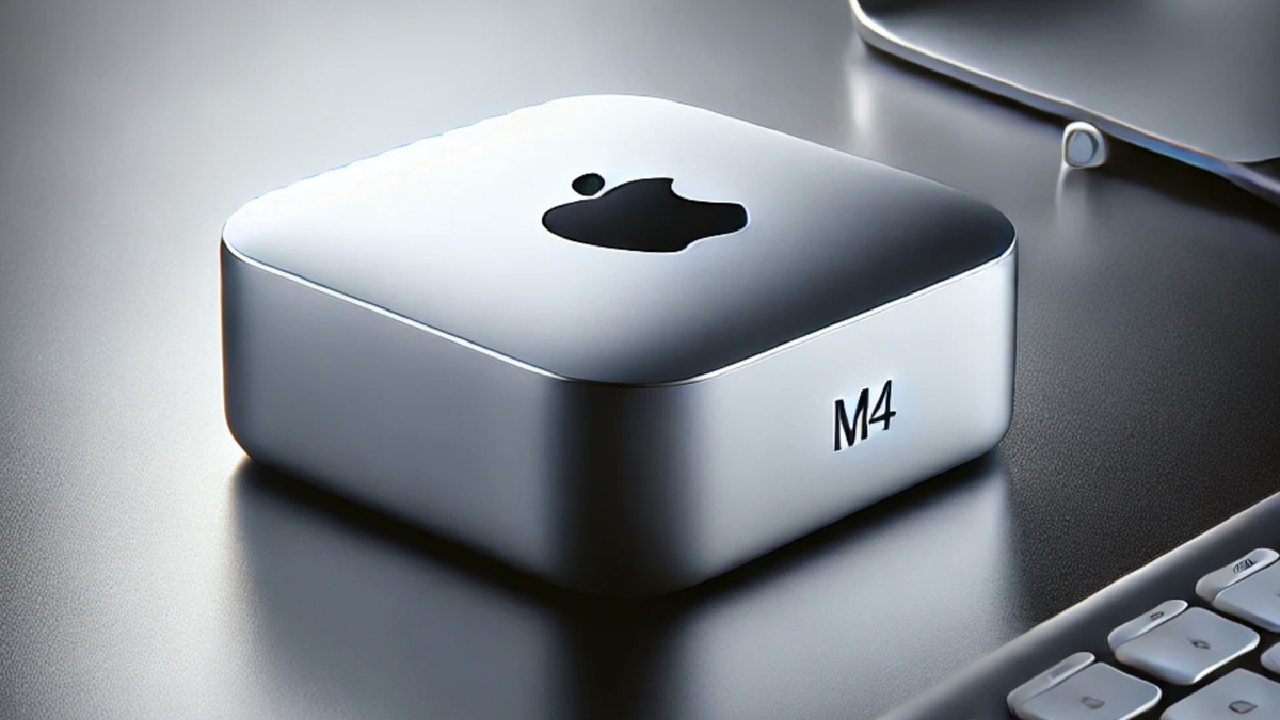
Apple is preparing for a new strategy that will shift the foundations of the hardware world. The Mac mini, which recently underwent a major redesign, and the Mac Studio performance powerhouse appear to be reaching the end of their lifecycle much sooner than expected. According to sources close to Apple, the company plans to quickly retire the M4 series and pivot directly toward the M5 processor architecture.
The M4 Mac mini: A Short-Lived Success Story
In late 2024, the Mac mini underwent its most significant design change in history, shrinking to a palm-sized form factor while significantly raising the performance bar with M4 and M4 Pro chips. However, Apple’s decision to accelerate its product cycle may keep this model’s shelf life shorter than anticipated. With the recent launch of M5-powered MacBook Pro and MacBook Air models in March 2026, reports suggest that Apple has already begun scaling back M4 production to make way for M5-based desktops arriving as early as WWDC in June 2026.
Mac Studio and the End of the Mac Pro
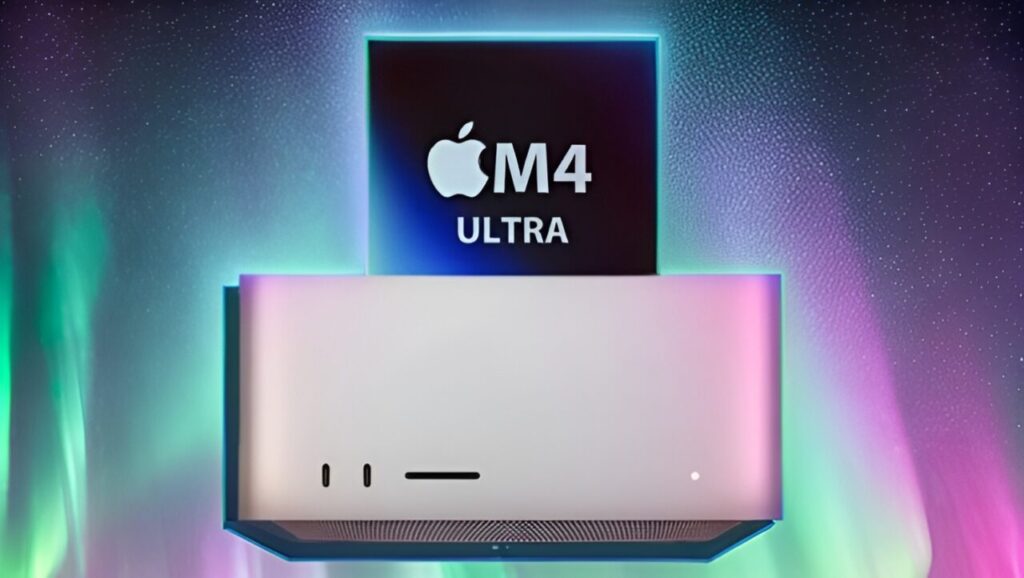
The radical decisions aren’t limited to the consumer segment; professional-grade desktops are also facing a major shift. Apple is reportedly focusing its professional desktop efforts entirely on the Mac Studio. Recent leaks indicating that Mac Pro production has been discontinued suggest that the Mac Studio will become Apple’s sole “professional desktop” solution.
Key Highlights of Apple’s New Roadmap:
- Rapid Arrival of M5: Apple is moving the M5 transition forward to better meet the high hardware demands of Apple Intelligence and AI-driven workflows.
- Streamlined Product Line: With the farewell of the Mac Pro, the top-tier performance segment will be entrusted entirely to the M5 Max and M5 Ultra versions of the Mac Studio.
- Form Factor Continuity: The new ultra-compact design of the Mac mini will be preserved in the M5 generation; the real change will occur internally on the logic board.
What Does This Mean for Users?
If you are currently planning to buy an M4 Mac mini or an M4-series Mac Studio, this move might classify your investment as “older technology” sooner than usual. Currently, shipping estimates for high-end M4 configurations have already stretched to 12-16 weeks, with some models being quietly removed from the store. This suggests that the “M4 Era” is indeed being phased out in favor of the M5 and macOS Tahoe standards arriving later this year.
Your comment has been submitted,
it will be published after approval.