
Apple Halts Vision Pro Development to Focus on Smart Glasses

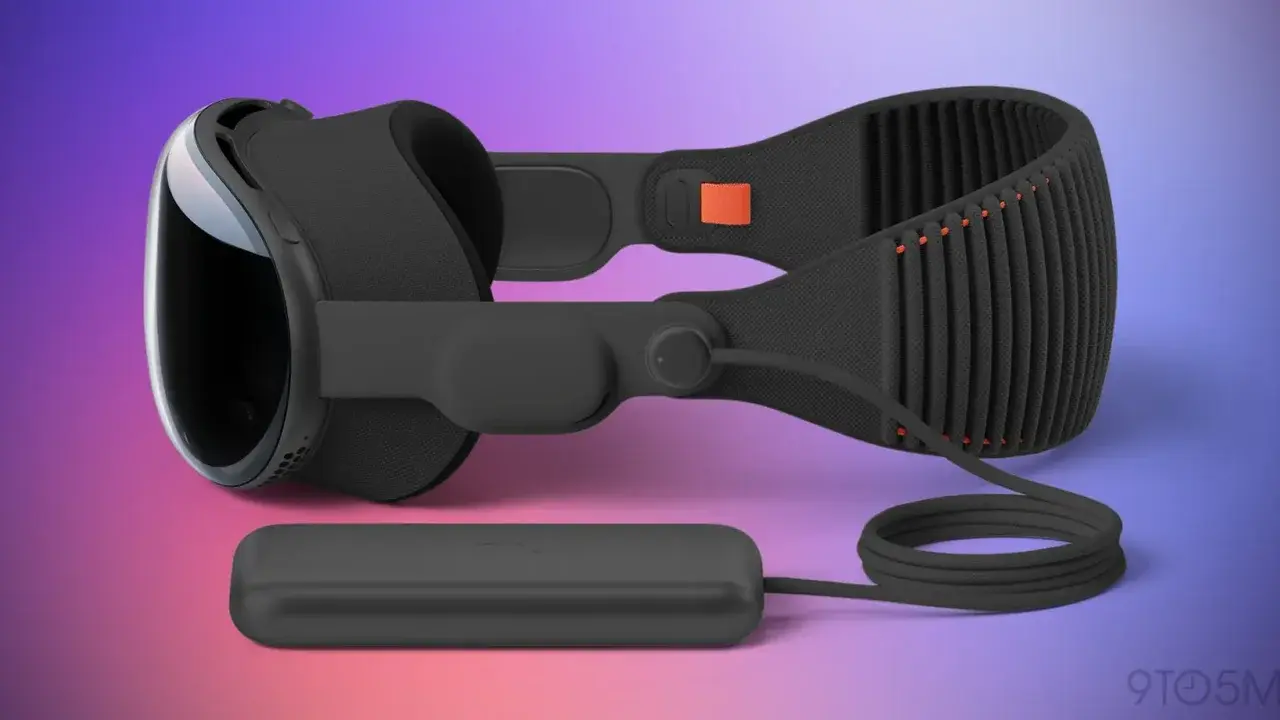
In a significant strategic pivot, Apple has decided to indefinitely suspend the development of its high-end Vision Pro and the rumored Vision Air headsets. According to insights shared by prominent industry analyst Ming-Chi Kuo, the company’s new leadership, under CEO John Ternus, has chosen to shift focus away from bulky mixed-reality hardware. This decision marks a major shift in the tech giant’s wearable technology roadmap, as the company moves to prioritize more accessible, lightweight, and everyday-friendly devices. By stepping back from its ambitious spatial computing headsets, Apple is signaling a new era for its consumer electronics division.
- Apple has officially ceased all development activities regarding future iterations of the Vision Pro and Vision Air headsets.
- CEO John Ternus has declined to approve further investments into the current mixed-reality hardware series.
- The company is now prioritizing the launch of an AI-powered smart glasses product by the end of 2027.
Apple Shifts Its Strategic Focus Toward Smart Glasses
Following the abandonment of its premium headset projects, Apple is realigning its research and development resources toward the smart glasses category. Reports from Bloomberg journalist Mark Gurman suggest that the company is aiming for a late 2027 release window for this new wearable. Unlike the high-cost Vision Pro, this upcoming product is designed to appeal to a significantly broader consumer base, with an anticipated price point ranging between $200 and $500.
This pivot indicates that Apple is ready to trade complex hardware for mass-market adoption.
By targeting the mass market, Apple aims to overcome the significant barriers to entry that limited the success of the Vision Pro. The transition reflects a broader industry trend where users prefer unobtrusive, fashionable technology over heavy, isolated hardware experiences. 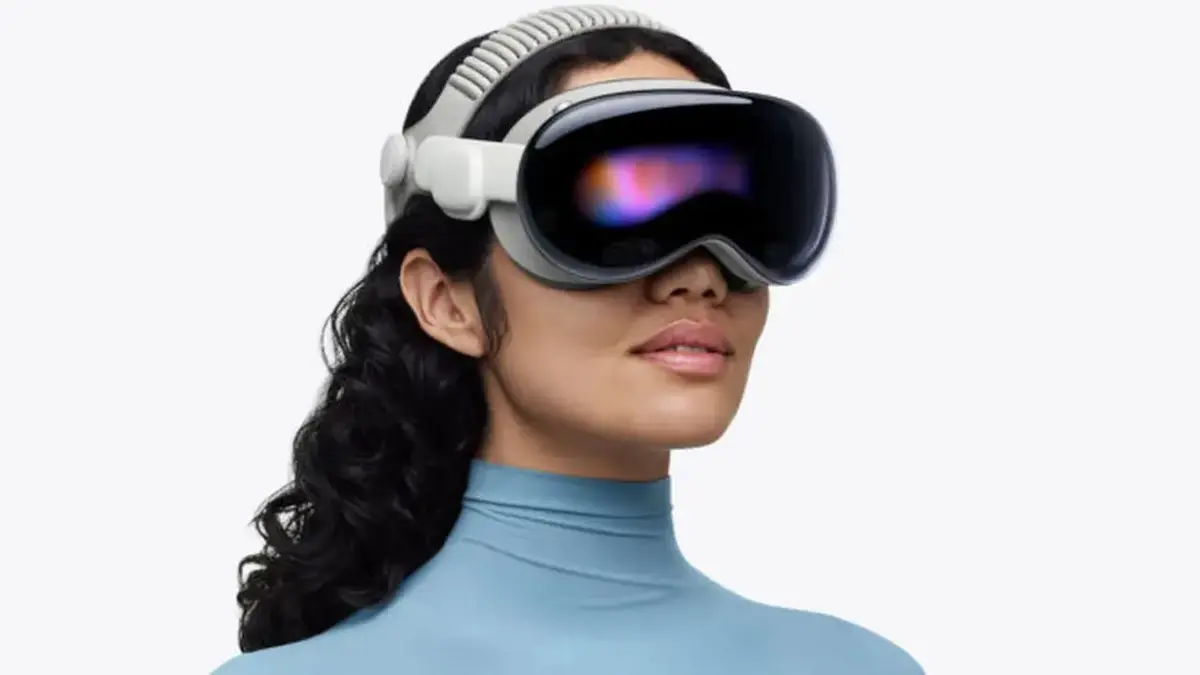
New Hardware Capabilities Are Currently Being Defined
The emerging smart glasses project is expected to feature advanced integrated cameras, allowing users to capture photos and videos seamlessly. Beyond visual capture, the device will incorporate high-quality microphones and speakers to support phone calls and media playback on the go. The most compelling aspect of the device will be its deep integration with next-generation Siri, powered by sophisticated artificial intelligence models.
This AI-driven Siri will reportedly analyze the user’s surroundings through the camera, offering real-time data, navigational assistance, and contextual information. By offering the device in various frames and colors, Apple intends to position the smart glasses as a stylish lifestyle accessory rather than a purely technical tool. The company hopes to distill the essence of the spatial computing experience into a lightweight, comfortable form factor that users can wear throughout the entire day.
Apple’s radical change in strategy could define the next decade of wearable technology innovation.
The shift represents a calculated risk, moving away from the expensive, niche market of virtual reality towards the high-volume potential of wearable AI. As the competition in the smart eyewear segment intensifies, Apple’s ability to leverage its ecosystem will be the ultimate test of this new direction. Investors and tech enthusiasts alike are watching closely to see if this pivot can capture the same magic that once defined the company’s most iconic product launches.
Do you believe Apple’s decision to move away from expensive headsets in favor of more accessible smart glasses is the right strategic move for the company? We would love to hear your thoughts on what you expect from Apple’s 2027 smart glasses launch in the comments section below.
Your comment has been submitted,
it will be published after approval.