
Unreleased Nvidia GeForce RTX 3050 Ti Prototype Surfaces Online

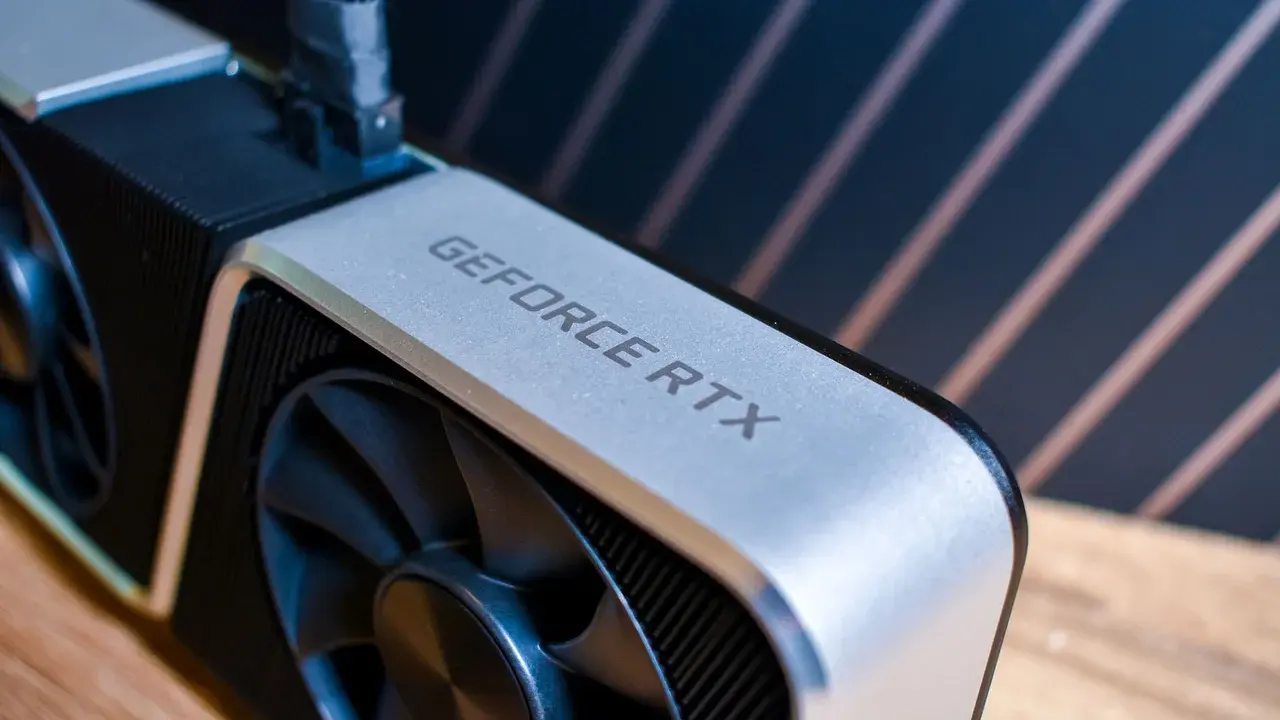
Recent leaks from hardware enthusiast Gok have unveiled that a desktop version of the Nvidia GeForce RTX 3050 Ti was developed as a functional prototype before being abandoned. Although Nvidia successfully launched a laptop variant of this model, the desktop iteration never reached retail shelves. Industry analysts suggest that the combination of the global semiconductor shortage during the COVID-19 pandemic and the intense demand from the cryptocurrency mining sector likely forced the company to cancel the project. This discovery provides a rare glimpse into a missed opportunity that could have significantly reshaped the entry-level graphics card market during the Ampere generation.
- The prototype utilizes the GA106 graphics processor featuring 26 active streaming multiprocessors.
- Performance benchmarks indicate the card sits between the RTX 3050 and the RTX 3060 models.
- The hardware includes 6GB of GDDR6 memory paired with a 192-bit interface for increased bandwidth.
Technical Specifications Define the Prototype Capabilities
Developed by the firm Robiny, the engineering sample is identified by the PG190 SKU 40 board design. The card is built upon the GA106 silicon, which is the same foundation used for the RTX 3050 and the RTX 3060. While the full GA106 chip typically supports 30 streaming multiprocessors, this specific configuration limits the count to 26. 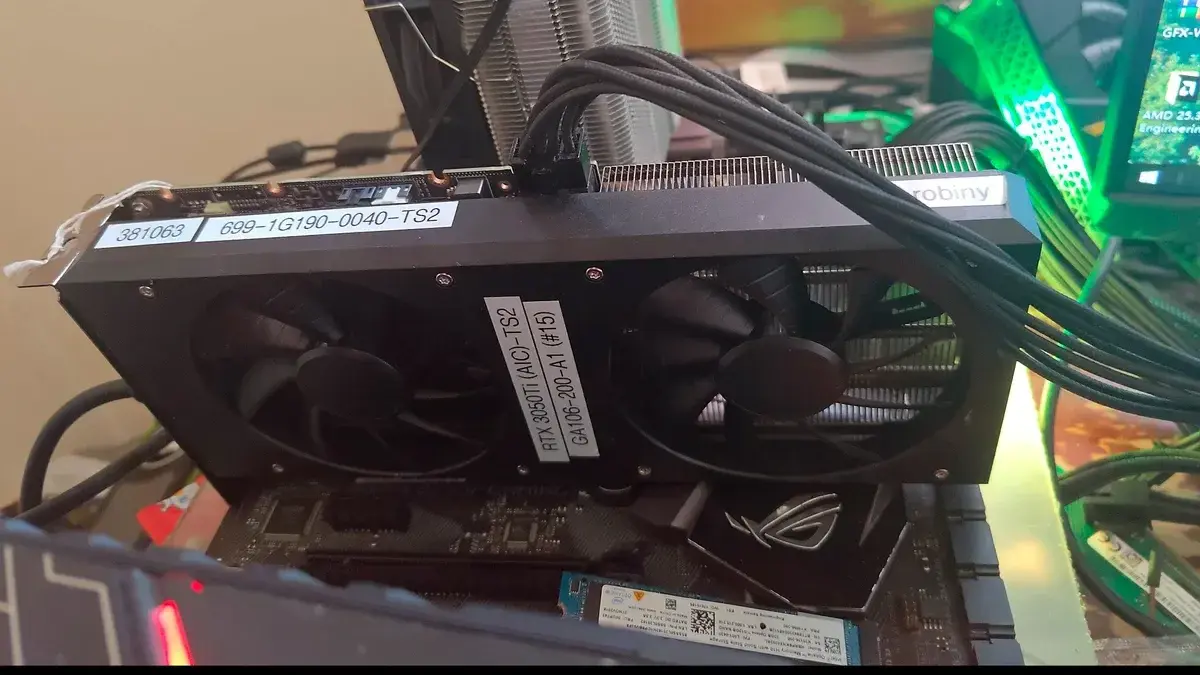 This architecture results in a total of 3,328 CUDA cores, ensuring the card delivers a distinct performance tier between existing market options.
The integration of 14 Gb/s GDDR6 memory modules enables a 192-bit bus, providing 50 percent more bandwidth than the standard RTX 3050.
Performance Benchmarks Reveal Balanced Potential
In terms of synthetic performance, the prototype achieved a 3DMark Time Spy score of 7,787 points. 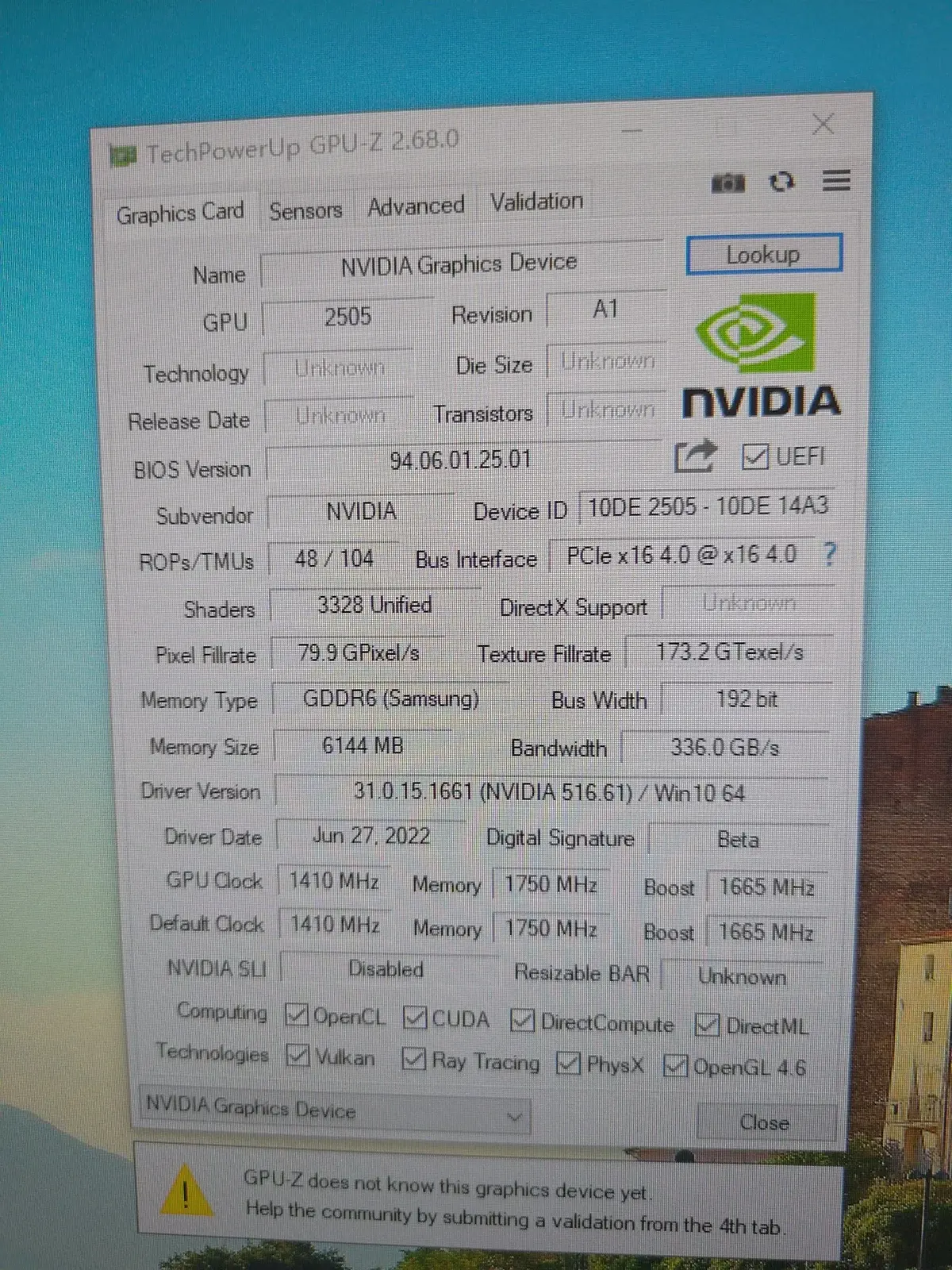 This result positions the card approximately 13 percent slower than the RTX 3060, yet it maintains a notable 22 percent performance advantage over the baseline RTX 3050. Despite these favorable metrics, the 6GB memory capacity remains a limiting factor compared to the 8GB or 12GB configurations found in other 30-series counterparts.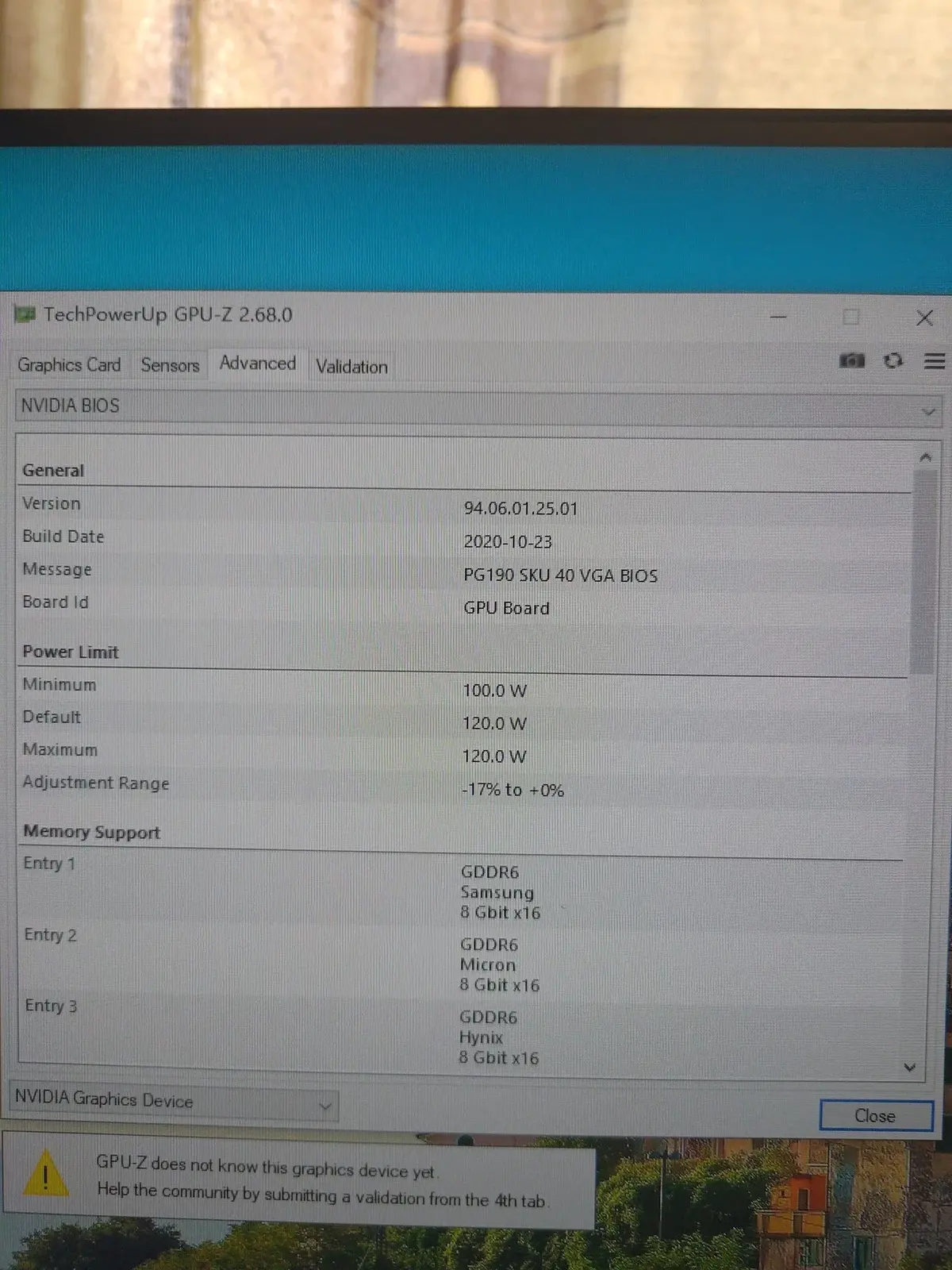
Market research suggests that a planned retail price of 289 dollars would have perfectly filled the gap between the 249-dollar RTX 3050 and the 329-dollar RTX 3060. 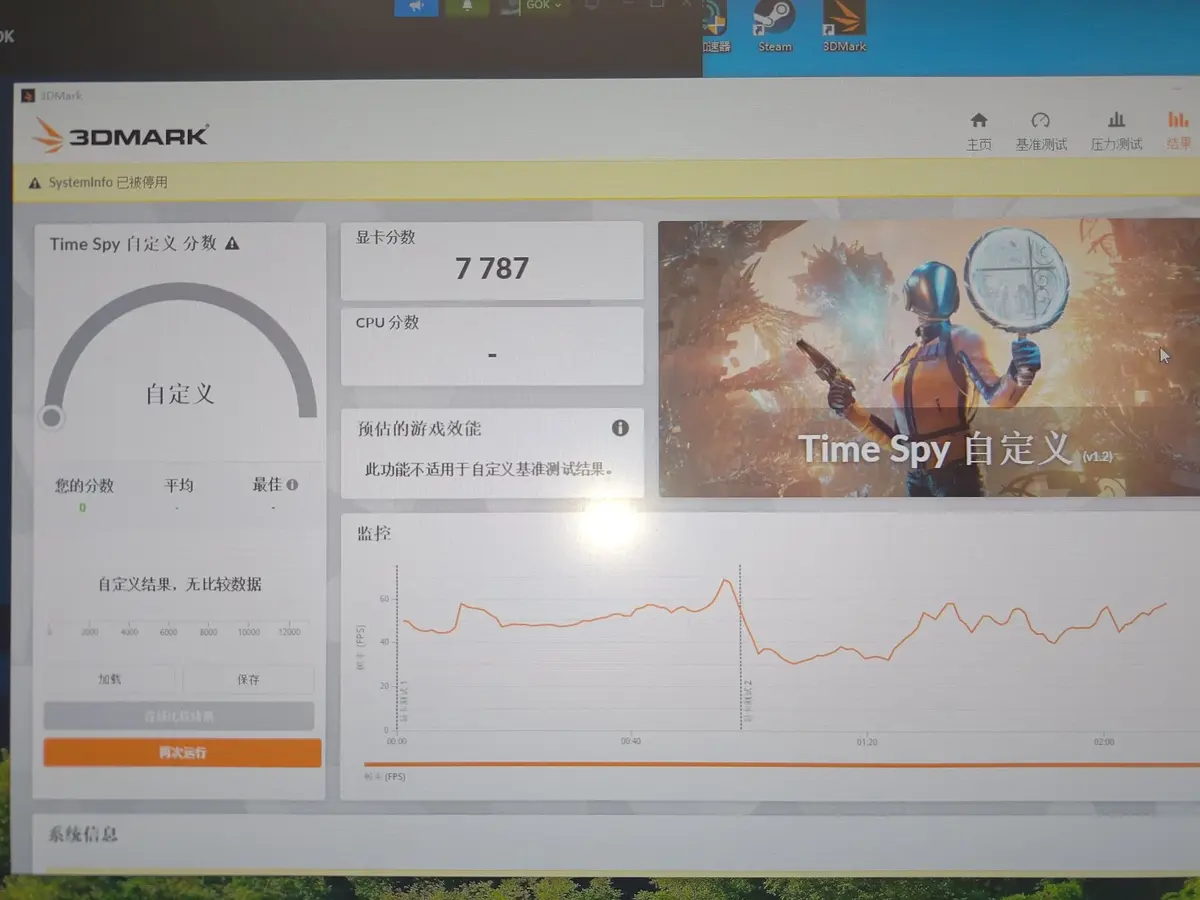 The absence of this card left a void in the mid-range segment that many budget-conscious gamers were eager to fill during the height of the GPU shortage.
Had this model been released, it could have served as the ideal solution for 1080p gaming enthusiasts during a period of limited hardware availability.
Given the current landscape of the graphics card market, do you think Nvidia should have proceeded with the launch of the RTX 3050 Ti, or was the 6GB memory limitation too significant a drawback? Share your thoughts in the comments section below.
Your comment has been submitted,
it will be published after approval.