
Google Home Integrates Claude and AI Models via MCP

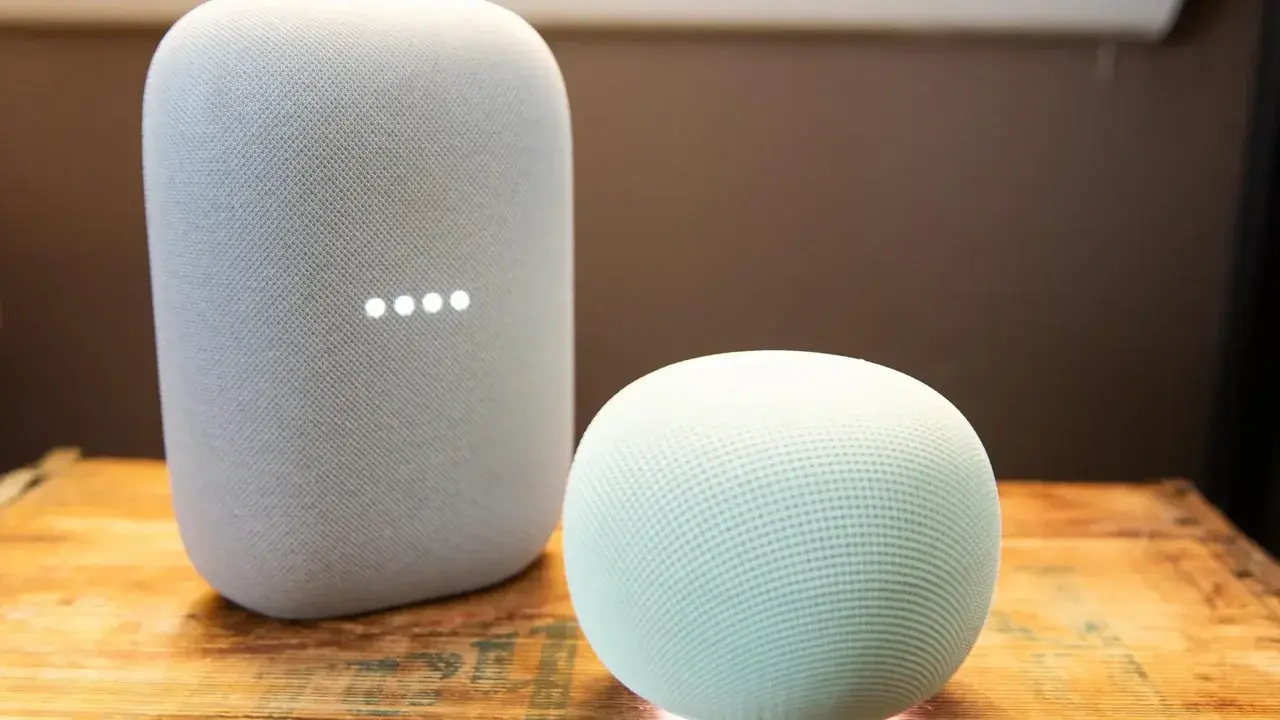
Google has announced a major expansion for its Google Home platform, introducing support for the Model Context Protocol (MCP) to enable integration with third-party artificial intelligence models, including Claude. This significant update, which is scheduled for release in the coming weeks, allows the smart home ecosystem to move beyond its reliance on Gemini alone. By adopting this open-source standard, Google is enabling users to connect various AI agents directly to their home automation systems. The initial rollout will be available as an early preview for users in the United States who maintain a Google Home Premium Advanced subscription.
- The integration of the Model Context Protocol allows Google Home to interface with third-party AI models like Claude.
- Users will gain the ability to manage smart home devices, cameras, and automation workflows through preferred AI agents.
- The feature currently requires a Google Home Premium Advanced subscription for initial access.
- Google plans to initiate the rollout through an early preview program exclusively for United States residents.
Smart Home Ecosystems Gain New Flexibility
The implementation of the Model Context Protocol serves as a bridge between complex AI reasoning and physical smart home hardware. As an open-source standard, MCP facilitates seamless communication between artificial intelligence models and local or cloud-based applications. This technical foundation ensures that data can be securely and efficiently exchanged between the home network and external AI interfaces.
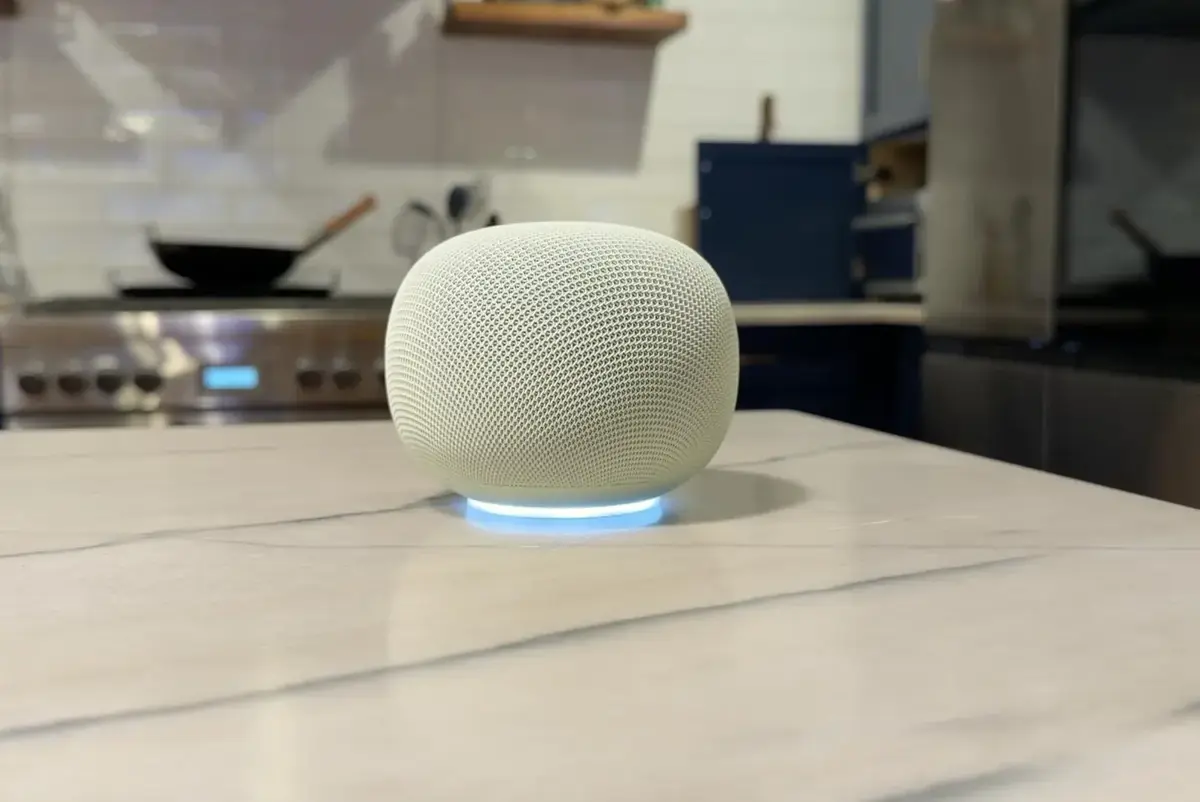
By incorporating this protocol, Google Home is evolving into a central hub that supports diverse AI ecosystems rather than a closed-loop environment.
Users can expect to interact with their smart homes using more sophisticated natural language processing capabilities. Beyond standard control functions, the system allows for the creation of customized dashboards and complex monitoring tasks that were previously difficult to automate. Whether using Claude or other specialized AI agents, the platform offers unprecedented flexibility for managing lighting, security cameras, and thermostat settings through a unified interface.
Early Access Programs Begin Soon
The strategic move to open the platform signals a shift in how tech giants approach smart home interoperability. While the early preview is limited to a specific region and subscription tier, it sets a precedent for a more modular smart home architecture. Google has indicated that further details regarding the full functionality and expansion of this preview will be disclosed as the development progresses. The company aims to gather user feedback during this phase to refine the integration process for a broader audience.
As the smart home market matures, the ability to tailor automation experiences to individual preferences becomes a primary differentiator. By allowing third-party AI models to access home data, Google is positioning itself as a foundational layer for the future of ambient computing. This transition represents a departure from proprietary control, moving toward an era where interoperability defines user satisfaction.
We are curious to hear your thoughts on integrating advanced AI assistants like Claude into your daily home management routines; please share your perspective in the comments section below.
Your comment has been submitted,
it will be published after approval.