
CXMT DDR5 Memory Pricing Myths and Market Realities Exposed

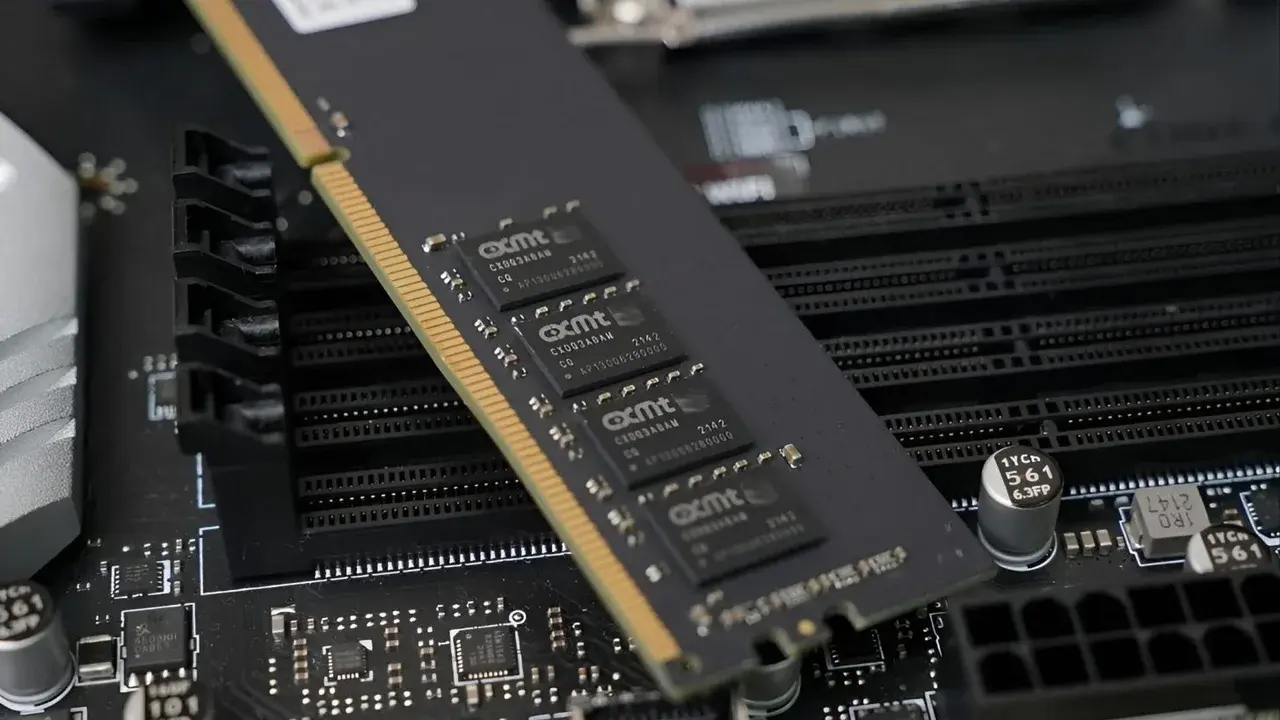
Recent reports from industry insiders at Computex indicate that the widely held belief regarding the affordability of CXMT DDR5 memory is inaccurate. Contrary to popular market sentiment, the Chinese DRAM manufacturer is not significantly undercutting the pricing strategies established by dominant global players such as Samsung, SK Hynix, and Micron. While many consumers expected a major budget-friendly alternative from the emerging manufacturer, market analysts confirm that CXMT currently aligns its DDR5 pricing closely with international competitors. This revelation clarifies that the company’s competitive edge within the volatile DRAM market does not stem from cost-cutting, but rather from distinct operational advantages in its supply chain management.
- CXMT DDR5 memory modules are currently priced similarly to those offered by industry leaders like Samsung and Micron.
- The company leverages superior supply chain flexibility rather than aggressive price reductions to attract partners.
- CXMT is focusing its production capacity on standard DRAM instead of premium AI-oriented solutions like HBM.
- Technological benchmarks show that CXMT still trails major competitors in premium segment memory performance.
The primary advantage for manufacturers partnering with CXMT lies in the absence of rigid payment demands and punitive supply restrictions.
Operational Flexibility Defines the Market Strategy
While global memory giants often impose strict payment schedules and penalty clauses to maintain tight control over inventory, CXMT adopts a more lenient approach. Because the company does not prioritize HBM or SOCAMM for specialized artificial intelligence applications, it maintains a greater capacity for standard DDR5 production. This strategic choice allows CXMT to act as a more agile partner for firms struggling with the rigid requirements of larger suppliers. 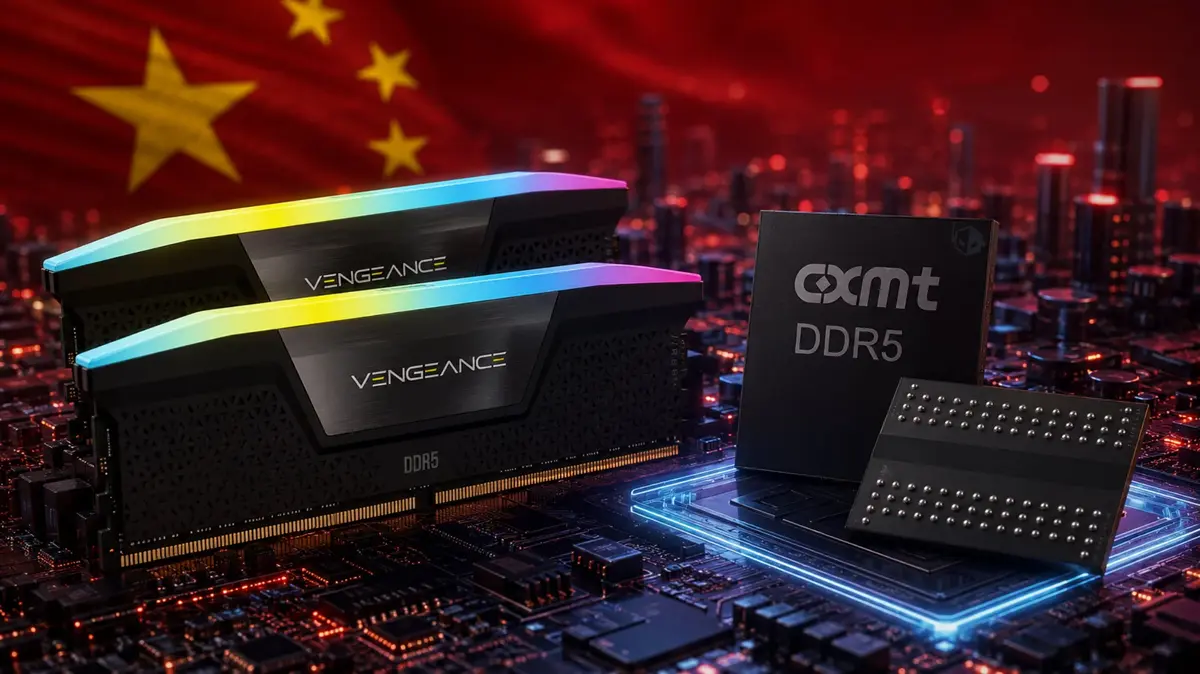
By avoiding the high-stakes competition for premium AI-focused silicon, CXMT ensures that its production lines remain dedicated to volume and consistency. This makes them a viable alternative for companies seeking to avoid the supply chain bottlenecks frequently experienced with dominant international suppliers. However, this focus on mainstream DRAM means that their offerings are currently best suited for entry-level and mid-range computing systems rather than high-performance workloads.
Technological Limitations Persist in Premium Segments
Although the company has successfully demonstrated DDR5 modules reaching speeds of 8000 MT/s, it continues to lag behind established manufacturers in the premium segment. Technologies such as CUDIMM, CQDIMM, and MRDIMM represent areas where CXMT has yet to match the innovation and manufacturing standards of its global counterparts.
The company is currently prioritizing its domestic Chinese market to refine manufacturing quality before attempting a wider global expansion.
Capacity Expansion Plans Shape Future Outlook
CXMT is actively investing in new fabrication facilities with the goal of doubling its total production capacity. These infrastructure investments are central to the firm’s ambition to mitigate global DRAM supply shocks. Industry experts are closely monitoring these developments, as the company continues to validate its DDR5 solutions across various module configurations. While they remain behind industry leaders in terms of process node sophistication, their ability to scale production could reshape market dynamics in the near future. The competition is evolving beyond simple cost metrics, shifting toward a landscape defined by reliability and supply chain continuity.
We are curious to hear your perspective on whether this flexible supply model from CXMT will eventually force major manufacturers to lower their prices or change their contract structures, so please share your thoughts in the comments section below.
Your comment has been submitted,
it will be published after approval.