
Classic Half-Life Runs on Nokia N95 at 30 FPS

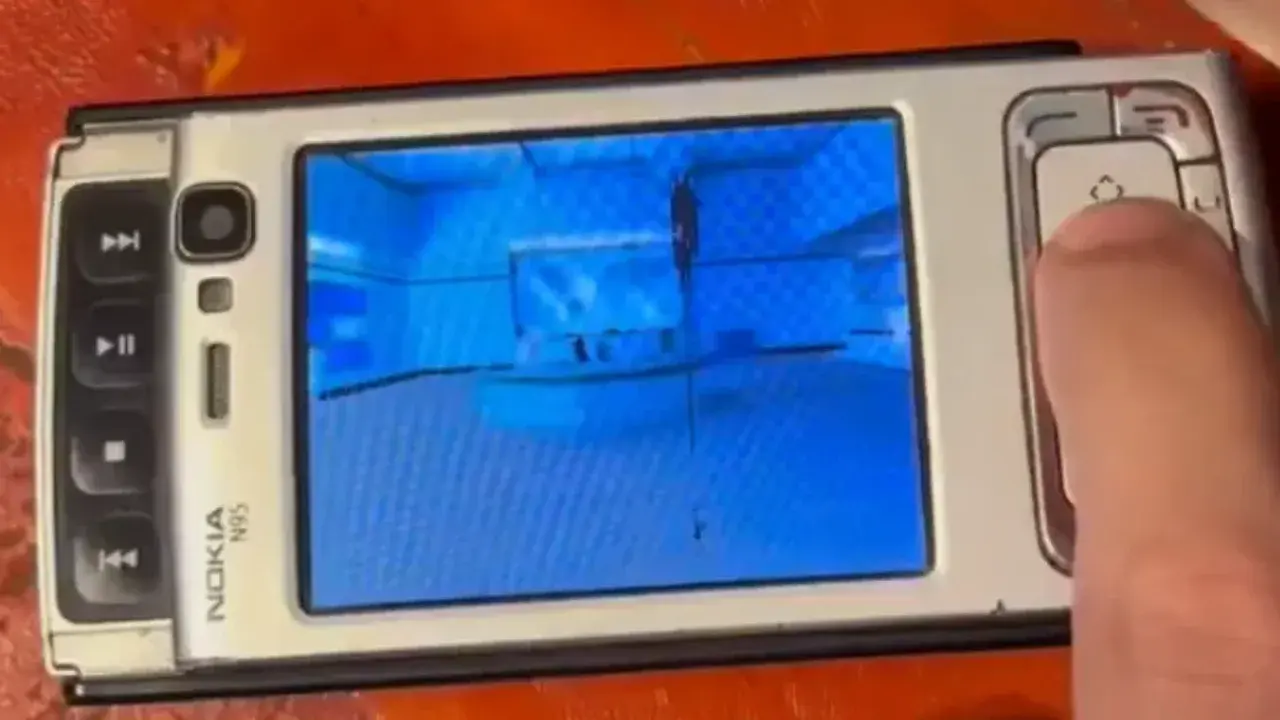
In an impressive feat of retro-engineering, Argentine developer Dante Leoncini has successfully ported the legendary shooter Half-Life to the iconic Nokia N95, a smartphone originally released in 2007. Utilizing the device’s 332 MHz dual-core processor, the developer managed to achieve a stable 30 frames per second while introducing external mouse and keyboard support. This project breathes new life into the aging Symbian OS 9.2 handset, demonstrating that even hardware from nearly two decades ago can still handle complex gaming workloads when optimized correctly. While minor performance stutters persist, Leoncini has identified the root causes and continues to refine the experience for enthusiasts.
- Developer Dante Leoncini successfully optimized the original Half-Life to run at a consistent 30 FPS on the 2007 Nokia N95 hardware.
- The project integrates functional keyboard and mouse support to enhance the control scheme on the mobile platform.
- Technical constraints related to the 332 MHz processor and 64MB of RAM require specialized native porting rather than simple emulation.
The Nokia N95 Hardware Challenges Are Addressed
The Nokia N95 was a powerhouse of its time, featuring a Texas Instruments OMAP 2420 processor paired with a PowerVR MBX 3D graphics unit. Despite its impressive specifications for 2007, running a title like Half-Life requires overcoming significant bottlenecks. Unlike modern smartphones that rely on powerful emulation, this project necessitated a custom native build specifically tailored for the Symbian operating system.
Native porting allows the software to bypass heavy emulation overhead, enabling classic games to run on surprisingly limited hardware.
Leoncini previously experimented with other demanding titles, including Quake 3 and Crash Bandicoot, which provided the necessary experience to tackle Valve’s gold-standard engine. While the developer has not confirmed the use of the open-source Xash3D engine, the performance gains achieved on the N95 suggest a highly efficient approach to resource management.
Historical Context of Mobile Gaming Performance Evolves
The history of pushing mobile hardware to its limits is well-documented, with developers like Olli Hinkka achieving similar milestones back in 2008. Early attempts to bring PC-grade gaming to S60 3rd edition devices often required modified hardware with higher RAM capacities, typically found in the 8GB storage variants of the Nokia N95. These legacy projects frequently utilized Bluetooth peripherals to manage the complex control requirements of first-person shooters.
The ability to host multiplayer servers on a 2007 smartphone remains a testament to the versatility of early mobile architectures.
Dante Leoncini continues to explore the limits of legacy systems beyond simple gaming ports. His portfolio includes the development of ‘Blendersito,’ a custom version of the Blender software, and the creation of an original game engine. These efforts underscore a growing community interest in optimizing legacy hardware to perform tasks that were once considered impossible for such limited devices.
As the developer continues to patch remaining bugs, the community remains eager to see how far the optimization of this classic smartphone can go. The success of this project encourages a broader discussion about the longevity of mobile technology and the creativity of developers who refuse to let vintage devices fade into obscurity.
We are curious to hear your thoughts on this technical achievement; would you attempt to play a classic title like Half-Life on a vintage phone, or do you prefer the comfort of modern gaming systems? Share your opinions in the comments section below.
Your comment has been submitted,
it will be published after approval.