
RTX 5090 Power Cable Melts Despite Frequent User Checks

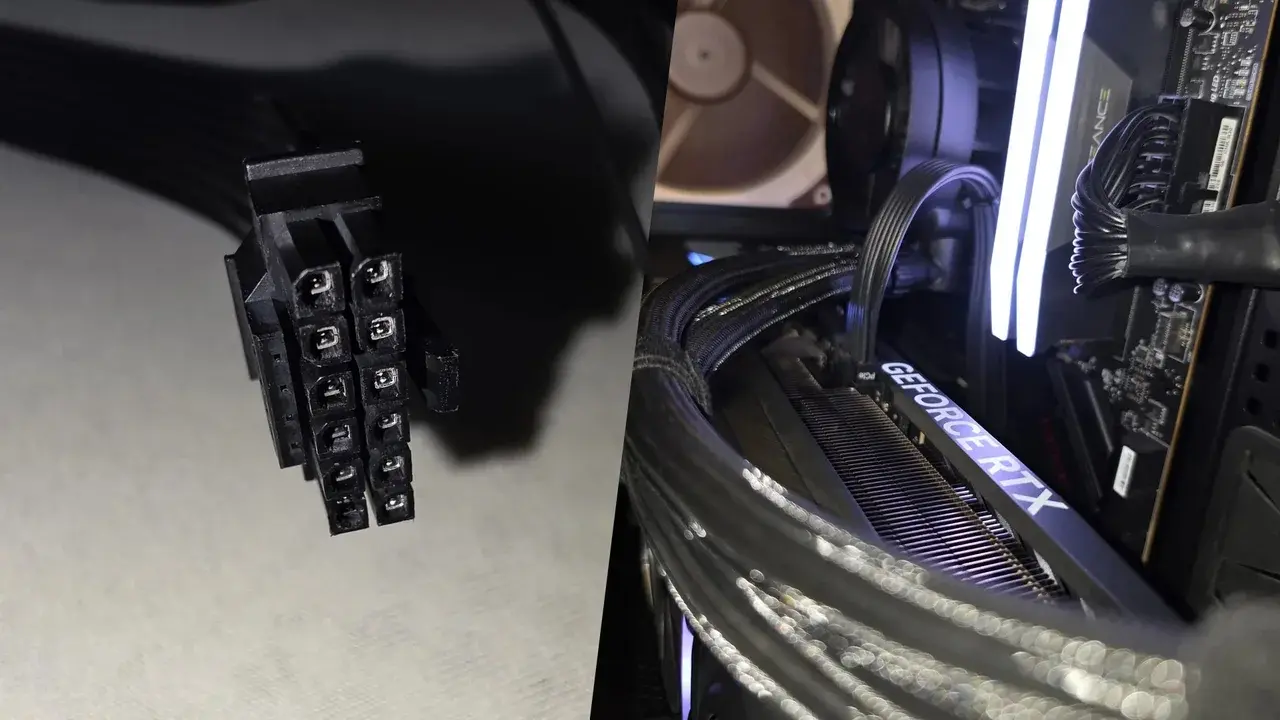
A concerning incident involving an RTX 5090 graphics card has surfaced on Reddit, where a user reported their 12VHPWR power cable melted despite strictly adhering to a routine maintenance schedule. The user, identified as u/KusKundale, frequently inspected the connection, even unplugging and reseating the cable every three months to ensure its integrity. However, this level of diligence proved counterproductive, as the constant manipulation of the connector likely contributed to the hardware failure. This case highlights the ongoing challenges surrounding 16-pin power connectors and raises critical questions about whether over-maintenance is unintentionally damaging high-end GPU components.
- The user’s 16-pin connector melted despite a regular three-month inspection and reseating schedule.
- Technical experts suggest that frequent unplugging and reseating can cause physical wear to the connector pins.
- The system utilized an older cable standard that lacked compatibility with current ATX 3.1 and PCIe 5.1 requirements.
- Proper initial installation remains more effective than constant manual adjustments for ensuring connection safety.
Excessive Maintenance Damages Hardware Connectors
The situation involving the RTX 5090 underscores a growing concern regarding the fragility of modern high-power connectors. While users are often encouraged to keep a close eye on their power cables, many fail to realize that these sensitive pins are not designed for repeated mechanical stress. Each time a cable is removed and reinserted, the internal pins may experience microscopic deformation or looseness.
Constant physical interference with power connections may actually accelerate the risk of catastrophic thermal failure.
The Reddit user noted that they performed manual pressure checks on the connection monthly, hoping to avoid any potential gaps. Unfortunately, this constant physical contact likely compromised the structural stability of the 16-pin port. By attempting to prevent a problem, the user inadvertently introduced a higher risk of terminal damage, which eventually led to the melting of the cable and the port itself. 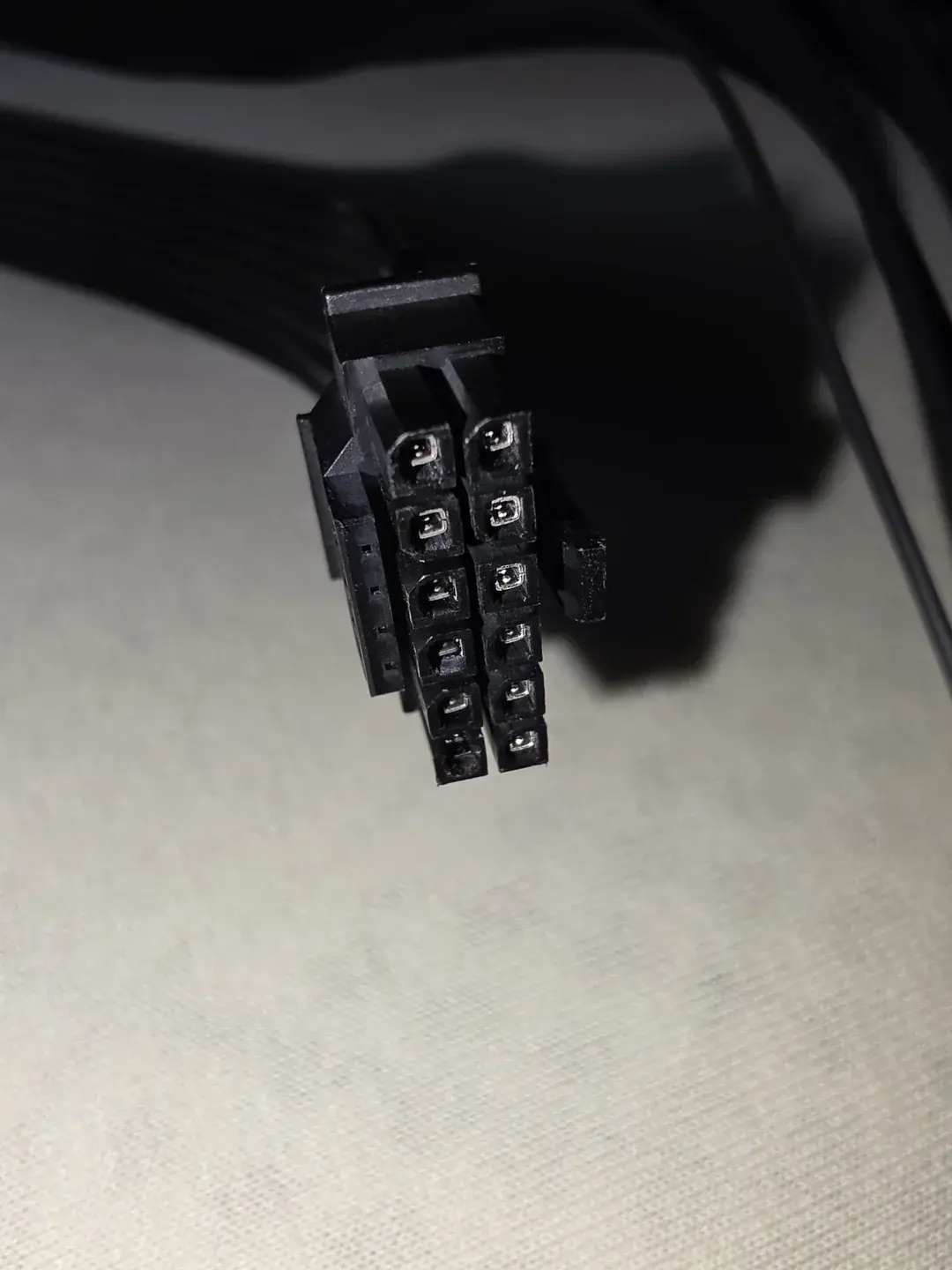
Compatibility Issues Complicate Power Delivery
Further investigation into the hardware setup revealed significant compatibility gaps. The user was employing a Corsair Type 4 12VHPWR cable, which does not adhere to the newer, more robust 12V-2×6 standard. Additionally, the power supply unit (PSU) did not meet the ATX 3.1 or PCIe 5.1 specifications, which are designed to improve safety and power consistency for high-performance GPUs like the RTX 5090. 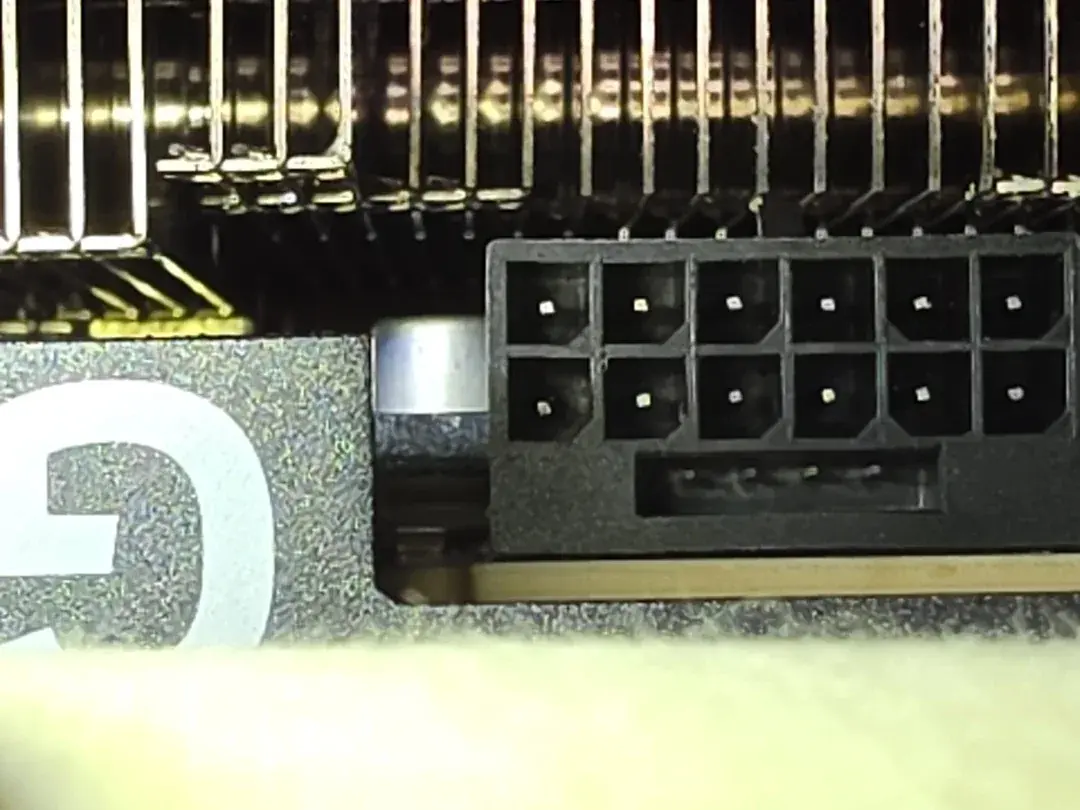
These technical discrepancies suggest that the melting was not purely a result of user error but was compounded by the use of outdated power standards in a high-demand environment. Using hardware that aligns with the latest safety specifications is essential for managing the high power requirements of modern flagship graphics cards. 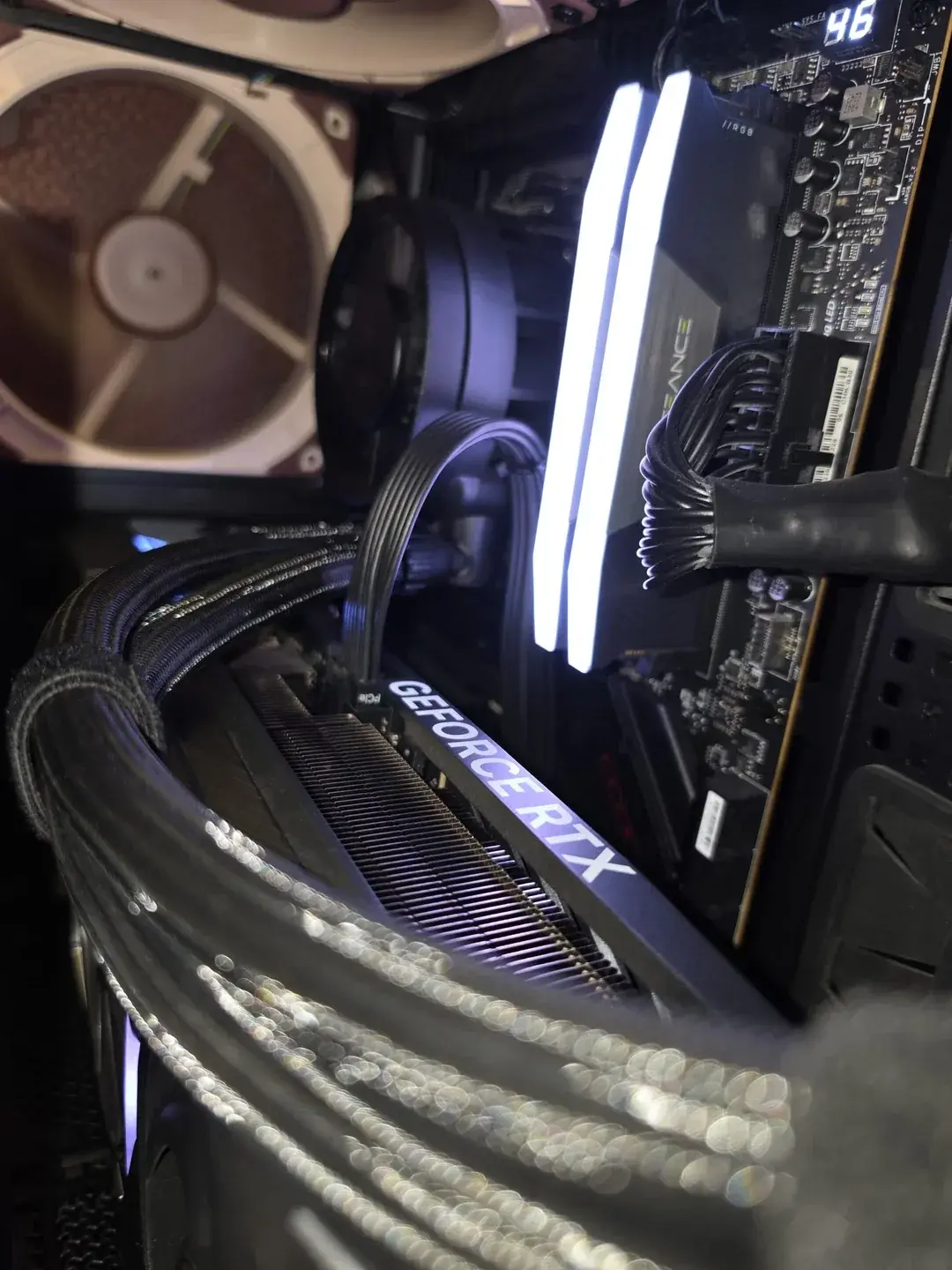
Safety Standards Prevent Future Failures
Moving forward, users should prioritize manufacturer guidelines over personal maintenance rituals. Once a cable is properly seated during the initial build, it is generally recommended to leave it undisturbed. Forcing pressure onto the connector or checking it unnecessarily can create gaps that lead to electrical arcing and subsequent melting. Following the official documentation provided by GPU manufacturers is the most reliable method for ensuring long-term hardware safety and operational stability.
Do you believe these melting incidents are caused by fundamental design flaws in 16-pin connectors, or is improper user handling the primary culprit? Share your thoughts and experiences in the comments section below.
Your comment has been submitted,
it will be published after approval.