
Apple Ends iPadOS 27 Support for Older iPad Models

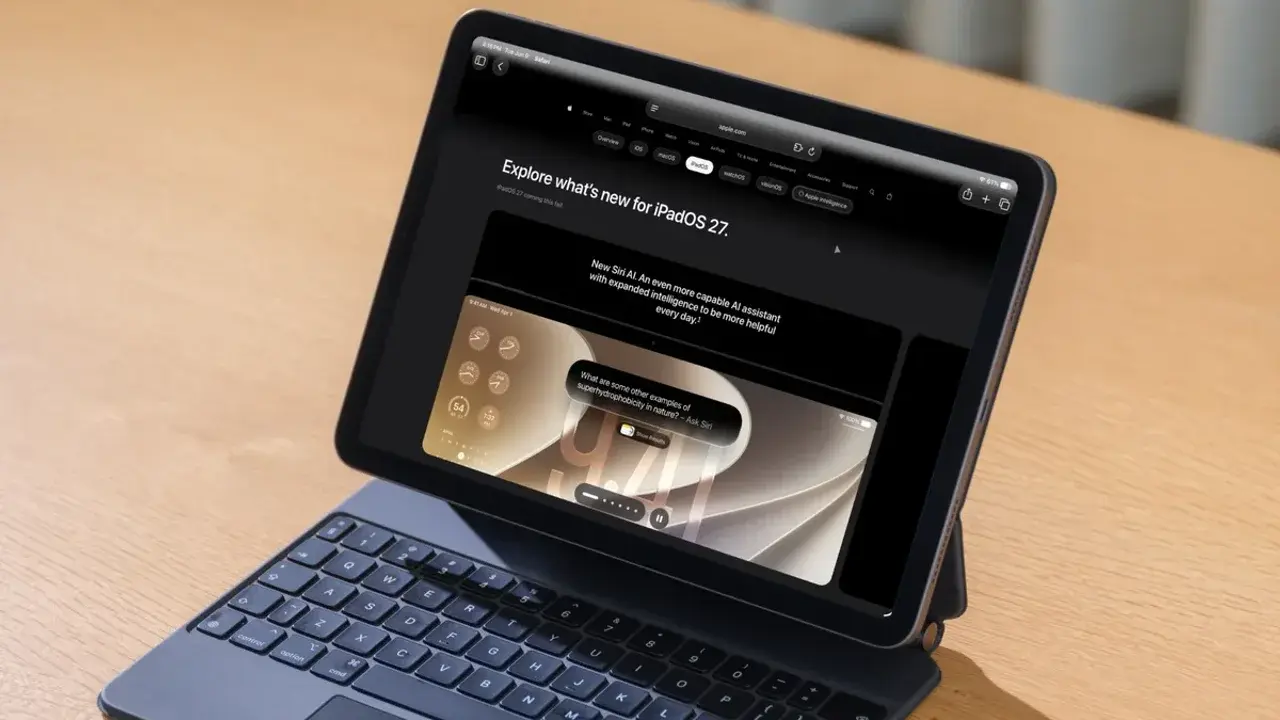
Apple has officially announced that several legacy devices will be excluded from the upcoming iPadOS 27 update, unveiled during the recent WWDC26 event. This significant shift in software policy primarily impacts users operating iPads equipped with A12 and A12X Bionic chipsets, marking the end of the line for these specific models. While Apple has historically maintained a reputation for providing extensive long-term software support for its tablets, this decision leaves a notable portion of its user base without the latest features and security improvements, sparking a debate regarding the lifecycle management of premium hardware.
- The iPadOS 27 update terminates support for all iPad models featuring A12 and A12X processors.
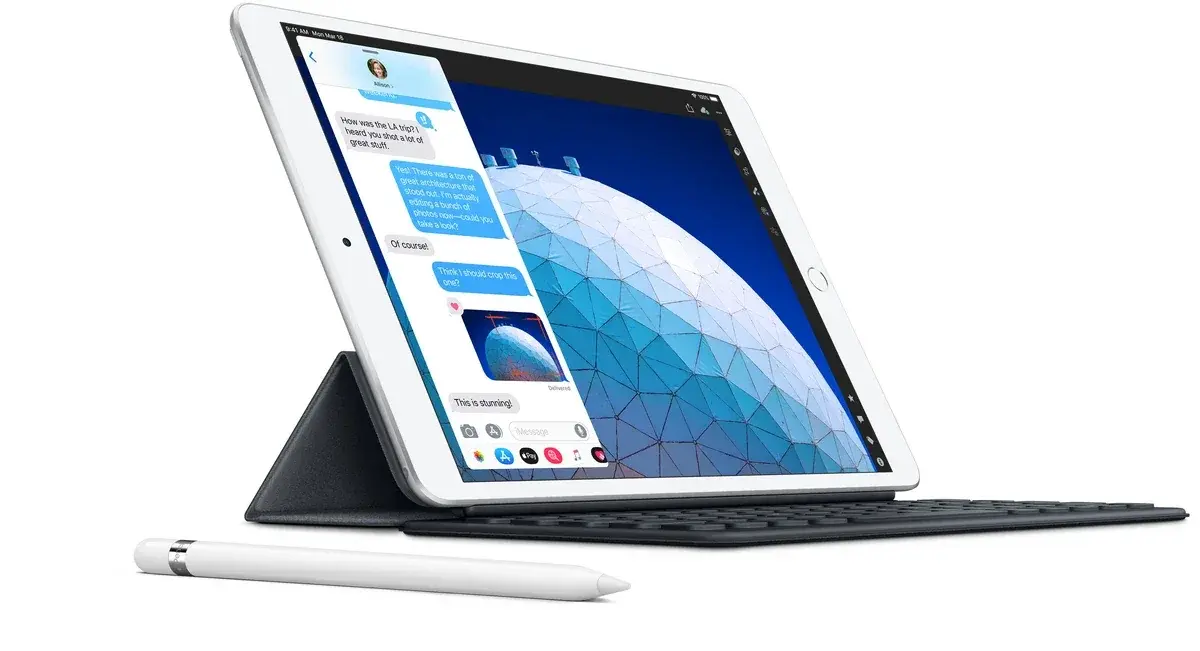
- Affected devices include the 8th generation iPad, 3rd generation iPad Air, 5th generation iPad mini, and early iPad Pro models.
- Users are currently debating whether limited feature support or extended security patches could serve as a viable alternative for these older tablets.
Devices are Being Dropped from the Update List
The transition to iPadOS 27 signals a definitive cutoff for hardware that was previously functional under iPadOS 26. Specifically, the 2020 8th generation iPad, the 2019 3rd generation iPad Air, and the 2019 5th generation iPad mini have been excluded from the compatibility list. 
The restriction also extends to the professional-grade lineup, affecting the 11-inch 1st generation iPad Pro and the 12.9-inch 3rd generation iPad Pro released in 2018. Despite these devices having served their owners for six to eight years, the lack of further software updates limits their ongoing utility and potential security profile in an increasingly modern digital environment.
Many long-time users express disappointment as their still-capable hardware loses access to the latest Apple ecosystem advancements.
Alternative Solutions are Being Proposed by Users
In response to the news, the community has suggested several potential workarounds that could address the needs of those stranded on older software versions. One prominent suggestion involves allowing users to downgrade their devices to more stable, higher-performing versions of iPadOS, or at the very least, maintaining long-term security support for older iterations.
Currently, Apple does not sign older firmware, making it impossible to revert software once a device has been updated. However, proponents of continued support point to the fact that older versions like iOS 18.7.9 still receive critical security patches, which suggests that the underlying architecture remains viable for security maintenance.
Lessons are Being Learned from Historical Precedents
There is also a historical precedent for Apple reversing such decisions. In 2022, the company initially restricted the “Stage Manager” multitasking feature to newer M-series chips, only to expand support to older iPad Pro models following significant public feedback. Whether the current limitation is a result of insurmountable hardware constraints, such as GPU performance or the 4GB RAM threshold, remains unclear.
A tiered feature release could potentially allow older iPads to remain functional without compromising the performance of the newest software.
If hardware limitations are indeed the core issue, providing a restricted version of iPadOS 27 that omits the most resource-intensive features could serve as a practical compromise. This approach would extend the life of these devices while ensuring that users are not left vulnerable to security threats.
We would love to hear your perspective on this development: Do you believe Apple should prioritize software longevity for older iPads, or is it time for these legacy devices to be retired? Share your thoughts in the comments section below.
Your comment has been submitted,
it will be published after approval.