
Apple Defies Global Smartphone Slump With 19.7 Percent Growth

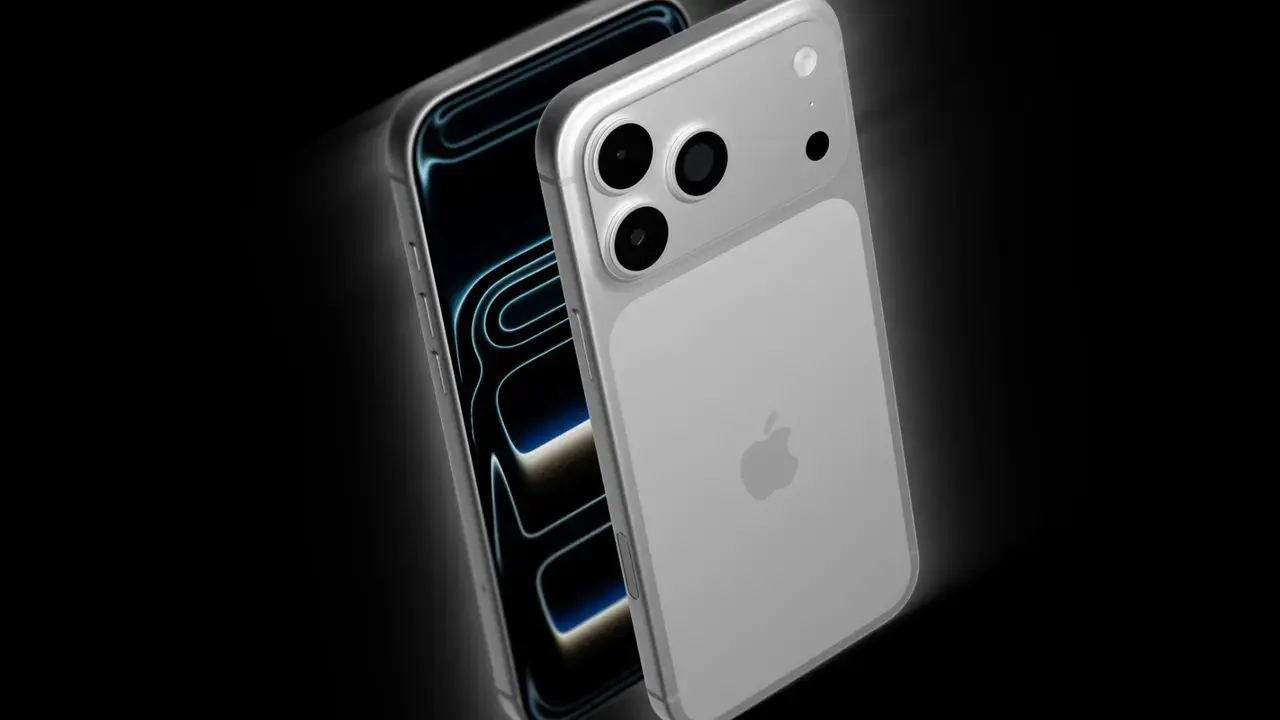
In a remarkable demonstration of market resilience, Apple achieved a significant 19.7 percent year-over-year surge in iPhone production during the first quarter of 2026. According to the latest data from industry analyst TrendForce, this impressive performance allows the tech giant to defy the broader downward trend currently plaguing the global smartphone market. While total worldwide smartphone manufacturing output experienced a 1.7 percent decline, Apple solidified its position by producing approximately 60.2 million units. Despite mounting pressure from rising memory component costs that have strained industry participants, Apple successfully maintained its strategic momentum, proving its ability to navigate complex global economic challenges.
- Apple increased its iPhone production volume by 19.7 percent in the first quarter of 2026.
- Global smartphone manufacturing output contracted by 1.7 percent during the same period.
- Samsung retained its position as the global leader with 62.6 million units produced.
- Apple maintained stable product pricing despite significant increases in memory component costs.
Samsung Retains Its Position as the Global Market Leader
The latest industry report clarifies the performance dynamics between the two dominant technology titans. Samsung continues to hold the top spot in the global smartphone market, having manufactured 62.6 million units throughout the first quarter. This represents a modest year-over-year growth of 2.3 percent for the manufacturer. Meanwhile, Apple follows closely behind with its 60.2 million unit production tally, largely fueled by robust consumer demand for the iPhone 17 series and highly efficient assembly line operations.
Apple remains one of the few major manufacturers that has chosen not to pass rising production costs onto the consumer.
Memory Component Costs Threaten the Entire Industry
The persistent escalation in the price of memory components remains a critical concern for the entire smartphone sector, as it continues to squeeze profit margins for almost every major player. While Apple has managed to avoid price hikes for its current flagship devices, industry experts suggest that this strategy may become unsustainable if the inflationary trend regarding parts continues. {{WP_IMAGE_1}} Analysts warn that if these underlying costs do not stabilize soon, other manufacturers may be forced to implement significant price increases, which could dampen consumer interest across the global market.
Global Production Forecasts Show a Downward Trend
Looking at the broader landscape, the outlook for the remainder of 2026 remains cautious. TrendForce projections indicate that total global smartphone production could decline by approximately 16.2 percent for the full year, totaling roughly 1.051 billion units. This estimate assumes that the current headwinds in the supply chain will persist throughout the upcoming quarters. {{WP_IMAGE_2}} Should the upward trend in component pricing fail to break, the industry may face an even more severe contraction than initially forecasted by researchers.
The broader industrial contraction could reach critical levels if memory prices continue their current upward trajectory.
How do you think Apple’s decision to maintain current pricing will affect the competitive balance of the smartphone market for the rest of 2026? We invite you to share your predictions and insights in the comments section below.
Your comment has been submitted,
it will be published after approval.