
Apple CarPlay Integration Could Finally Come to Tesla Vehicles

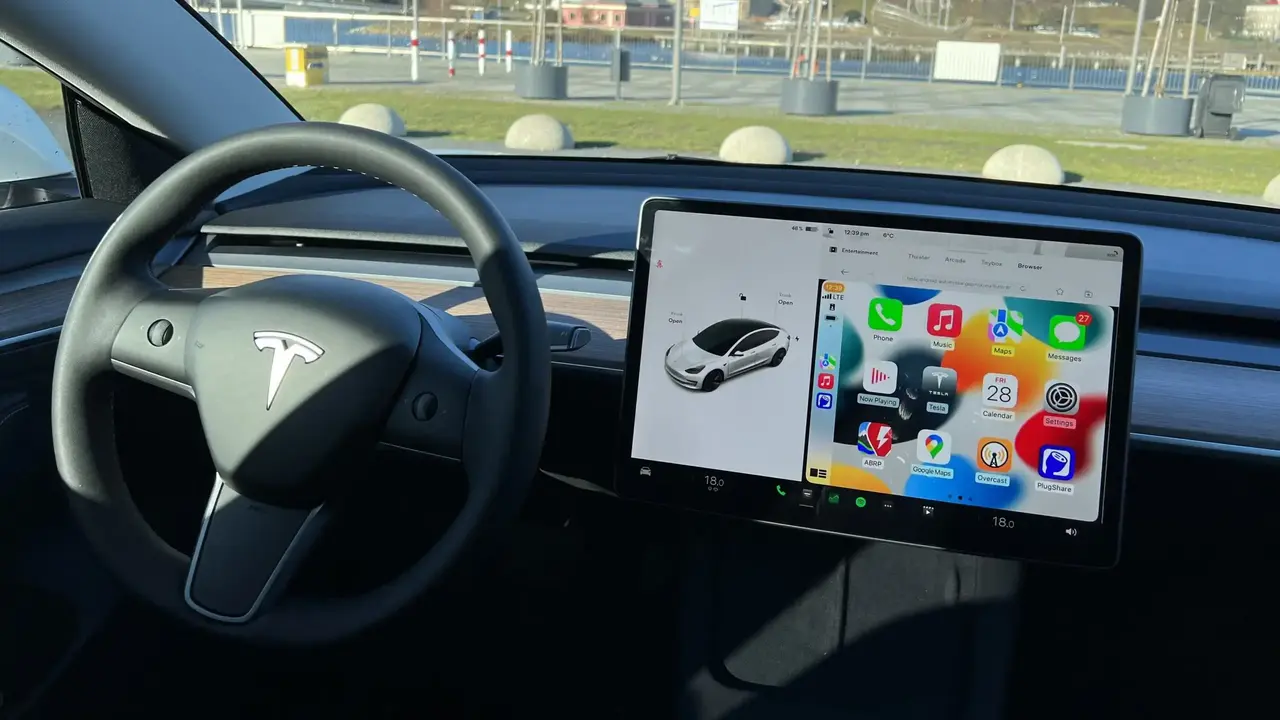
A significant technological breakthrough unveiled at Apple’s WWDC26 event may soon resolve the long-standing absence of Apple CarPlay in Tesla vehicles. For years, Tesla has maintained a closed ecosystem, prioritizing its proprietary software over third-party integrations despite consistent consumer demand. However, recent advancements in Apple’s mapping infrastructure have effectively removed the primary technical hurdles that previously prevented a seamless CarPlay experience in Tesla automobiles. This development suggests that the familiar iPhone interface could soon become a standard feature on Tesla’s large touchscreens, bridging the gap between Apple’s mobile ecosystem and Tesla’s advanced automotive hardware.
- Apple introduced a new route sharing technology that synchronizes iPhone navigation with vehicle onboard computers.
- The update addresses the critical conflict between third-party maps and Tesla’s Full Self-Driving system requirements.
- Tesla can now share real-time battery and charging status directly with the Apple mapping interface.
Technical Barriers are Being Resolved Through Route Sharing
Tesla’s reluctance to adopt CarPlay stemmed largely from the operational needs of its Full Self-Driving (FSD) system. Previously, when a driver relied on third-party navigation, the FSD system could not access the underlying route data, causing the autonomous features to deactivate for safety reasons. 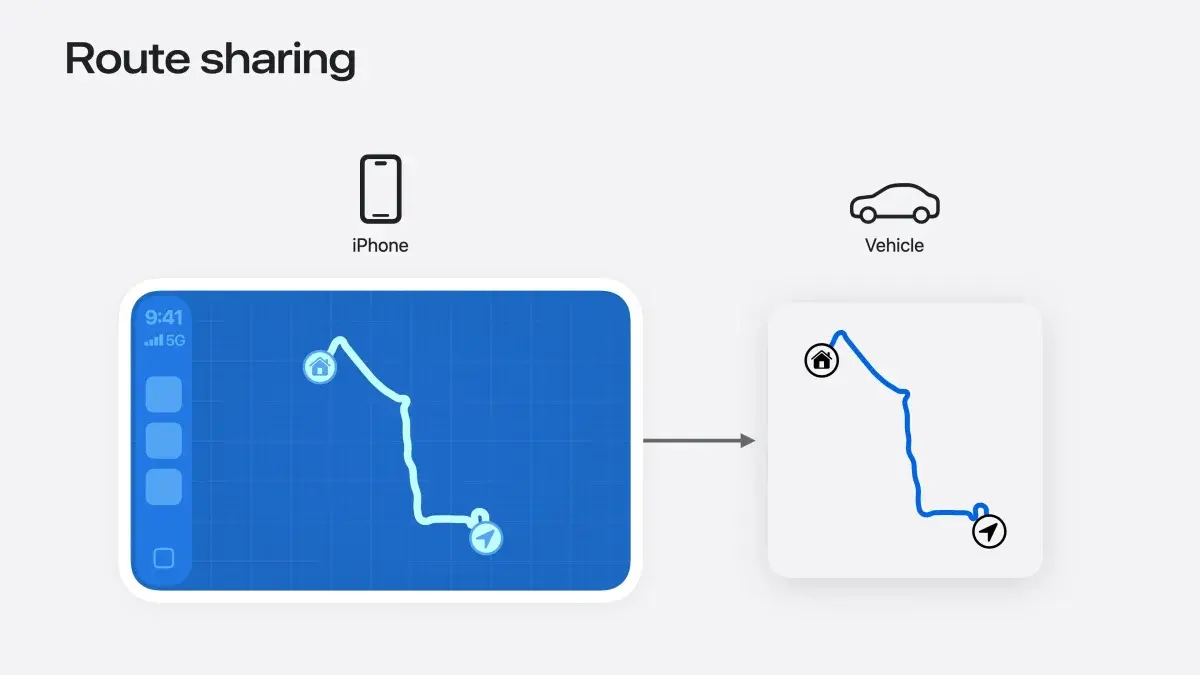
Apple’s newly announced Route Sharing feature eliminates this functional blind spot. By integrating with iOS 26.4 and subsequent versions, the infrastructure allows the iPhone to transmit precise geographic coordinates to the vehicle’s central processing unit in real-time. This ensures that while the driver interacts with the CarPlay interface, the Tesla FSD computer maintains an identical understanding of the navigation path.
This synchronization allows autonomous features to remain fully active while utilizing Apple’s navigation interface.
Bidirectional Data Streams are Improving Battery Management
The innovation extends beyond simple navigation mirroring, as it enables a sophisticated two-way data exchange between the vehicle and the smartphone. Tesla is now capable of transmitting critical data regarding battery health and current energy consumption directly to the Apple CarPlay environment. 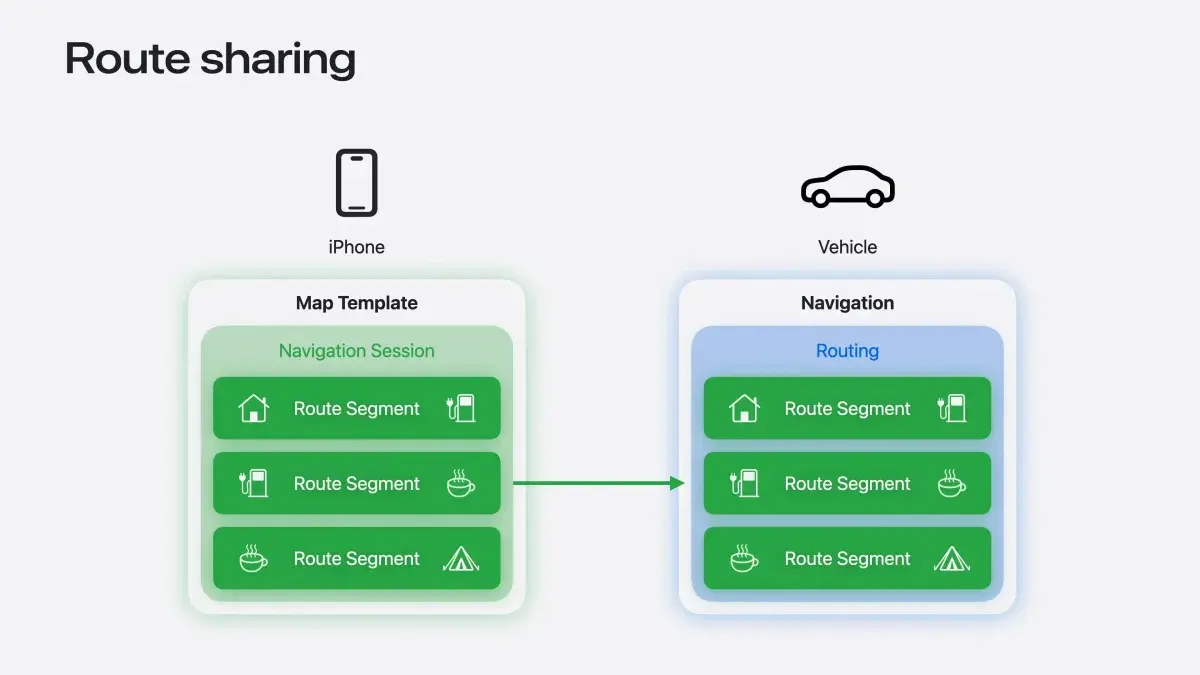
This integration allows the mapping application on the iPhone to automatically calculate and suggest the most efficient Supercharger stops based on the vehicle’s actual energy state. By facilitating this exchange, Apple has effectively shifted the responsibility of enabling the integration to Tesla’s software team.
Enhanced connectivity between the car and phone optimizes the overall electric vehicle ownership experience.
The automotive industry is watching closely to see if Tesla will officially embrace this standardized connectivity. Should the manufacturer choose to implement these tools, it would represent a major shift in their historical software strategy, potentially offering drivers the best of both worlds. The technical groundwork is now firmly in place, leaving the final decision to the discretion of Tesla’s leadership.
Do you believe the addition of CarPlay would improve your daily driving experience with a Tesla, or do you prefer the native Tesla software interface? Please share your thoughts in the comments section below.
Your comment has been submitted,
it will be published after approval.