
Bayraktar TB3 Completes Successful Submarine Defense Test from TCG Anadolu

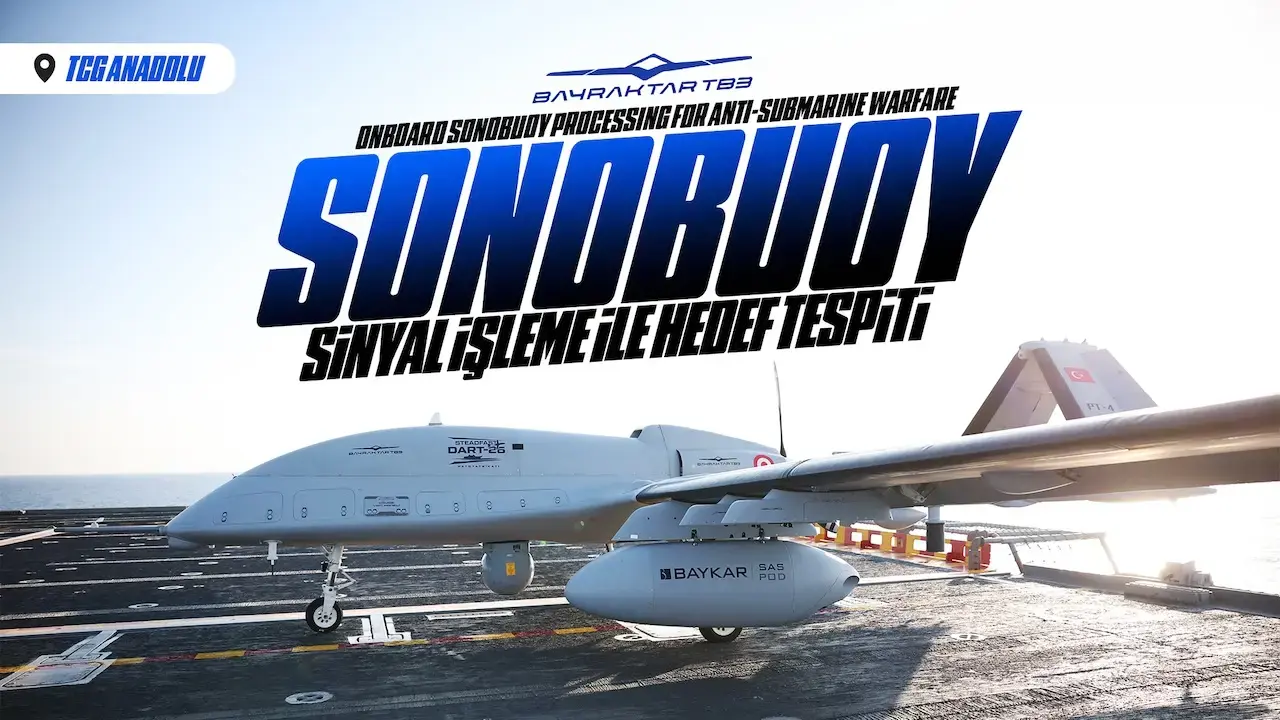
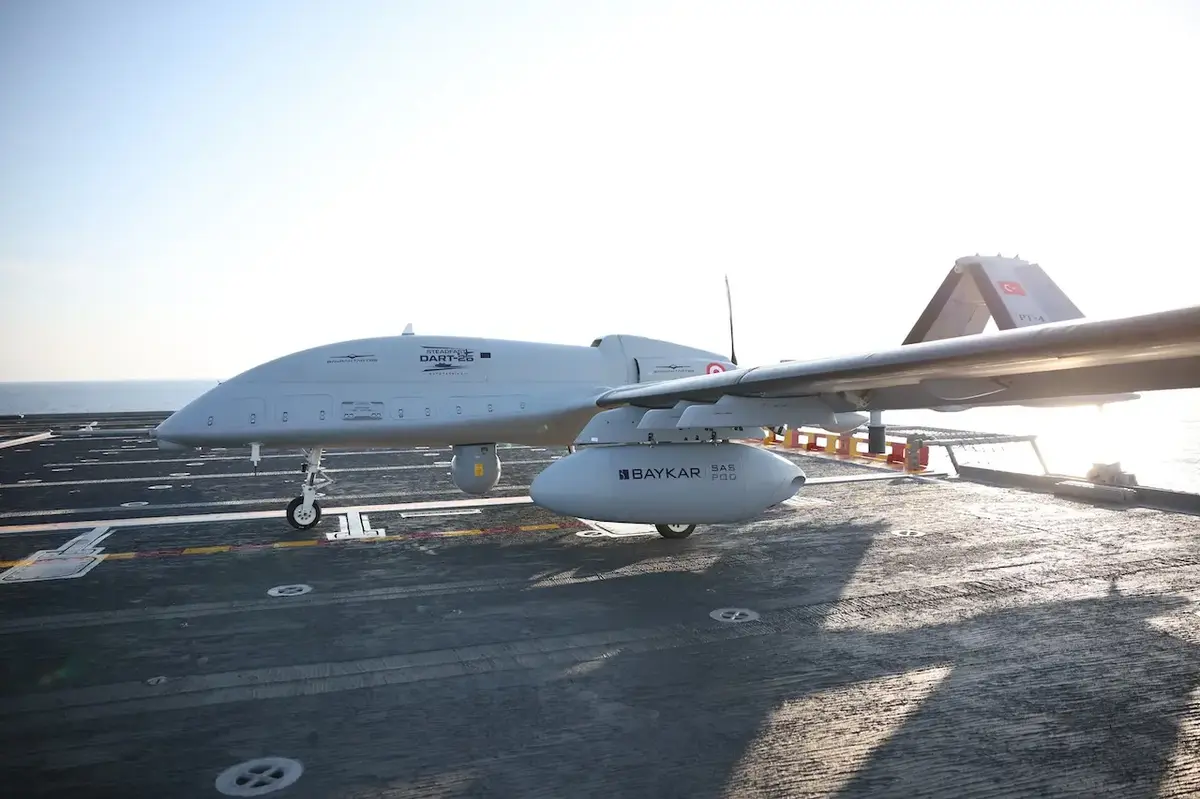
During the Denizkurdu-I/2026 exercise held between September 20 and 25, 2026, the Bayraktar TB3 unmanned aerial vehicle achieved a significant milestone in anti-submarine warfare. Operating from the flight deck of the TCG Anadolu, the drone successfully deployed two sonobuoys using the domestically developed Baykar SAS POD system. By coordinating directly with a maritime patrol aircraft, the Bayraktar TB3 processed underwater acoustic data in real-time, demonstrating its capability to serve as a critical asset for naval security. This exercise marks a turning point for autonomous platforms in identifying and tracking subsurface threats across the Black Sea, Marmara, Aegean, and Eastern Mediterranean regions.
- The Bayraktar TB3 successfully deployed two sonobuoys using the indigenous Baykar SAS POD system during the Denizkurdu-I/2026 exercise.
- The platform demonstrated advanced interoperability by processing acoustic data from both its own sonobuoys and those deployed by manned maritime patrol aircraft.
- This operational success confirms the capability of unmanned aerial systems to perform complex anti-submarine warfare missions in coordination with other naval assets.
TCG Anadolu Serves as a Strategic Launch Platform
The Denizkurdu-I/2026 exercise provided the ideal environment to test the integration of the Bayraktar TB3 with the TCG Anadolu. As a flagship asset for the Turkish Navy, the vessel acts as a mobile base that extends the reach of unmanned platforms far beyond coastal boundaries. 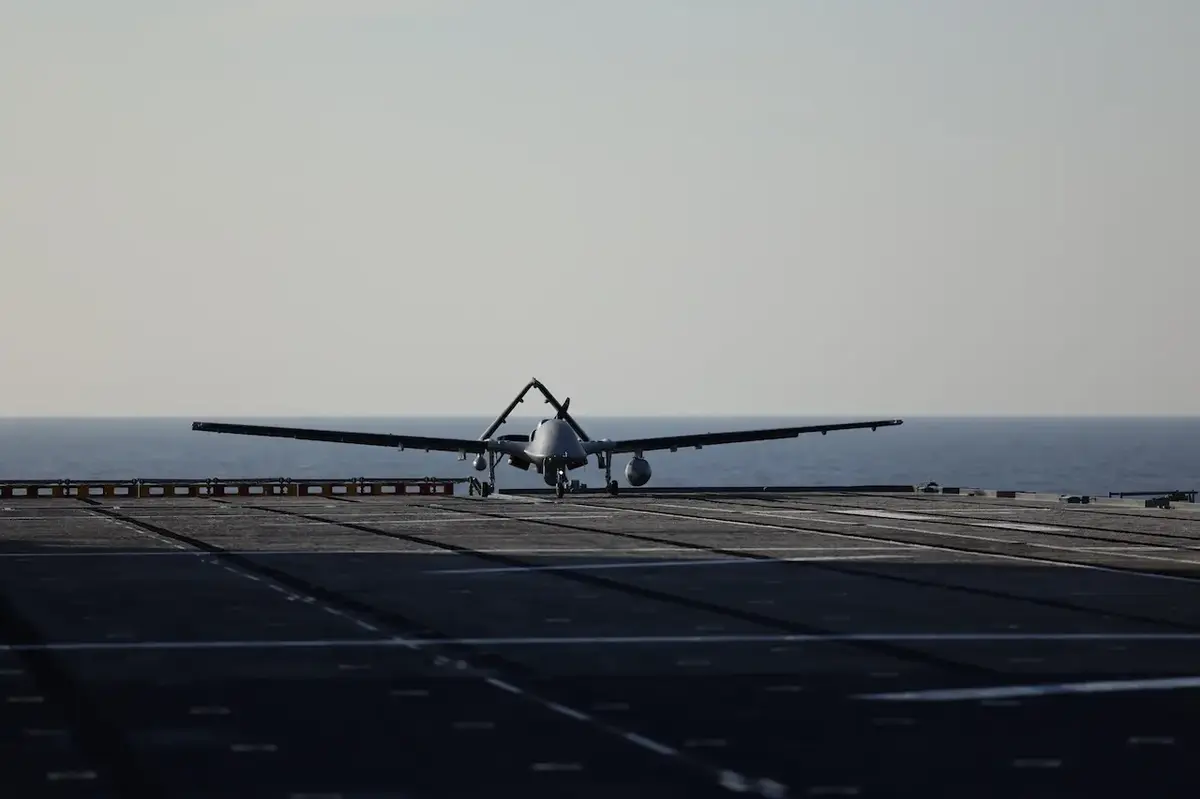 The ability of the Bayraktar TB3 to conduct take-offs and landings on a ship-borne platform makes it a unique asset in the global defense market.
 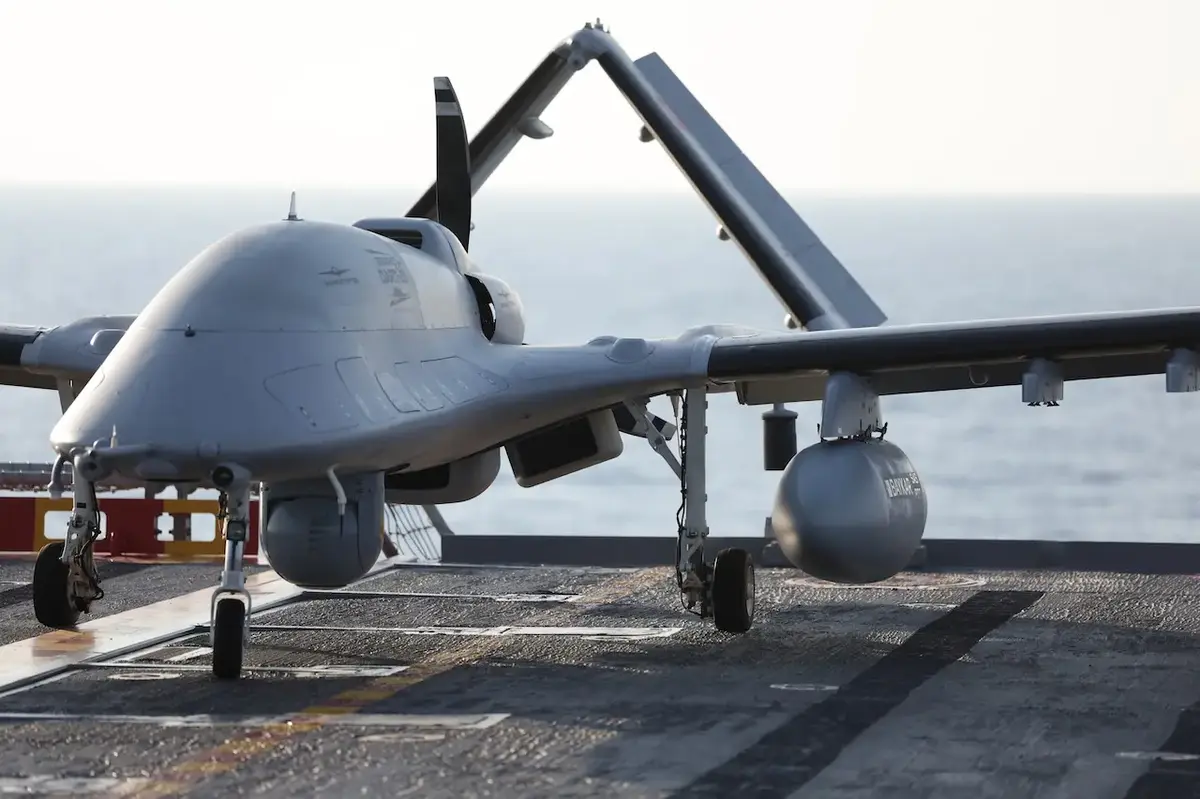 During the drills, the drone proved that it can operate under the same operational tempo as manned aircraft while contributing to the overall situational awareness of the naval fleet.
Advanced Data Integration Systems Enhance Detection Capabilities
One of the most notable aspects of the recent trials was the sophisticated data link established between the Bayraktar TB3 and maritime patrol aircraft. 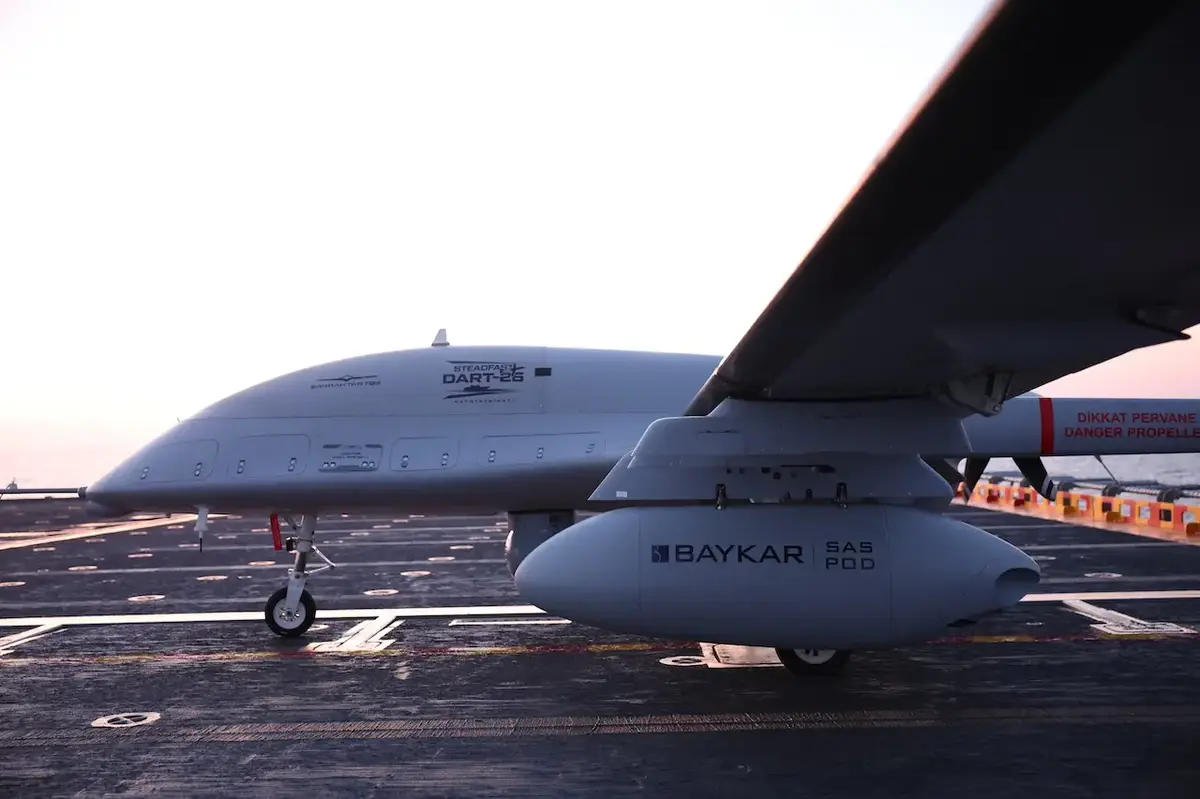 Instead of functioning as an isolated unit, the drone acted as a relay and processing node for underwater threats. By analyzing the acoustic data provided by multiple sources, the system allowed the fleet to form a comprehensive picture of the sub-surface environment.
  This level of sensor fusion is vital for modern naval operations, where underwater threats require rapid identification and precise tracking to maintain maritime superiority.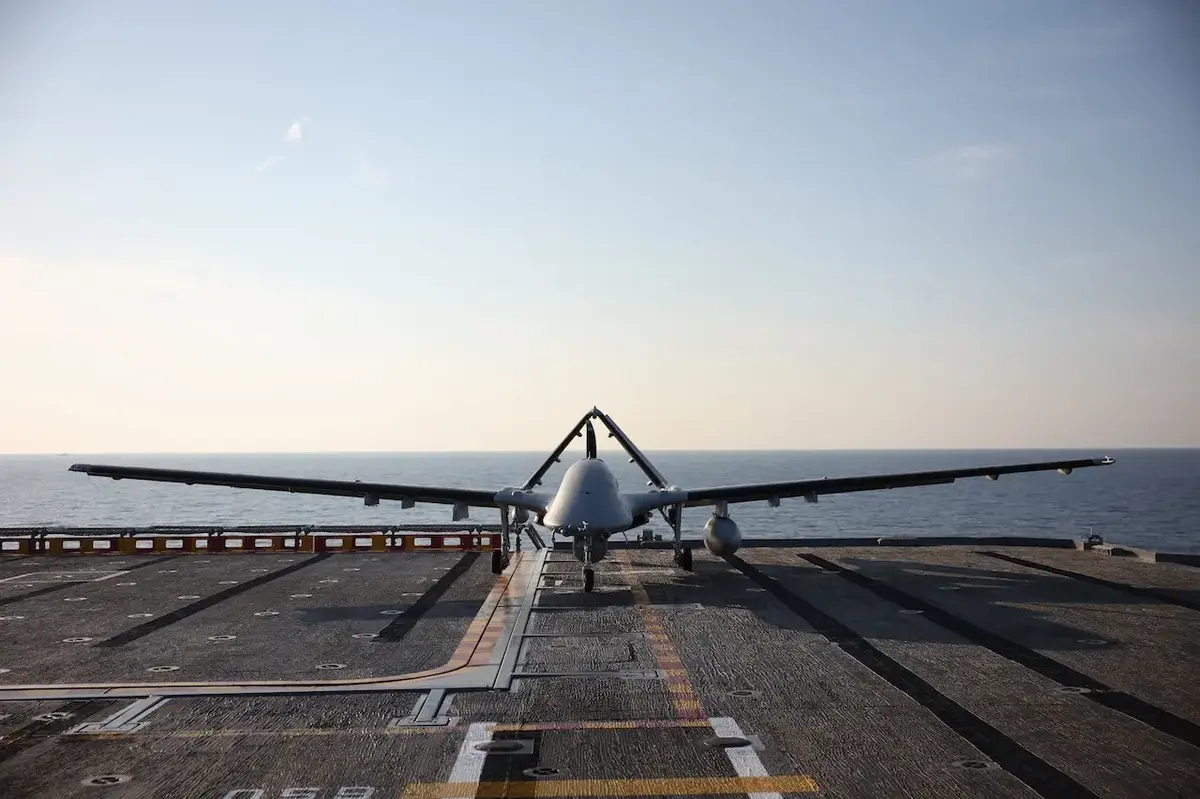
Global Market Influence Continues to Grow
Beyond its technical achievements, the Baykar company continues to strengthen its position in the global defense industry. Following a record-breaking export performance in 2025 with $2.2 billion in revenue, the company has expanded its international footprint significantly. With contracts signed in 39 countries for its various platforms, Baykar proves that its reliance on self-financed research and development leads to rapid innovation. The successful integration of sensor pods on the Bayraktar TB3 serves as a testament to the company’s commitment to evolving its technology to meet the changing requirements of modern naval warfare.
How do you evaluate the integration of unmanned aerial vehicles into complex anti-submarine warfare missions? We invite you to share your insights on the potential impact of these technologies on future naval strategies in the comments section below.
Your comment has been submitted,
it will be published after approval.