
MSI Warns of Prolonged GPU and Memory Supply Shortages

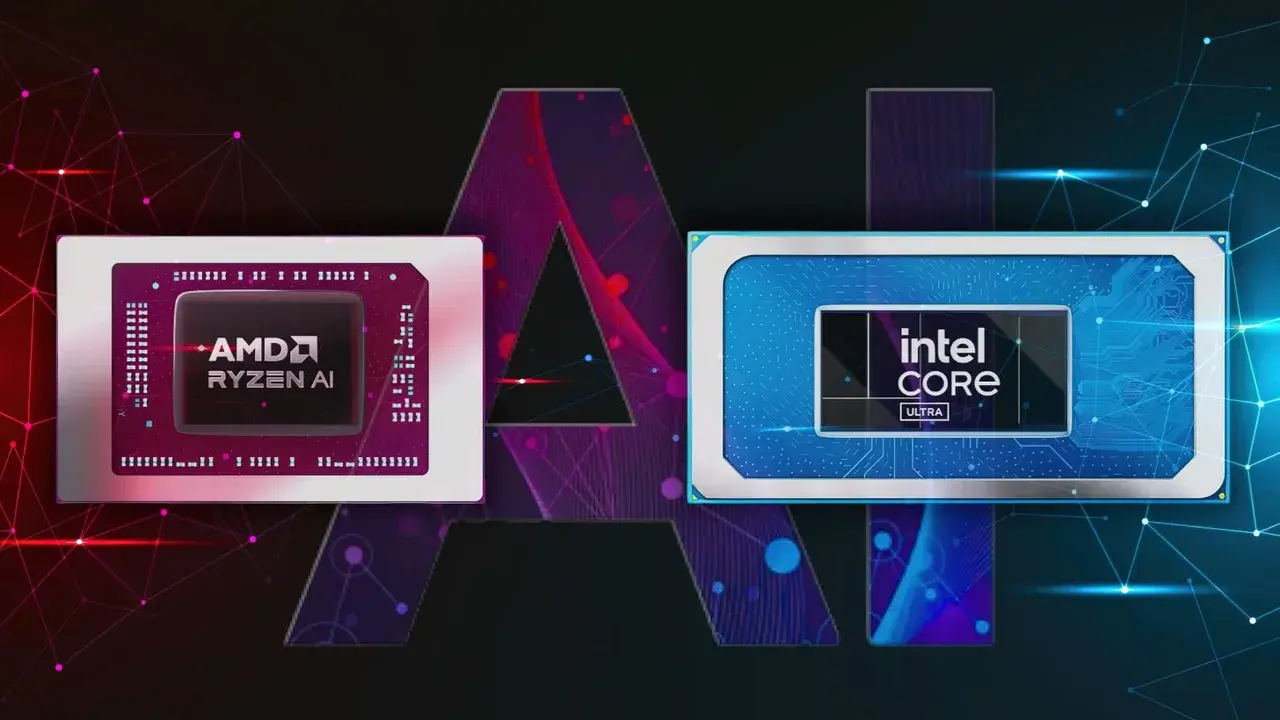
MSI Chairman Hsu Hsiang has issued a stern warning regarding the ongoing hardware scarcity, predicting that supply chain constraints affecting memory and GPU availability will persist throughout 2026. As the global demand for high-performance computing surges due to rapid advancements in artificial intelligence, manufacturers are struggling to keep pace with the rising costs and limited volume of essential components. While the broader tech industry faces significant hurdles in meeting consumer demand, MSI anticipates that the supply situation for central processing units will begin to show signs of improvement starting in the third quarter of this year.
- MSI expects the shortage of memory modules and graphics processors to continue impacting production through the end of 2026.
- NVIDIA has experienced a 30 percent reduction in GPU supply due to the critical scarcity of necessary memory components.
- The supply of RTX 50 series graphics cards has plummeted by 50 percent during the current fiscal quarter.
- AMD and Intel are shifting production priorities in the third quarter to stabilize the consumer CPU market.
Hardware Component Supplies Face Severe Constraints
The first quarter of the year witnessed a substantial increase in memory prices for both gaming laptops and desktop systems, according to internal MSI data. This inflation is largely driven by the high demand for AI-related hardware, which redirects resources away from the consumer electronics segment. 
The current lack of visibility into memory production cycles forces manufacturers like MSI to operate with extremely limited planning flexibility.
Because memory manufacturers only provide supply forecasts on a monthly basis, companies struggle to manage their inventory and production orders effectively. This systemic uncertainty is compounded by the fact that DDR5 memory prices are not expected to stabilize until at least 2028. Consequently, MSI reports a notable market contraction, with the DIY segment shrinking by 20 percent and the general PC market experiencing a decline between 10 and 20 percent.
Central Processing Units See Expected Recovery
While the outlook for memory and graphics cards remains challenging, the CPU market is heading toward a more stable phase. Both AMD and Intel have confirmed strategic shifts in their production pipelines to prioritize consumer-focused processors as the year progresses. 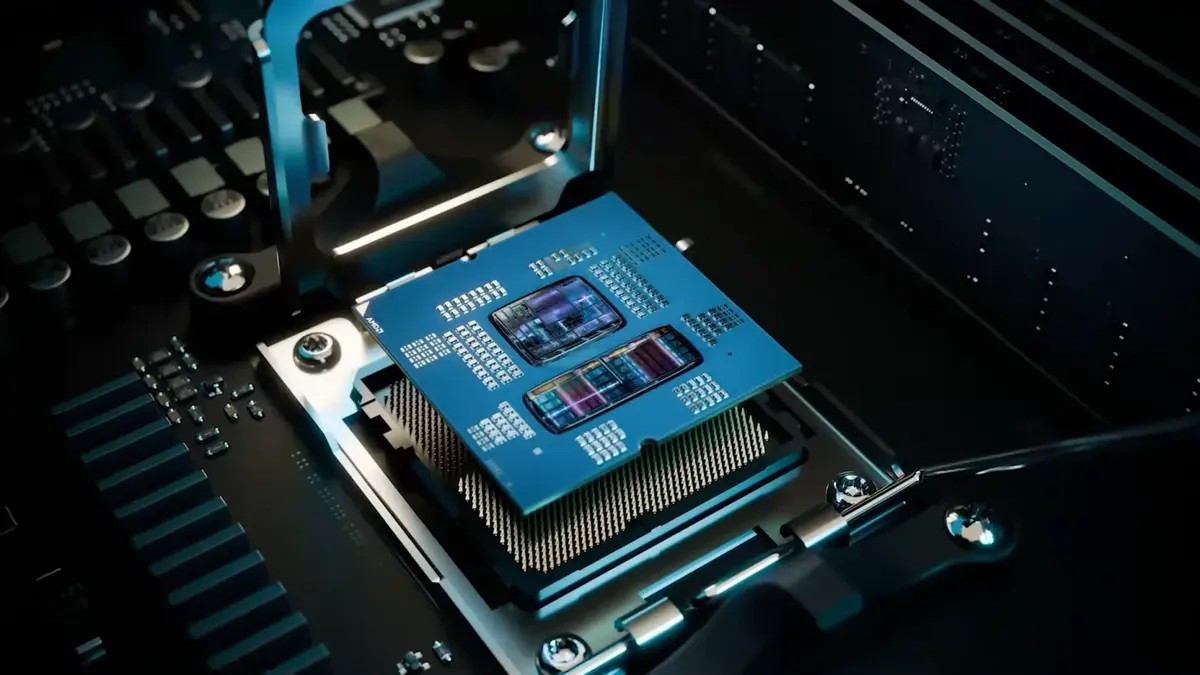
AMD has successfully pivoted from its heavy focus on server-grade hardware to address the growing needs of the personal computing sector. Simultaneously, Intel is ramping up its manufacturing capacity, which is expected to mitigate the typical pressures seen during the peak PC buying season. These efforts are anticipated to alleviate the severe shortages that have frustrated PC enthusiasts and builders in recent months.
Strategic production adjustments by major CPU manufacturers should provide necessary relief for the hardware supply chain by the final quarter.
As these two giants increase their output, the market may see a temporary reprieve from the component scarcity that has defined the last several months. While the long-term outlook for GPUs remains difficult, the stabilization of CPU availability serves as a critical first step toward restoring balance to the hardware ecosystem.
Given the persistent challenges in securing high-end hardware for your builds, how have these component shortages impacted your recent purchasing decisions or upgrade plans? Share your thoughts in the comments section below.
Your comment has been submitted,
it will be published after approval.