
New Wireless Charging Drone Swarm Enables 24/7 Operations

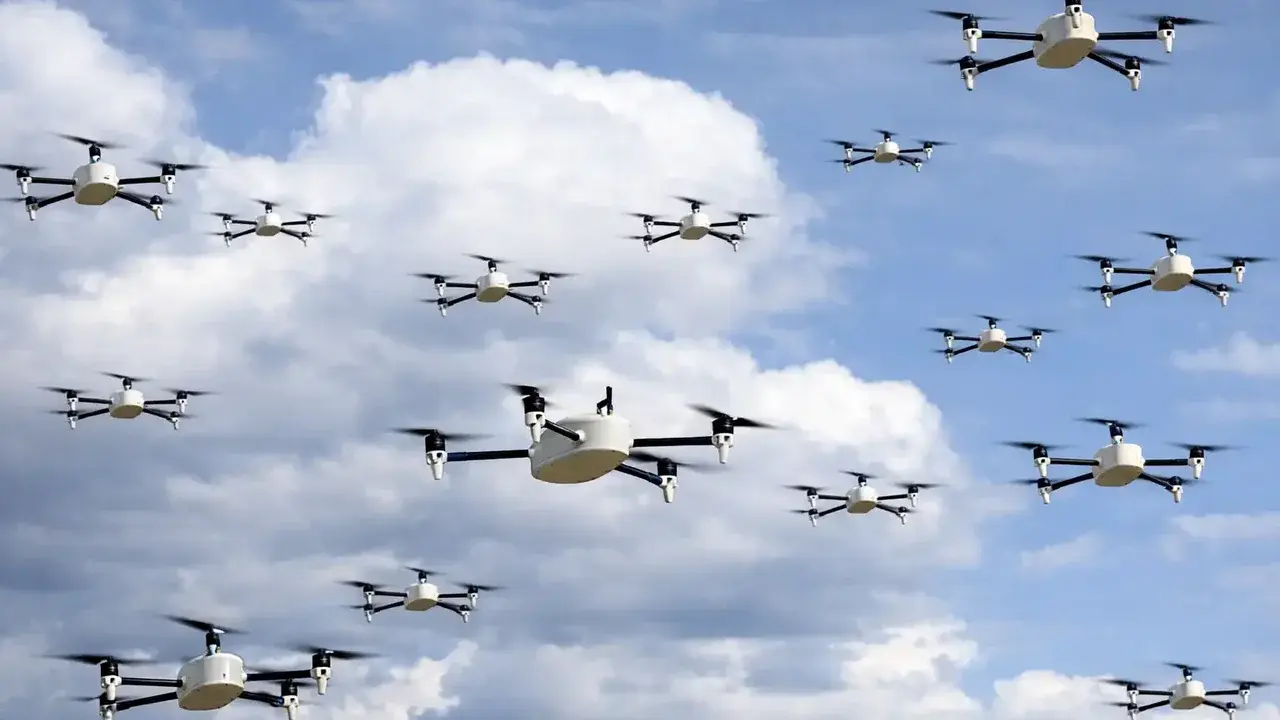
US-based technology firms Reach Power and Gambit have secured funding from the Department of Defense’s Operational Energy Capability Improvement Fund (OECIF) to advance their ambitious SWARM project. By integrating wireless energy transfer with advanced artificial intelligence, the initiative aims to create a drone swarm capable of staying aloft indefinitely without the need for traditional battery swaps or manual landings. This breakthrough technology seeks to overcome the critical limitations of current battery-operated systems, ensuring that drone fleets maintain constant operational coverage for intelligence, surveillance, and reconnaissance missions across diverse and challenging conflict zones.
- The SWARM project utilizes wireless radio frequency energy transfer to eliminate the need for manual battery replacements.
- Gambit provides an autonomous AI system that coordinates real-time battery monitoring and energy management across the drone fleet.
- The Department of Defense supports this initiative to increase the operational effectiveness of Group 1 tactical drones.
Current Battery Limitations Hinder Operational Efficiency
Small, cost-effective Group 1 drones currently dominate modern tactical environments due to their portability. However, these vehicles are typically constrained by a 30-minute flight time per charge, which significantly drops when the systems operate in coordinated swarms. Engineers have long struggled to balance flight endurance with the inherent weight penalties of larger power cells, which often compromise the low-cost and expendable nature of these aerial platforms.
Manual battery management processes currently limit the operational effectiveness of tactical drone units to a mere thirty percent.
The logistics of manual support remain a significant hurdle for field commanders. Operators must physically retrieve and recharge batteries, a task that exposes personnel to unnecessary risk in hostile environments. By shifting toward an automated, wireless charging architecture, the SWARM project removes the human element from the recharge cycle. This transition allows ground units to focus on strategic mission objectives rather than the tedious maintenance of fleet power supplies. 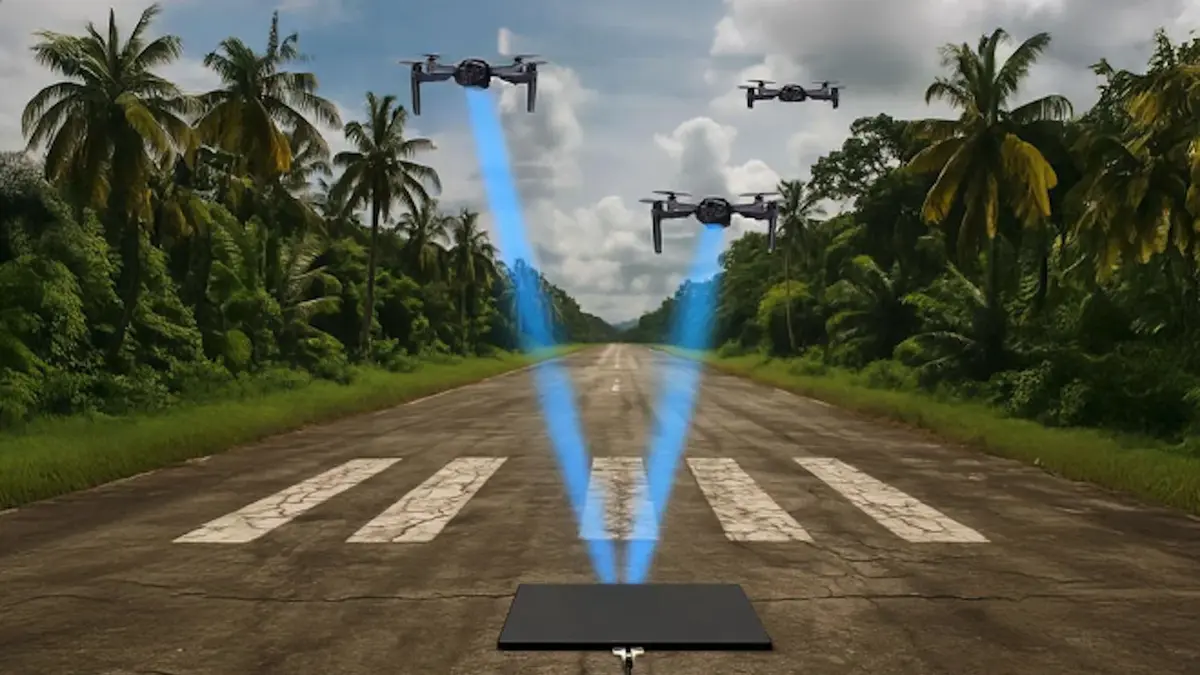
AI Systems Manage Autonomous Energy Distribution
The core innovation lies in the synergy between Reach Power’s energy transmission hardware and Gambit’s sophisticated software. Through this integration, individual drones within the swarm can autonomously identify their energy needs and navigate to specific radio frequency transmission points. The AI monitors real-time battery levels and mission parameters, ensuring that the swarm self-regulates its power consumption without external intervention.
Autonomous energy coordination allows drone swarms to sustain continuous flight without human intervention.
Chris Davlantes, CEO of Reach Power, emphasized that the project fundamentally alters the traditional endurance equation for unmanned systems. By decoupling flight duration from fixed internal battery capacity, the technology unlocks the true potential of autonomous operations. Similarly, Gambit CEO Josh Giegel noted that the primary goal is to reduce the cognitive and physical burden on military operators. When the platform manages its own energy lifecycle, the tactical utility of the fleet increases exponentially.
Strategic Advantages Enhance Future Battlefield Capabilities
The OECIF program views wireless power transfer as a critical priority for future defense modernization. Beyond basic flight, this technology is designed to support border security, aerial defense, and persistent area monitoring. As these systems move from development to deployment, the ability to maintain a persistent presence in the sky is expected to provide significant strategic advantages. The shift toward self-sustaining drone swarms marks a pivotal move toward a more autonomous and efficient future for military aviation.
How do you think the integration of wireless charging technology into drone swarms will redefine the standards of modern aerial reconnaissance and combat; please share your thoughts in the comments section below.
Your comment has been submitted,
it will be published after approval.