
Ferrari Submits Its First Electric Model to Euro NCAP Testing

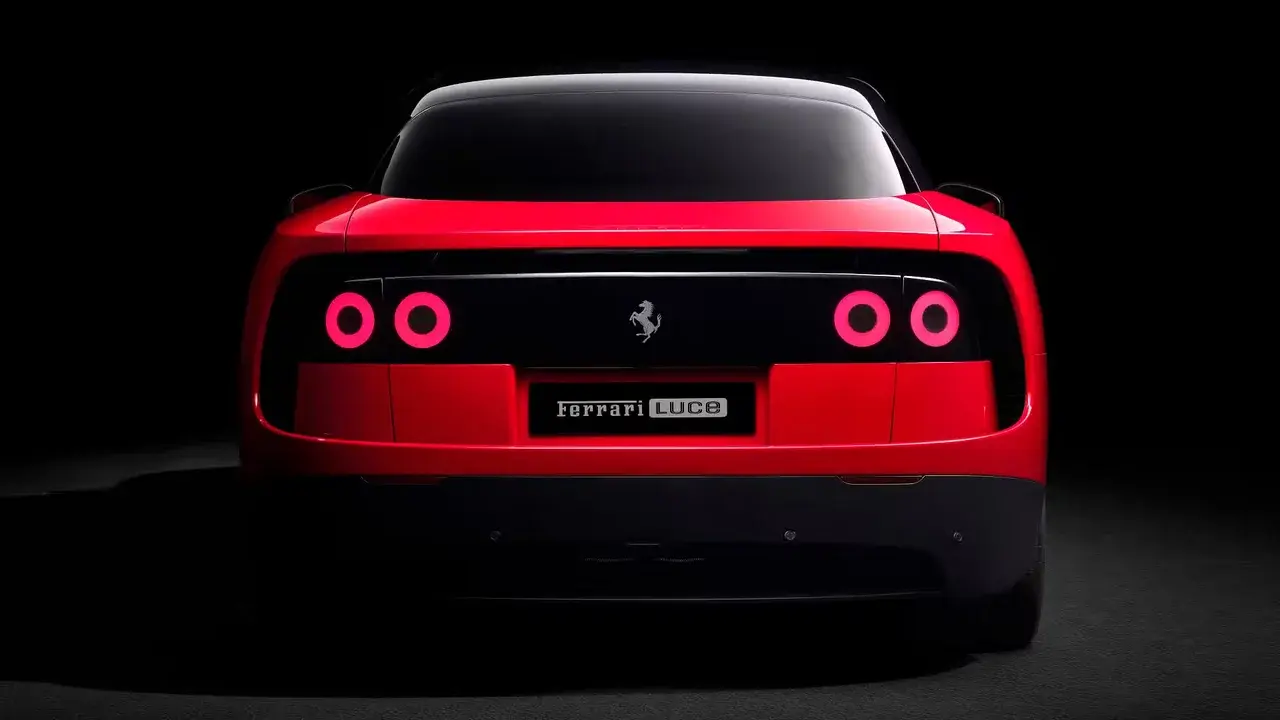
In a historic move that signals a paradigm shift for the Italian luxury manufacturer, Ferrari has officially committed to subjecting its vehicles to rigorous Euro NCAP crash testing. For the first time in its storied history, the automotive icon will allow an independent safety organization to evaluate the structural integrity and occupant protection systems of its cars. This landmark decision centers on the upcoming Luce, the brand’s first-ever electric vehicle, marking the end of Ferrari’s long-standing policy of avoiding independent crash assessments due to high costs and brand positioning concerns. The automaker aims to demonstrate that its transition to electric power does not compromise its commitment to safety.
- Ferrari will undergo Euro NCAP safety testing for the first time in company history with the new Luce electric model.
- The manufacturer is sacrificing four units of the Luce, representing an investment of 2 million euros in crash testing materials.
- The five-seat electric vehicle features integrated Isofix child seat anchors as a core safety priority for families.
- Euro NCAP experts will conduct a detailed examination of the electric battery pack to ensure fire safety during impact.
Ferrari Invests Two Million Euros in Safety Verification
The decision to join the Euro NCAP program comes with a significant financial commitment. To fulfill the testing requirements, Ferrari plans to sacrifice at least four units of the Luce model. With each unit valued at over 500,000 euros, the manufacturer is effectively investing 2 million euros in vehicle assets to provide verified safety data. 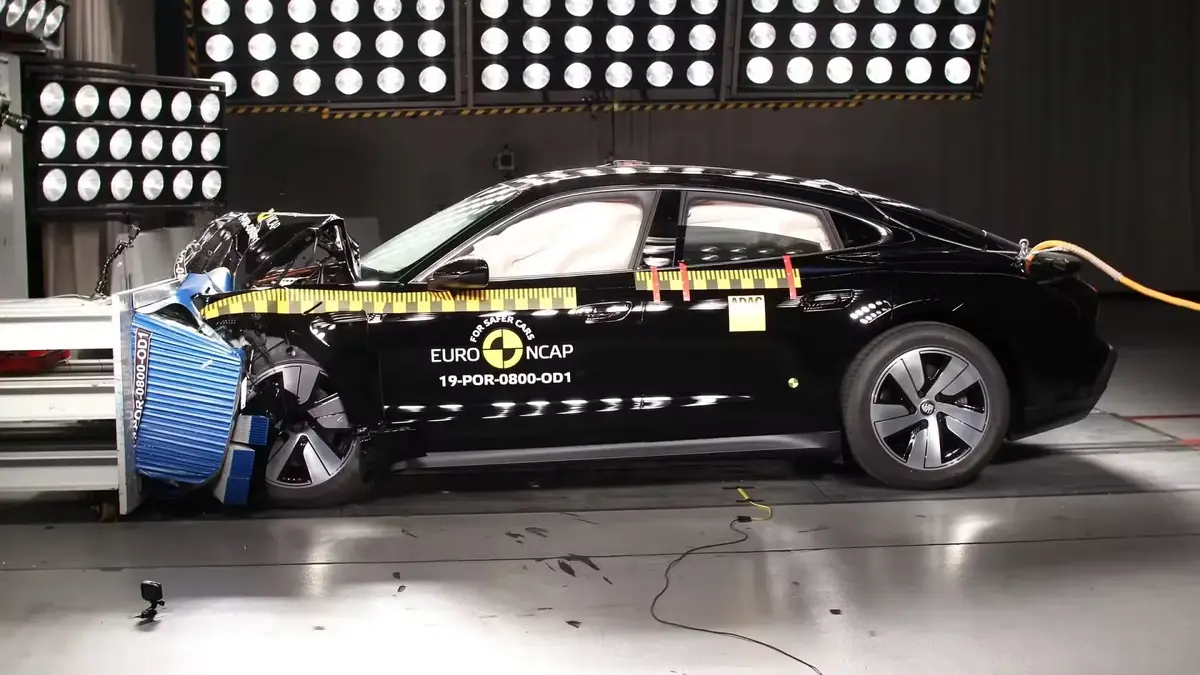
This initiative establishes the Luce as the most expensive vehicle ever subjected to the Euro NCAP testing protocol.
By choosing this path, Ferrari is clearly signaling a new era of transparency and technological rigor. The cost of these vehicles is high, but the brand views this as a necessary step to validate the engineering behind its electric architecture.
Family-Oriented Design Shapes New Safety Priorities
The shift toward rigorous safety testing is largely driven by the specific design philosophy of the Luce. Unlike the brand’s traditional two-door sports cars, the Luce is a five-door, five-seat vehicle tailored for daily family use. 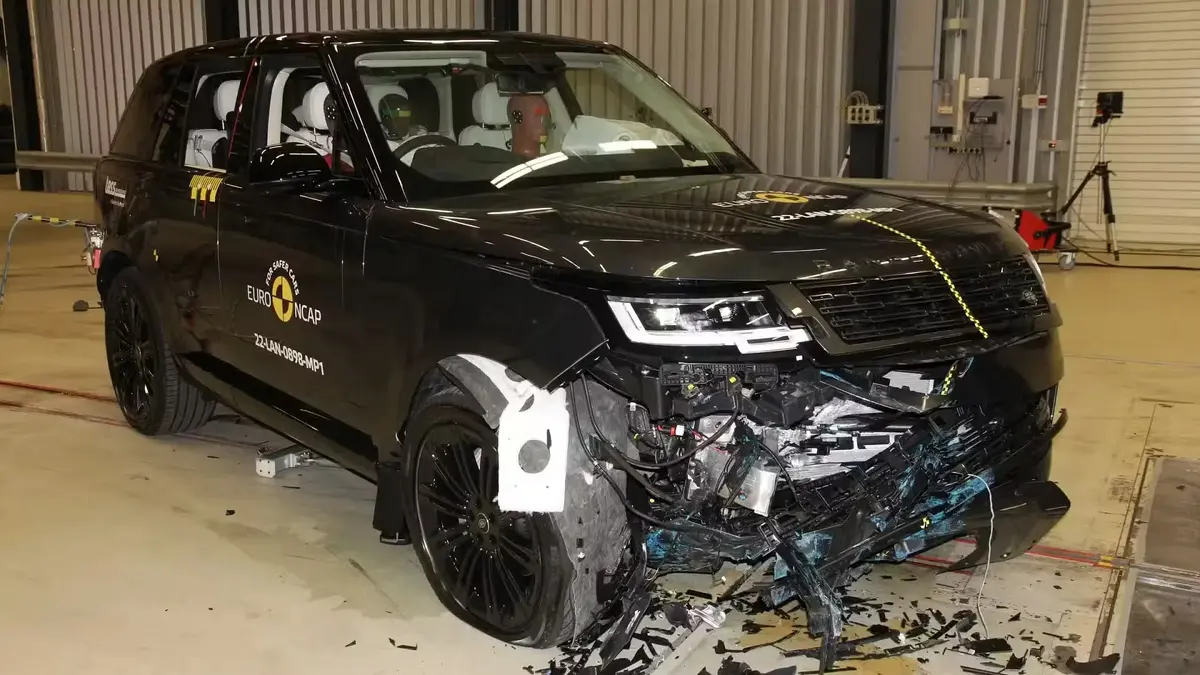
The inclusion of Isofix child seat attachments in the rear seating area highlights the brand’s focus on attracting affluent families who prioritize safety during school runs and daily commutes. This development represents a strategic pivot toward a broader consumer base that demands the highest safety standards alongside luxury performance.
Ferrari is now prioritizing the safety of every passenger as a core component of its luxury identity.
Battery Integrity Becomes the Primary Focus
The Euro NCAP assessment will extend beyond traditional collision physics. Experts will conduct a deep analysis of the Luce’s electric battery pack, which remains the most critical safety element in modern electric vehicles.
The testing will specifically measure the risk of the battery system catching fire during a collision. Ensuring that the high-voltage architecture remains stable is essential for protecting vehicle occupants and ensuring the safety of emergency responders who arrive at the scene of an accident. Ferrari’s willingness to put its battery technology under such intense public scrutiny underscores the brand’s confidence in its engineering capabilities.
We are curious to hear your perspective on this major shift in Ferrari’s safety policy. Do you believe that independent safety ratings will influence your opinion of high-end electric performance vehicles, or does the brand’s prestige speak for itself? Please share your thoughts in the comments section below.
Your comment has been submitted,
it will be published after approval.