
Meta Integrates Controversial Facial Recognition Technology Into Smart Glasses

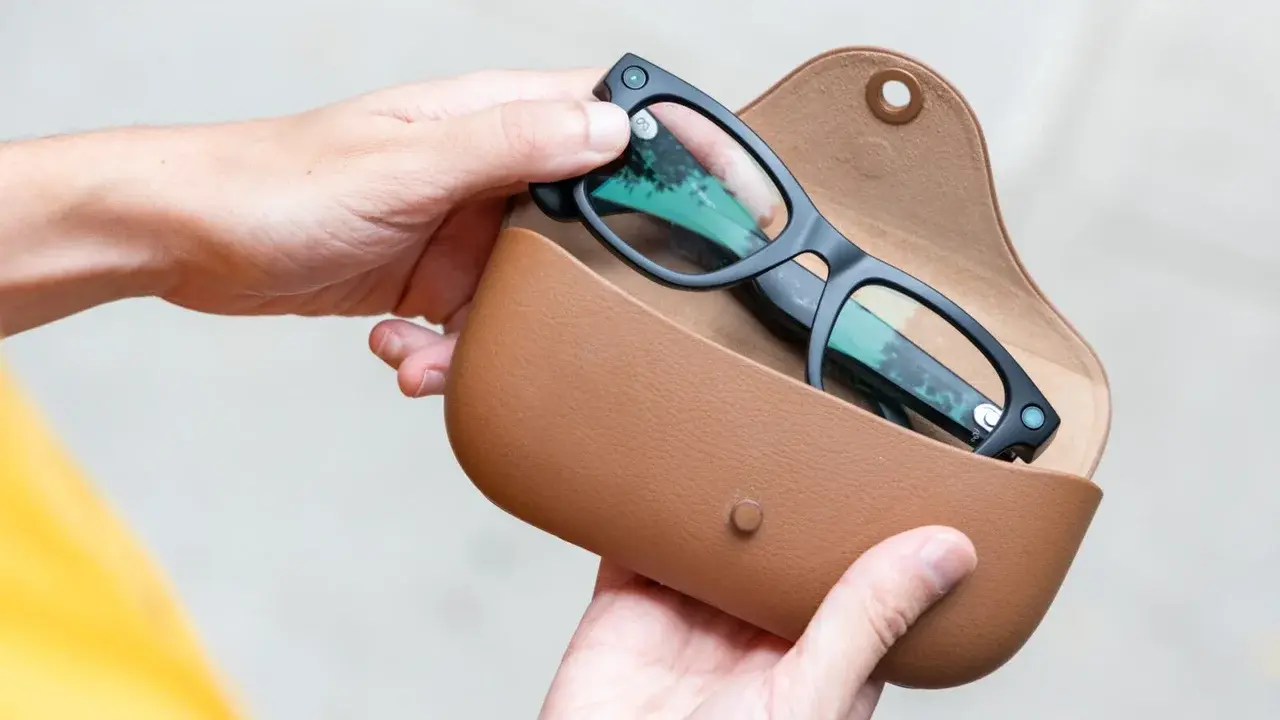
Meta is reportedly advancing its smart glasses project by integrating sophisticated facial recognition technology through a controversial partnership with Rank One, a software provider known for supplying surveillance tools to the United States government and law enforcement agencies. Recent findings from leaked license documents and code analysis of the Meta AI application indicate that the company has been developing features capable of identifying individuals in real-time. This move marks a significant escalation in Meta’s hardware ambitions, raising urgent questions regarding the intersection of military-grade surveillance technology and consumer electronics, as well as the potential implications for individual privacy and public security across global markets.
- Meta utilizes software from Rank One, a firm that develops advanced surveillance and identification tools for federal agencies.
- The integration includes liveness detection capabilities designed to distinguish between real human faces and synthetic representations.
- Internal code within the Meta AI application suggests that passive facial recognition features are nearly ready for potential deployment.
- Privacy advocates and legislators have expressed significant concerns regarding the normalization of surveillance technology in everyday wearable devices.
The collaboration with a firm that develops mile-long identification tools for special operations forces signals a departure from standard consumer tech practices.
Rank One Supplies Advanced Surveillance Software
Rank One has built a reputation by delivering high-stakes identification solutions to institutions such as the U.S. Marshals Service and the Naval Criminal Investigative Service. According to documentation obtained by Wired, the company’s technology is capable of identifying individuals without the need for traditional fingerprinting. Furthermore, their research extends to developing tools for the U.S. Special Operations Command, which reportedly aim to identify subjects from distances as great as one kilometer. By incorporating such powerful software, Meta appears to be pushing the boundaries of what is expected from smart glasses.

Internal Code Reveals Hidden Capabilities
Evidence embedded within the Meta AI application suggests that the company has been actively testing a feature referred to as NameTag. Security researchers who analyzed the application’s passive code discovered routines specifically designed to load Rank One licenses and activate facial recognition modules. In addition to identifying faces, the software includes advanced liveness detection to ensure that the hardware is interacting with a genuine human subject rather than a mask or a high-resolution photograph. Although Meta has remained largely silent regarding its specific roadmap for this technology, the presence of these functional code blocks suggests that the infrastructure for widespread facial recognition is already being implemented.
The convergence of military-grade identification software and wearable technology presents an unprecedented challenge for global data privacy regulations.
Privacy Concerns Remain a Significant Obstacle
The potential launch of a consumer-grade facial recognition device faces intense scrutiny from civil society organizations and lawmakers. Critics argue that Meta’s history with data privacy makes it difficult for the public to trust that such powerful tools will not be used for invasive surveillance. Even if the company maintains that the technology is intended for benign purposes, the architecture of the software suggests a capability that far exceeds common convenience features. As the line between private life and public monitoring continues to blur, the burden of proof falls on Meta to demonstrate that these tools will not infringe upon the fundamental rights of users and the general public alike.
We invite you to join the conversation below by sharing your thoughts on whether you believe the convenience of smart glasses justifies the potential risks to personal privacy and the expansion of surveillance technology in our daily lives.
Your comment has been submitted,
it will be published after approval.