
Skoda Peaq Completes Extensive Global Endurance Testing

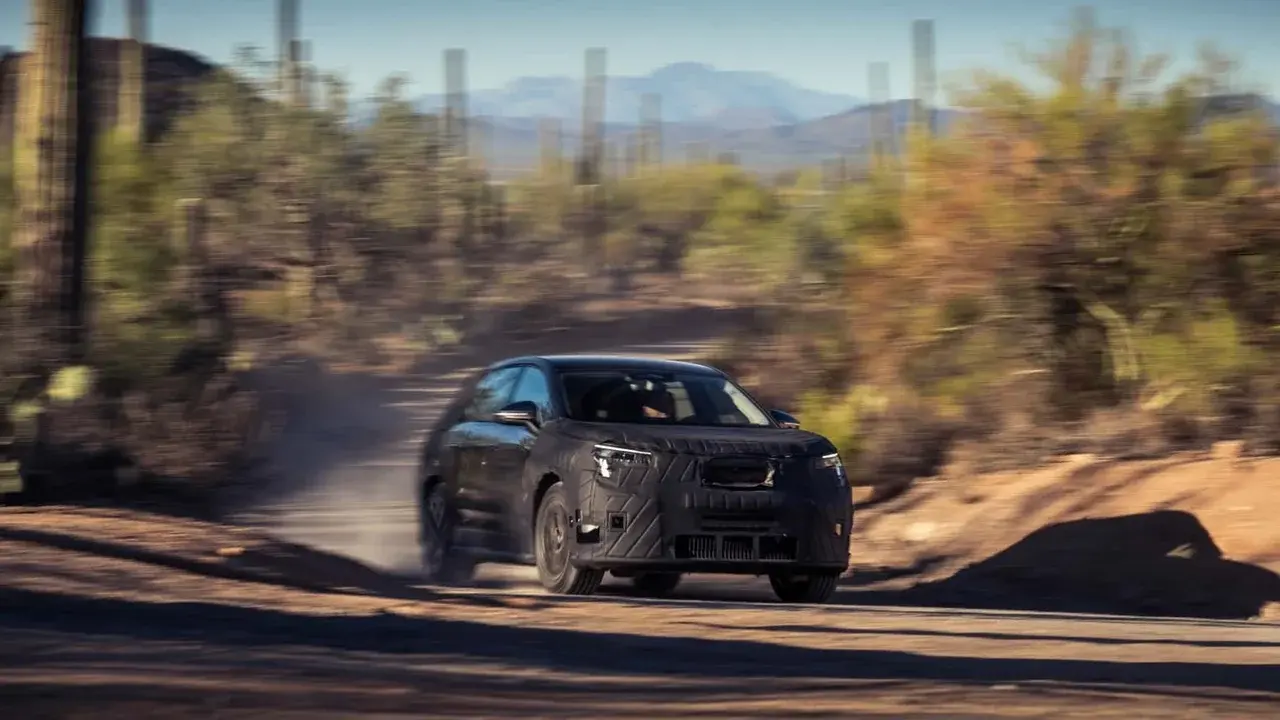
Skoda has officially confirmed that its highly anticipated electric model, the Skoda Peaq, has successfully concluded an exhaustive global testing phase ahead of its world premiere on June 23. To ensure maximum reliability and performance, company engineers pushed prototype vehicles through a rigorous 1.5 million-kilometer testing program spanning three continents. By subjecting the vehicle to extreme climate conditions ranging from the blistering heat of the Arizona desert to the freezing depths of the Arctic Circle, Skoda aimed to validate the durability of the Peaq’s battery technology, chassis integrity, and thermal management systems before its upcoming market release.
- Skoda engineers subjected the Peaq prototypes to over 1.5 million kilometers of real-world testing across three continents.
- The vehicle features a projected driving range exceeding 600 kilometers per single charge.
- Engineers utilized advanced digital simulations to complement physical stress tests conducted in extreme temperatures.
Extreme Climates Challenge Vehicle Components
The testing regimen focused heavily on how the vehicle handles thermal extremes. In the Arizona desert, where temperatures frequently exceed 40 degrees Celsius, the development team analyzed the impact of intense heat on the braking systems, cooling loops, and body panels. Conversely, at locations 200 kilometers north of the Arctic Circle, temperatures plummeted to minus 40 degrees Celsius, allowing experts to refine the electric drivetrain’s efficiency and the vehicle’s cabin heating performance.
The Peaq achieved optimal performance benchmarks through these grueling environmental assessments.
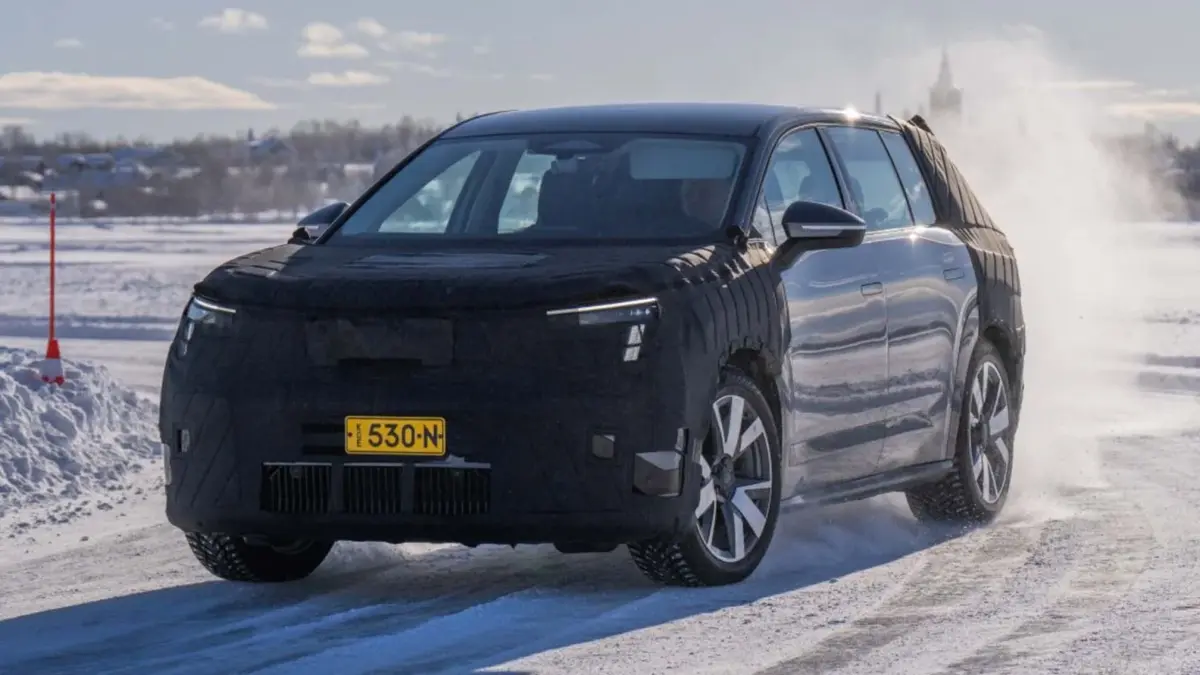
Beyond thermal testing, the vehicle underwent extensive evaluation on icy and snow-covered terrain. These trials were critical for calibrating the traction control and electronic stability systems, ensuring that drivers maintain full control regardless of surface conditions. Additionally, thousands of kilometers were covered on rough, dusty, and gravel-heavy roads to verify the structural integrity of the cabin and the efficacy of interior sound insulation, confirming the vehicle remains comfortable under harsh external conditions.
Digital Simulations Accelerate Development Cycles
Physical testing was only one half of the validation strategy. Skoda integrated high-performance computing to run sophisticated virtual simulations, which allowed engineers to test the Peaq across countless scenarios long before the first physical prototypes were even assembled.
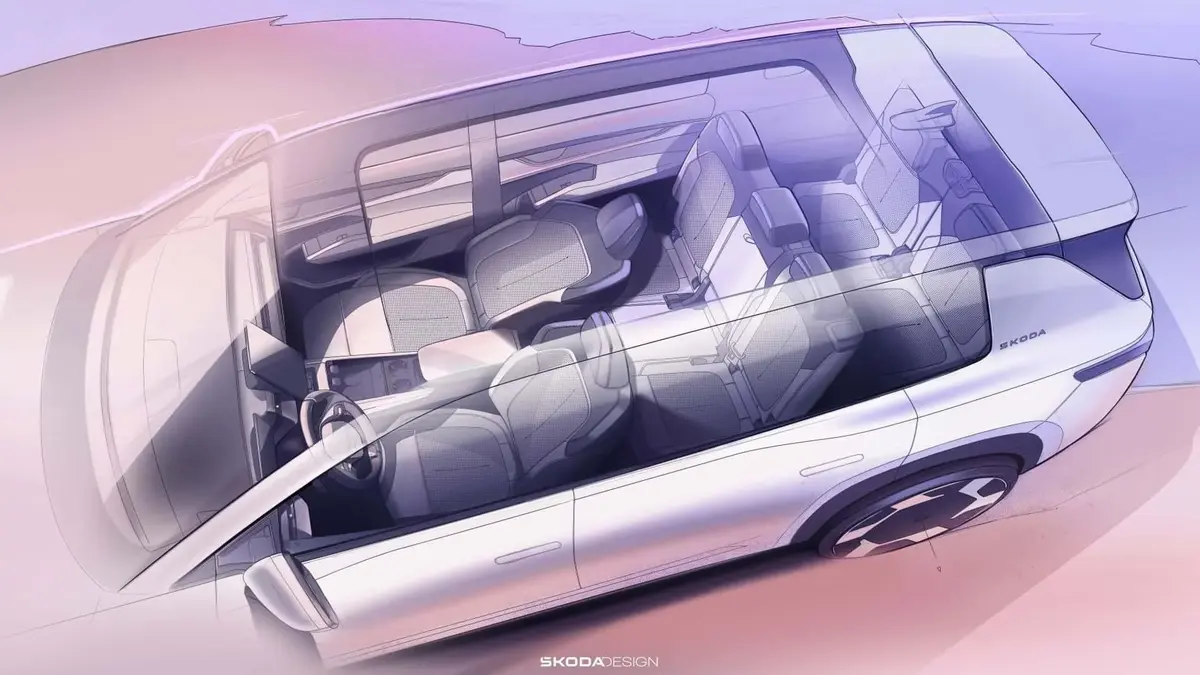
These digital models provided the development team with granular data on how the battery management system would react to various energy demands. By bridging the gap between virtual modeling and real-world results, the company optimized the vehicle’s overall efficiency and safety profile. As the June 23 launch date approaches, industry analysts are closely watching how these rigorous validation efforts will position the Skoda Peaq within the increasingly competitive global electric vehicle market.
We would love to hear your thoughts on these rigorous testing standards; do you believe such extensive development cycles are the key to building consumer trust in the future of electric mobility?
Your comment has been submitted,
it will be published after approval.