
Apple Scraps M6 Pro and Max to Prioritize M7 AI Chips

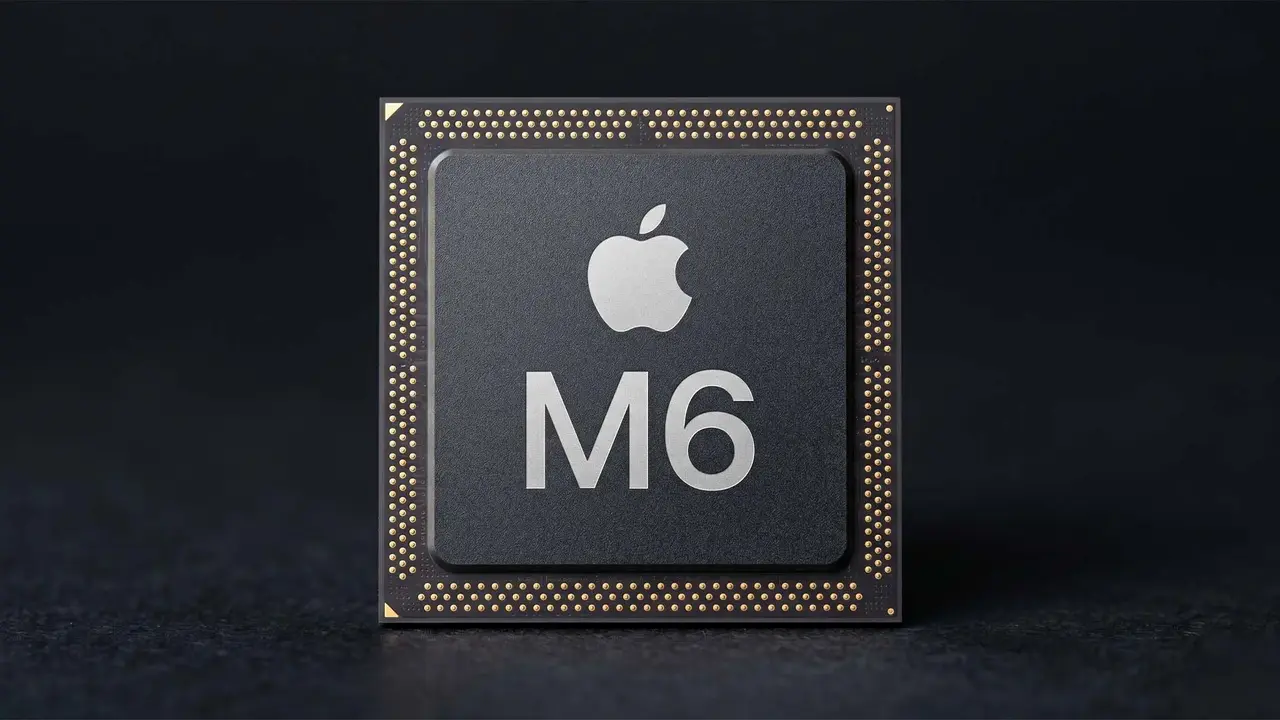
In a major strategic pivot, Apple has decided to cancel the development of the ‘Pro’ and ‘Max’ versions of its upcoming Apple M6 processor family to accelerate its focus on next-generation artificial intelligence. According to industry reports, the tech giant will bypass these high-performance tiers to dedicate its engineering resources entirely to the AI-optimized M7 series. This decision marks a significant departure from the company’s established release cycle maintained since 2020, signaling that Apple is prioritizing its long-term AI hardware roadmap over interim professional-grade hardware updates for 2026.
- Apple will omit the Pro and Max variants from the M6 silicon generation entirely.
- The company intends to shift its high-performance engineering efforts toward the AI-focused M7 architecture.
- Professional users are expected to transition directly from existing hardware to the M7-powered devices scheduled for 2027.
- The base M6 model remains on track for a late 2026 release with significant architectural improvements.
AI Competition Dictates Hardware Strategy
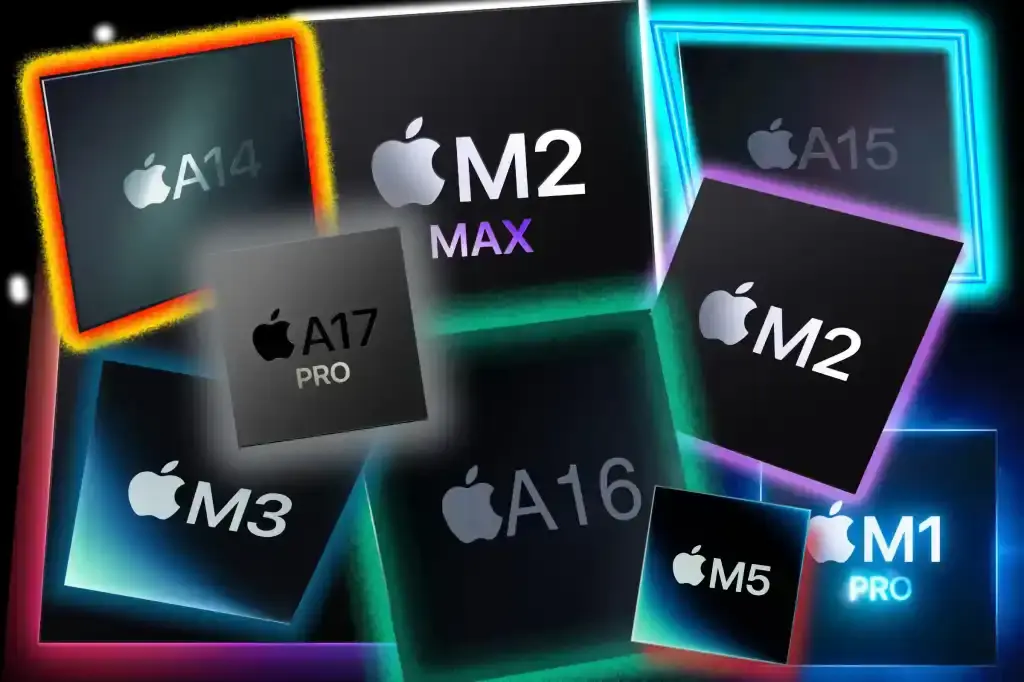
The rapid advancement of artificial intelligence technologies has forced Apple to re-evaluate its traditional hardware lifecycle. Previously, the company introduced base, Pro, and Max chips in sequential order to satisfy different market segments. However, the current competitive landscape demands a more aggressive integration of on-device AI capabilities.
Apple has prioritized competitive AI architecture over maintaining its standard high-end processor refresh cycle.
By canceling the M6 Pro and M6 Max, the company aims to concentrate its research and development on the M7 series. This shift ensures that Apple does not fall behind its competitors in the critical domain of AI-driven computing performance. Consequently, professional Mac users will likely skip an intermediate upgrade cycle, waiting instead for the more advanced, AI-centric capabilities promised by the 2027 M7 Pro and M7 Max processors.
Next-Generation Apple Silicon Promises Performance Gains
Despite the changes to the product roadmap, the base Apple M6 processor is still expected to deliver a substantial performance leap. Built on a refined 2nm manufacturing process, this chip will introduce a 12-core GPU and an upgraded Neural Engine. Analysts predict the architecture will support memory bandwidths reaching 200 GB/s, providing a solid foundation for standard computing tasks.
The upcoming M7 generation will feature a massive 240 GB/s memory bandwidth to support advanced Apple Intelligence.
The long-term roadmap now clarifies that Apple is restructuring its hardware timeline to optimize for future software demands. The company expects to introduce a new Mac Studio equipped with the M5 Ultra chip before the end of the current year. Following this, the standard M6-equipped MacBook Pro and Mac mini models are projected to launch in late 2026. Ultimately, the industry is looking toward the end of 2027, when the M7 generation is slated to arrive as a cornerstone for Apple’s professional computing ecosystem.
How do you feel about Apple skipping the M6 Pro and Max versions to focus on the M7 generation; would you wait for the AI-focused upgrade or upgrade sooner? Share your thoughts in the comments below.
Your comment has been submitted,
it will be published after approval.