
New Hyundai Elantra Debuts With Futuristic Design and Dimensions

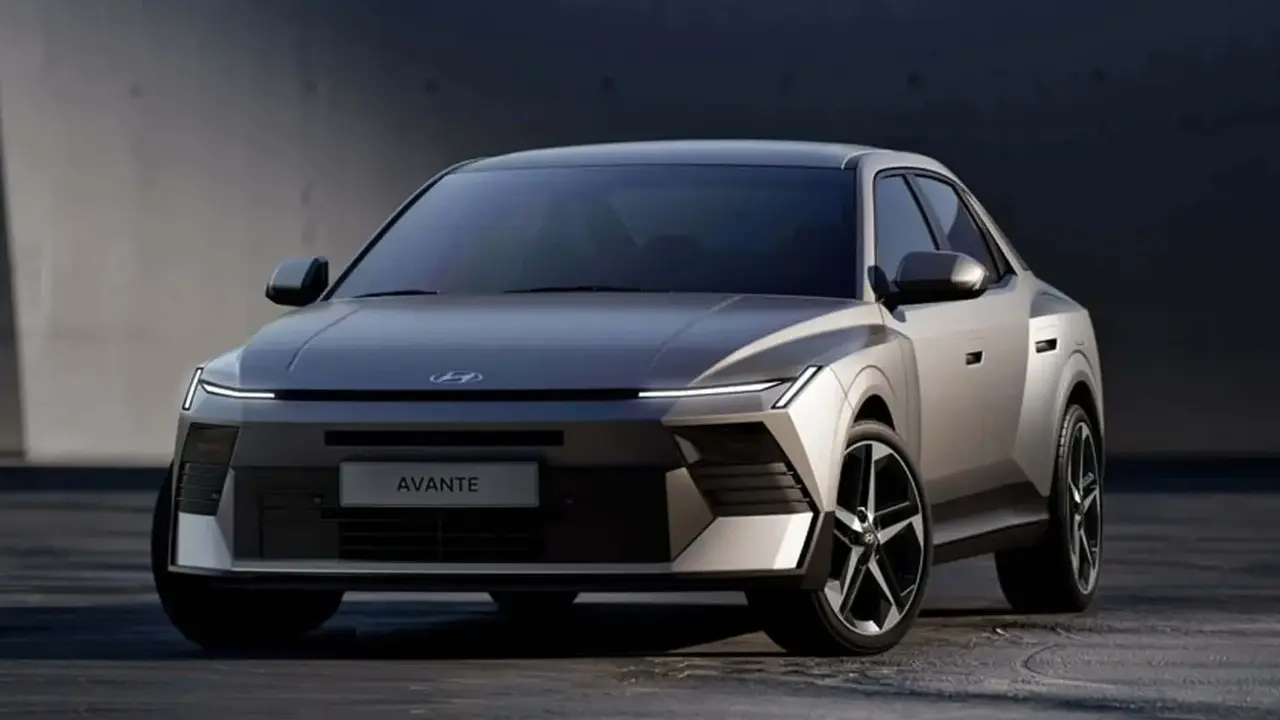
At the Busan Motor Show, the South Korean automotive giant officially unveiled the new Hyundai Elantra, marking a significant departure from its predecessor through a radical aesthetic transformation. Known as the Avante in its domestic market, the sedan features a bold, futuristic design language that signals the brand’s new creative direction. This launch highlights the company’s commitment to evolving its core model lineup to meet modern consumer expectations. Scheduled for an initial release in South Korea later this year, the model is poised to redefine the sedan segment with its blend of advanced technology and increased physical dimensions, signaling a new era for Hyundai’s global sedan strategy.
- The new Hyundai Elantra adopts the Art of Steel design philosophy to achieve a more aggressive and geometric appearance.
- The vehicle measures 55 mm longer and 30 mm wider than the previous generation to provide enhanced interior space.
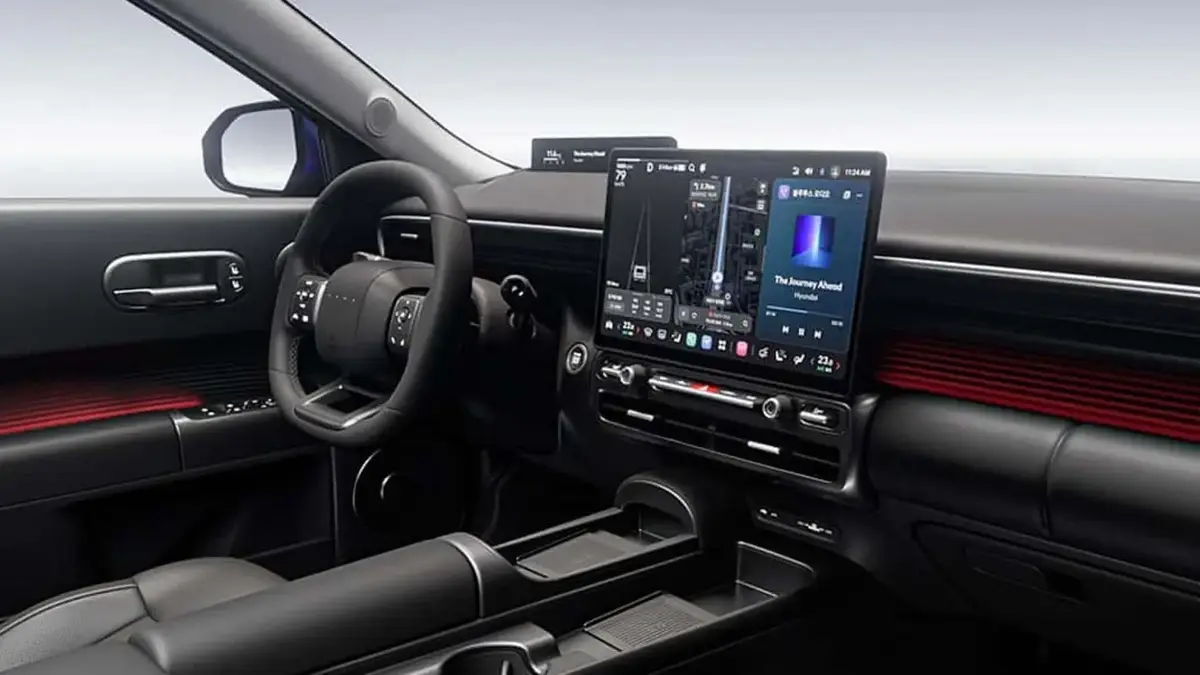
- Hyundai integrates a new Android-based Pleos infotainment interface alongside physical buttons to balance ergonomics and digital convenience.
- The model is expected to enter the Turkish market in the first quarter of 2027 with a fuel-efficient 1.6-liter hybrid engine.
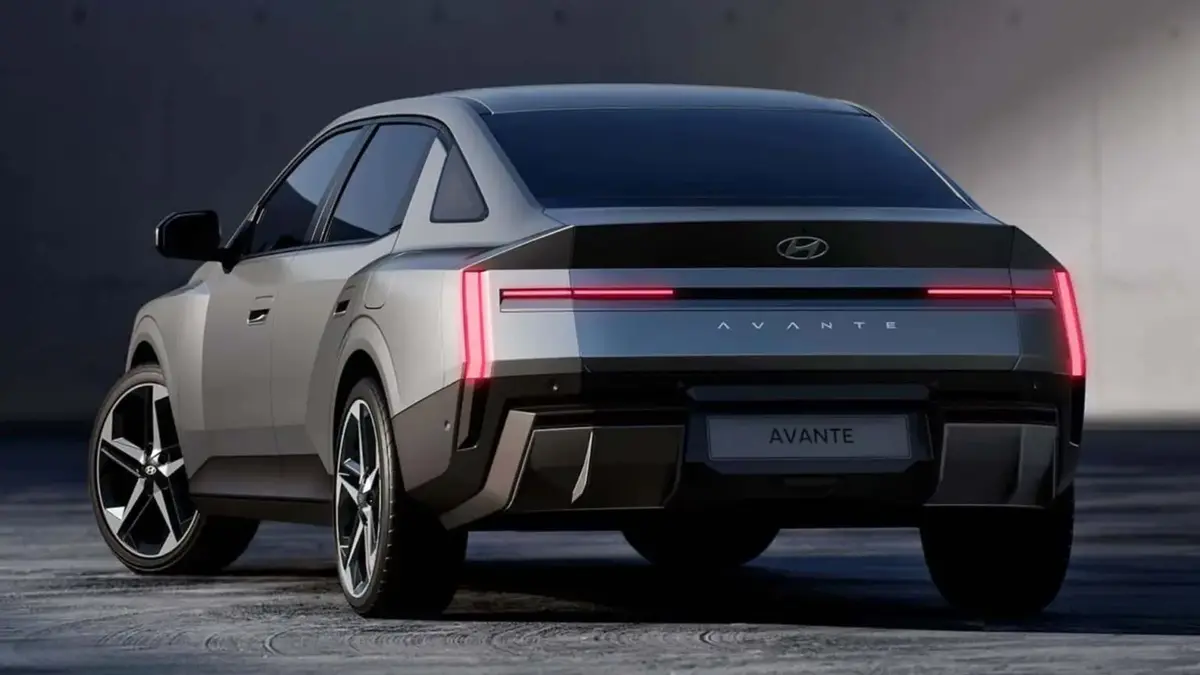
Futuristic Aesthetics Define the Exterior Design
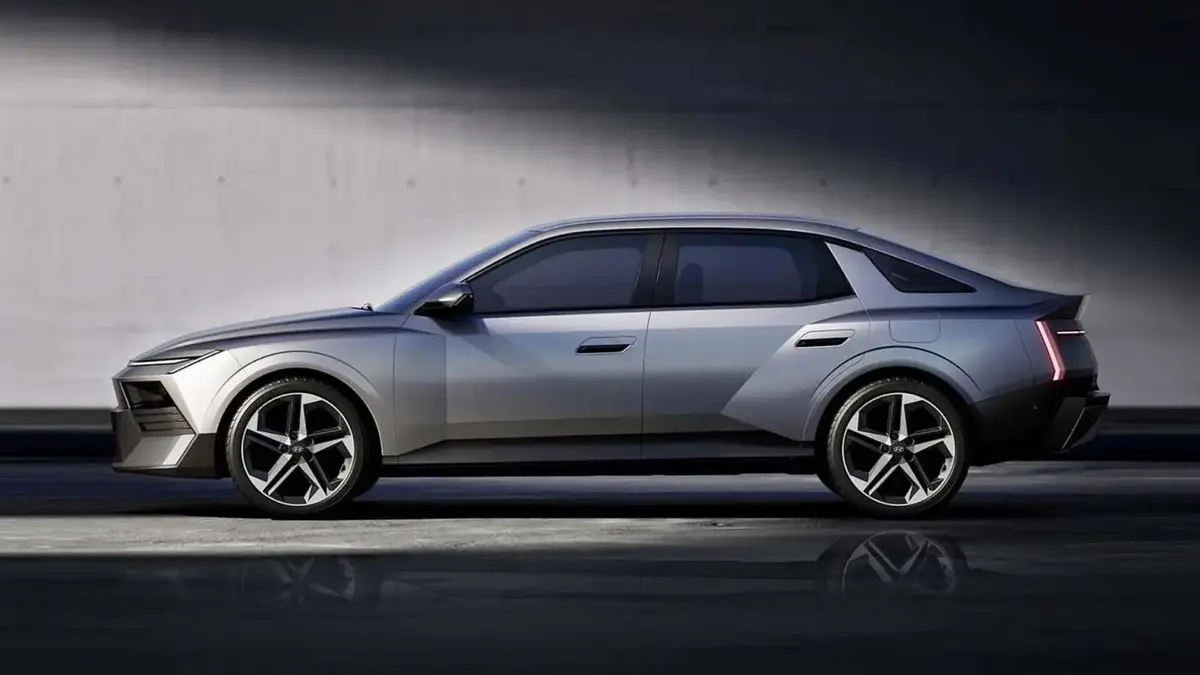
The new Hyundai Elantra marks a definitive break from traditional automotive lines, embracing the company’s Art of Steel design language. By utilizing sharp geometric forms and vertical elements, the designers have created an exterior that resembles a concept vehicle more than a mass-production sedan. This shift is not merely cosmetic; the vehicle has grown significantly in stature, gaining 55 mm in length for a total of 4,765 mm and expanding its width by 30 mm.
These dimensional updates drastically improve both the vehicle’s road presence and the comfort levels for passengers inside the cabin.
Advanced Technology Enhances the Interior Experience
Inside, the cabin reflects the same revolutionary approach applied to the exterior. The dashboard is dominated by two expansive digital displays that manage both vehicle information and infotainment services. Hyundai has opted for the new Android-based Pleos interface to power this digital suite. Recognizing the importance of driver usability, the manufacturer has strategically retained physical buttons, ensuring that the most critical controls remain accessible without forcing the driver to rely solely on touch-sensitive menus.
Global Market Entry Remains a Strategic Goal
Following its South Korean debut in the third quarter of this year, the vehicle will embark on a phased global rollout. International markets, including potential entries into Europe and beyond, are forecasted to see the model arrive by 2027. For the Turkish market, the target date for the launch is currently set for the first quarter of 2027. The decision to bring this vehicle to Turkey will depend on powertrain compatibility with local tax structures and consumer demand for hybrid technology.
The inclusion of a 155-horsepower 1.6-liter hybrid engine makes the sedan a strong candidate for success in the competitive Turkish compact market.
While the 2.0-liter gasoline engine is likely to be excluded due to local tax regulations, the hybrid variant aligns perfectly with current environmental trends and fuel-efficiency needs. This strategic engine choice ensures that the model remains a viable and attractive option for sedan buyers who prioritize both performance and long-term operating costs as the brand looks toward its 2027 expansion.
What are your thoughts on the bold new direction Hyundai has taken with the Elantra’s design, and would you consider choosing the hybrid model for your next vehicle? Share your opinions in the comments section below.
Your comment has been submitted,
it will be published after approval.