
Russian Hackers Behind $2.5 Billion Jaguar Land Rover Cyberattack

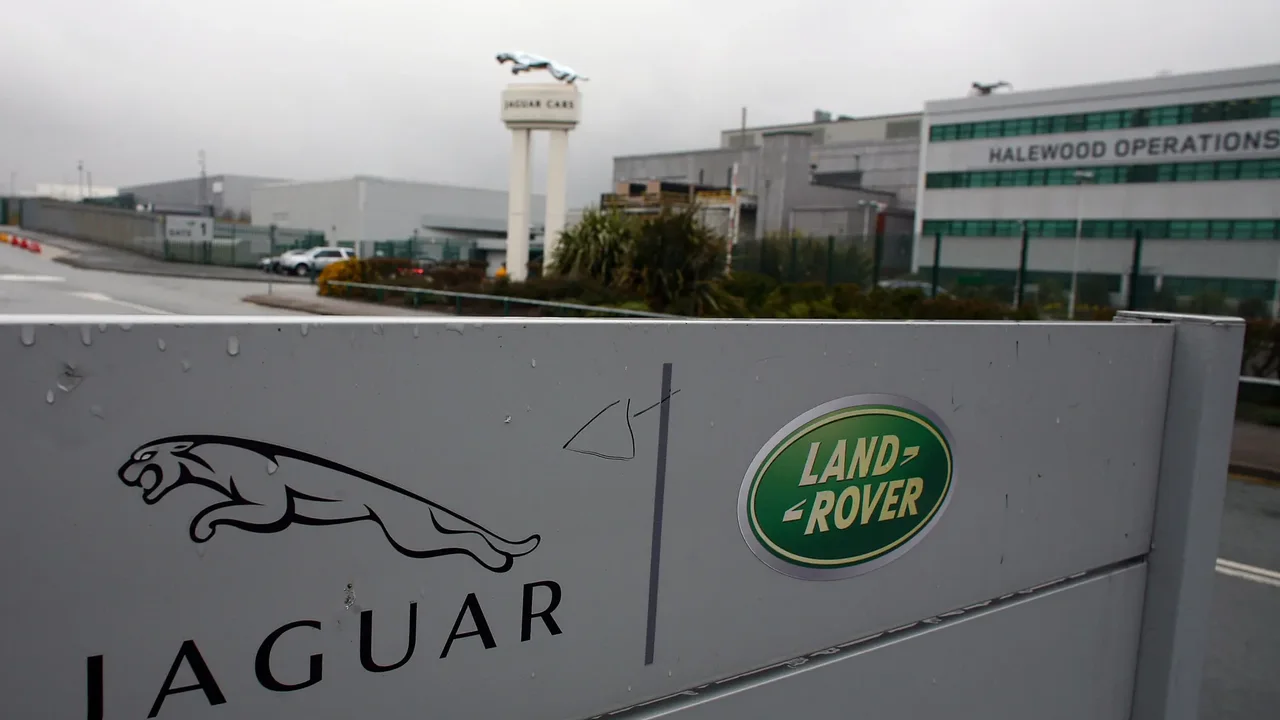
Last year, automotive giant Jaguar Land Rover, one of the United Kingdom’s largest employers, suffered a devastating cyberattack that paralyzed production for several months and inflicted significant damage on the British economy. The incident, which has now been linked to Russian-origin threat actors, caused an estimated $2.5 billion in economic losses. In response to the crisis, the British government intervened with a financial rescue package totaling approximately $2 billion to stabilize the company. This massive security breach highlights the severe vulnerabilities currently faced by global manufacturing sectors against sophisticated, state-linked cyber threats.
- The cyberattack resulted in an estimated $2.5 billion economic loss for the British automotive manufacturer.
- A $2 billion government rescue package was authorized to mitigate the financial fallout for Jaguar Land Rover.
- Investigations confirmed that Russian hackers were responsible for the intrusion into the company’s internal systems.
- Technical analysis revealed a secondary breach by an independent hacker known as Rey during the same period.
Russian Hackers are Identified as the Primary Threat
Months of speculation regarding the source of the breach have finally concluded following reports from The New York Times. Investigative sources indicate that the hackers responsible for infiltrating Jaguar Land Rover’s infrastructure originated from Russia. While it remains unclear whether these actors operated directly under the instruction of the Vladimir Putin administration or acted as independent criminals with tacit government approval, the impact was undeniable. Microsoft reportedly provided critical intelligence regarding the group to the company before the attack reached its peak.
The sheer scale of the disruption forced a total halt in manufacturing operations across multiple facilities.
Global Authorities are Conducting Extensive Investigations
The severity of the incident necessitated a multi-agency response, involving the FBI, the UK’s National Crime Agency, and the National Cyber Security Centre. Technical assistance was provided by elite firms such as Mandiant, a subsidiary of Google, and Palo Alto Networks. These organizations worked collaboratively to map the intrusion and understand the methods used by the assailants. Their findings underscore the complexity of modern corporate espionage and the difficulty of defending against highly coordinated cyber campaigns.
Secondary Breaches are Discovered by Investigators
In a rare and concerning development, forensics experts discovered that the Russian group was not the only entity to compromise the network. Investigations revealed that a Jordanian hacker operating under the alias “Rey” had also gained unauthorized access to the company’s systems during the same timeframe. This revelation suggests that the company was facing a simultaneous, multi-layered cyber security crisis that exploited separate vulnerabilities in their digital architecture.
This multi-layered attack proves that global corporations are often targeted by multiple threat actors at once.
As the automotive industry becomes increasingly digitized, the risk of such catastrophic breaches grows exponentially. The situation at Jaguar Land Rover serves as a sobering reminder of the critical need for robust, multi-faceted cybersecurity defenses that can withstand both state-sponsored and independent criminal efforts. The industry must now grapple with the reality that a single security oversight can lead to billions in damages and threaten national industrial stability.
Given the growing threat of cyber warfare against major manufacturing firms, what measures do you believe companies should prioritize to protect their supply chains from these types of sophisticated attacks? Share your insights in the comments section below.
Your comment has been submitted,
it will be published after approval.