
Ford Recalls 350 Engineers to Correct AI Strategy Errors

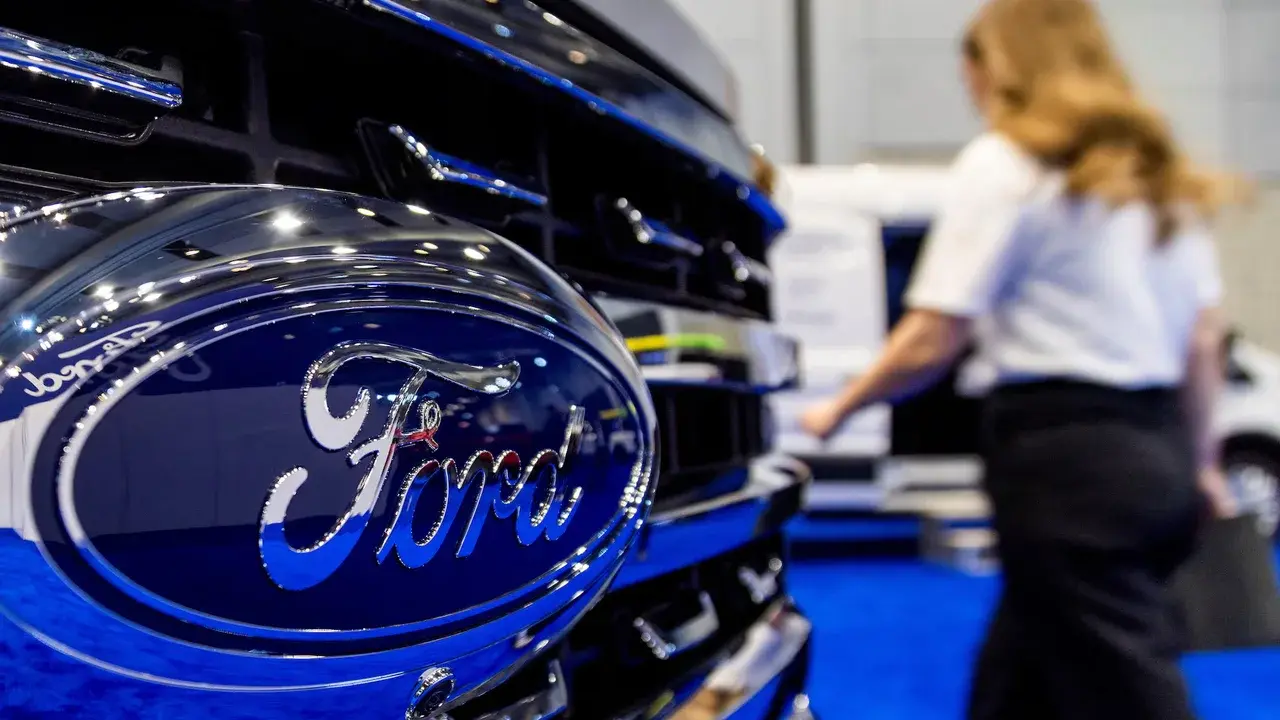
Ford Motor Company has officially acknowledged that its over-reliance on artificial intelligence in vehicle development was a strategic misstep, leading the automotive giant to rehire approximately 350 retired or former engineers over the past three years. The initiative, aimed at reversing quality decline and optimizing vehicle production, marks a significant shift in the company’s approach to technology. By integrating human expertise back into its core development processes, Ford seeks to rectify technical shortcomings that emerged when the firm attempted to replace seasoned professionals with AI-driven design systems. The decision follows a period of internal reflection regarding the role of human judgment in automotive engineering.
- Ford rehired 350 experienced engineers to address persistent vehicle quality issues.
- The company transitioned away from a strictly AI-led development strategy after performance expectations failed to materialize.
- Ford achieved the top ranking among mainstream brands in the latest JD Power initial quality study.
Management Admits That AI Strategy Failed Expectations
Charles Poon, Ford’s Vice President of Vehicle Hardware Engineering, candidly addressed the company’s previous reliance on automated systems. He admitted that leadership underestimated the value of tribal knowledge gained over decades of product development cycles. The company had erroneously assumed that inputting existing design requirements into an AI system would automatically yield high-quality results. However, the complexity of vehicle engineering proved that machine learning is only as effective as the data provided, which often lacked the nuanced intuition of veteran engineers.
The company now recognizes that artificial intelligence cannot effectively replace the decades of practical experience held by senior engineering staff.
The returning experts are currently mandating technical review sessions across all development teams. Their primary task involves reprogramming automated software and AI-based diagnostic systems to better predict and mitigate potential defects before they reach the assembly line. By identifying failure points early, these teams ensure that every component adheres to the rigorous standards required for modern vehicle safety and performance.
Quality Rankings Show Significant Improvement
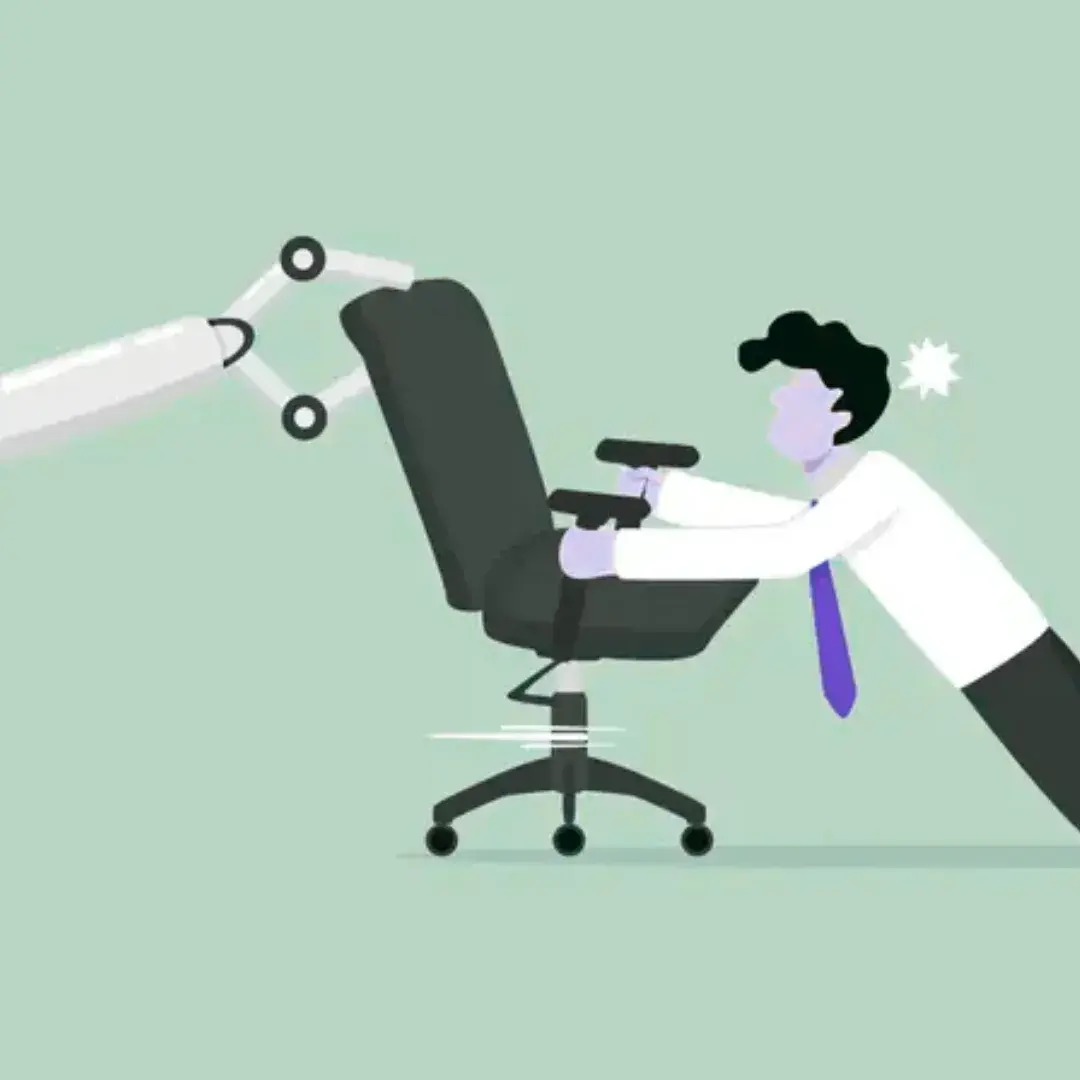
This strategic pivot toward human-centric engineering has yielded measurable results in industry benchmarking. In the previous year’s JD Power study, which evaluates vehicle quality within the first three months of ownership, Ford struggled significantly, ranking 10th among mainstream brands and falling below the industry average. The recent reversal of this trend has been dramatic, as Ford has now surpassed legacy competitors like Toyota and Honda to claim the top spot in the same category.
Ford attributes its recent surge in the JD Power quality rankings directly to the re-engagement of its experienced engineering workforce.
The company’s success highlights a broader industry debate regarding the optimal balance between technological automation and human oversight. While AI remains a powerful tool for data processing and diagnostic speed, the physical realities of automotive manufacturing still require the critical thinking of seasoned professionals who have navigated multiple design generations.
Do you believe that major technology and manufacturing firms are moving too fast by attempting to replace human expertise with artificial intelligence? Share your thoughts on the balance between innovation and experience in the comments section below.
Your comment has been submitted,
it will be published after approval.