
BMW M1 Revival Gains Traction Among Top Executives

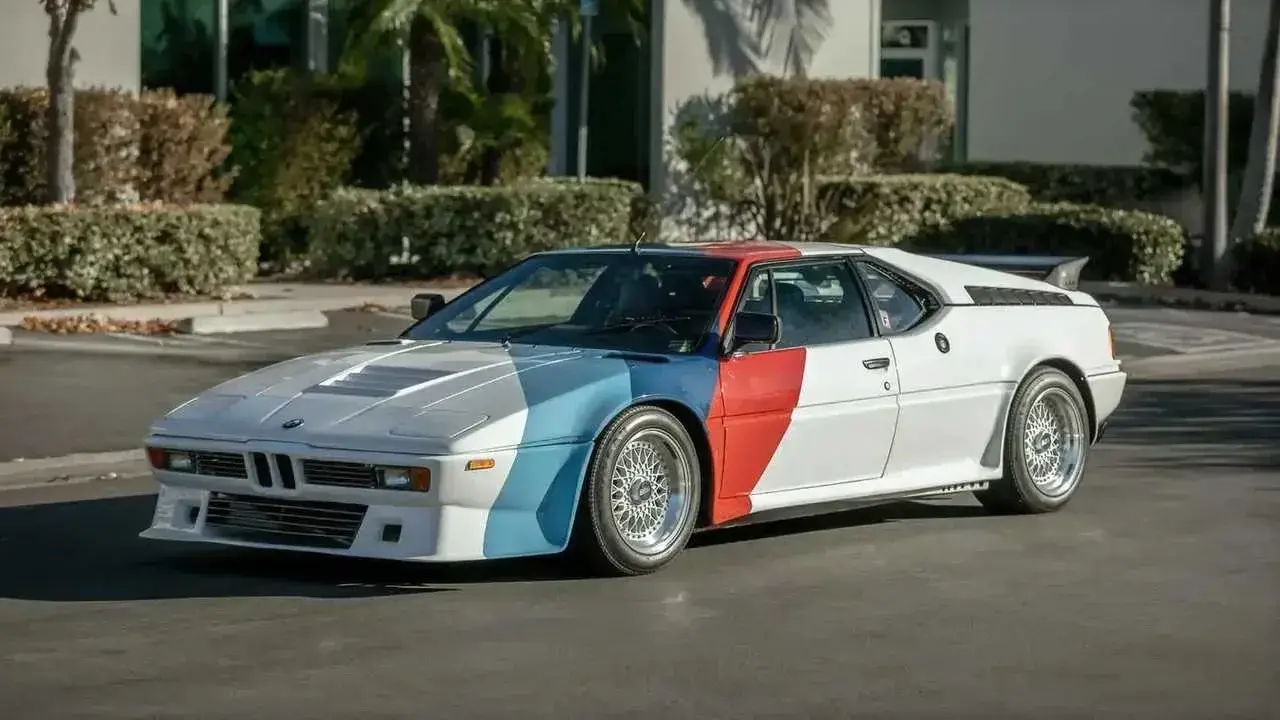
During recent discussions at the Le Mans race weekend, BMW M CEO Frank van Meel and Head of Design Oliver Heilmer reignited speculation regarding a potential successor to the iconic BMW M1. While no official production timeline or technical specifications have been confirmed, the public interest expressed by these two pivotal figures suggests that the German automaker is actively revisiting the prospect of a mid-engine supercar. This project, which has long existed as a dream within the M division, appears to be gaining momentum as the brand explores the future of high-performance vehicles through the lens of its Neue Klasse design language.
- BMW M executives are publicly signaling interest in reviving the M1 model for the modern era.
- The potential project remains in the conceptual stage with no confirmed production or technical specifications.
- Design leadership confirms the M1 remains a top priority if given unlimited development freedom.
The possibility of a new M1 represents the most significant shift in BMW’s performance strategy in over a decade.
Executives Express Strong Desire for a New M1
The enthusiasm for a new BMW M1 is not merely speculative but stems from the highest levels of the company. Frank van Meel has explicitly noted his personal interest in seeing the M1 nameplate return to the road. Complementing this, Oliver Heilmer, the Head of Design, stated that if he were granted complete creative freedom and a limitless budget, the development of a modern M1 would be his primary goal. 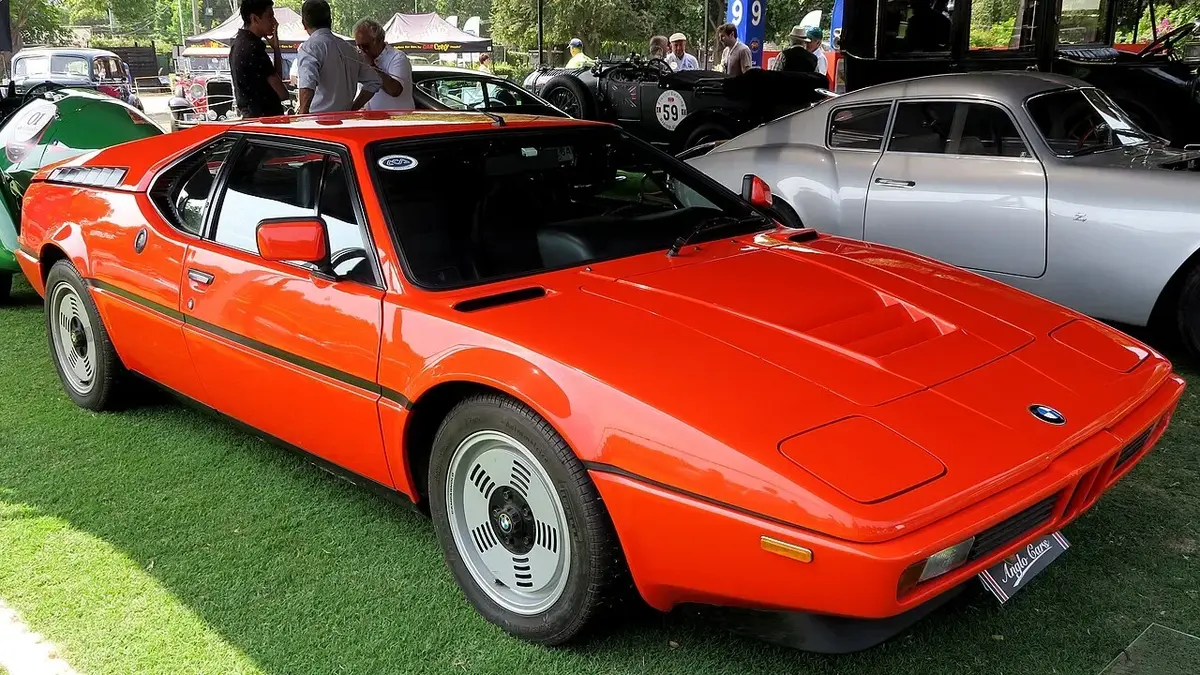
These sentiments were shared while the leadership team was evaluating the progress of the BMW M Concept Neue Klasse. Although the primary focus remains on this upcoming electric platform, the conversation surrounding the M1 indicates that the company is keeping the door open for a halo vehicle that would sit at the pinnacle of the current M product lineup.
Historical Significance Shapes Future Expectations
The original BMW M1, produced between 1978 and 1981, remains a cornerstone of the brand’s heritage as the company’s only mid-engine supercar to reach production. Equipped with a 3.5-liter inline-six engine, the E26 model set a standard for performance that the brand has yet to replicate in a similar configuration. Despite the successful introduction of high-performance models like the M3, M5, and XM, a true successor to the mid-engine layout has remained absent, with only concepts like the M1 Homage and Vision M Next filling the void over the years.
Engineering a modern M1 requires balancing historical legacy with strict contemporary emission regulations.
Technical Challenges Influence Potential Development
Should the project move forward, the powertrain configuration remains a subject of intense debate. Potential paths include a fully electric setup, a hybrid system, or even a combustion-assisted platform. Industry experts speculate that the current S58 inline-six engine could serve as a foundation for a hybrid variant, though no official confirmation exists. Furthermore, any new model would likely integrate the aerodynamic advancements and track-focused technology debuted in the Neue Klasse concept. The final decision will depend heavily on market feasibility, cost-benefit analysis, and the evolving global regulatory landscape for high-performance automobiles.
We are eager to hear your thoughts on this potential return; do you believe BMW should prioritize a modern M1 revival, and what kind of powertrain would you expect to see in such a legendary machine? Share your comments below.
Your comment has been submitted,
it will be published after approval.